


Referenced in this article
Key Takeaways
- Alcohol withdrawal is one of the only common substance withdrawal syndromes that can be directly fatal — through seizure-induced respiratory arrest, cardiac arrhythmia during DTs, or hyperthermia.
- Symptoms begin within 6 hours of the last drink and progress through predictable phases: autonomic instability (0–6 hrs), hallucinosis risk (6–24 hrs), peak seizure risk (12–48 hrs), and DT onset (24–72 hrs).
- Delirium tremens occurs in 3–5% of severe alcohol withdrawal cases; its defining features — global confusion, autonomic hyperactivity, and reality-indistinguishable hallucinations — require ICU-level medical management.
- The CIWA-Ar scale is the standard clinical tool for assessing withdrawal severity and guiding benzodiazepine dosing; scores above 8 consistently predict the need for pharmacological management.
- Completing medical alcohol detox treats physiological dependence — not alcohol use disorder. Transitioning directly from detox to PHP, IOP, or structured outpatient treatment dramatically improves 12-month sobriety outcomes.
What Is Alcohol Withdrawal and Why Is It Medically Dangerous?
Alcohol withdrawal is medically dangerous because chronic heavy alcohol use causes the brain to physiologically adapt to the constant presence of ethanol — and when alcohol is removed, those adaptations create a neurological excitatory crisis. The mechanism involves two systems: alcohol enhances gamma-aminobutyric acid (GABA-A) receptor activity — the brain's primary inhibitory system — causing the brain to downregulate GABA receptors over time to maintain equilibrium. Simultaneously, alcohol suppresses N-methyl-D-aspartate (NMDA) glutamate receptors — the primary excitatory system — causing the brain to upregulate glutamate activity. When alcohol is removed abruptly, GABA inhibition decreases while glutamate excitation remains elevated, creating an excitatory-inhibitory imbalance that drives the hyperexcitability of alcohol withdrawal: tremors, seizures, and delirium.
The clinical difference between alcohol withdrawal and most other substance withdrawal syndromes is direct mortality risk. Opioid withdrawal, while profoundly uncomfortable, is rarely directly fatal in otherwise healthy adults. Alcohol withdrawal can directly cause death through withdrawal seizure-induced respiratory arrest, cardiac arrhythmia during delirium tremens, or hyperthermia. The American Society of Addiction Medicine (ASAM) classifies moderate and severe alcohol withdrawal as medical emergencies requiring clinical intervention before behavioral treatment can begin.
The following 3 factors determine whether alcohol withdrawal becomes medically severe:
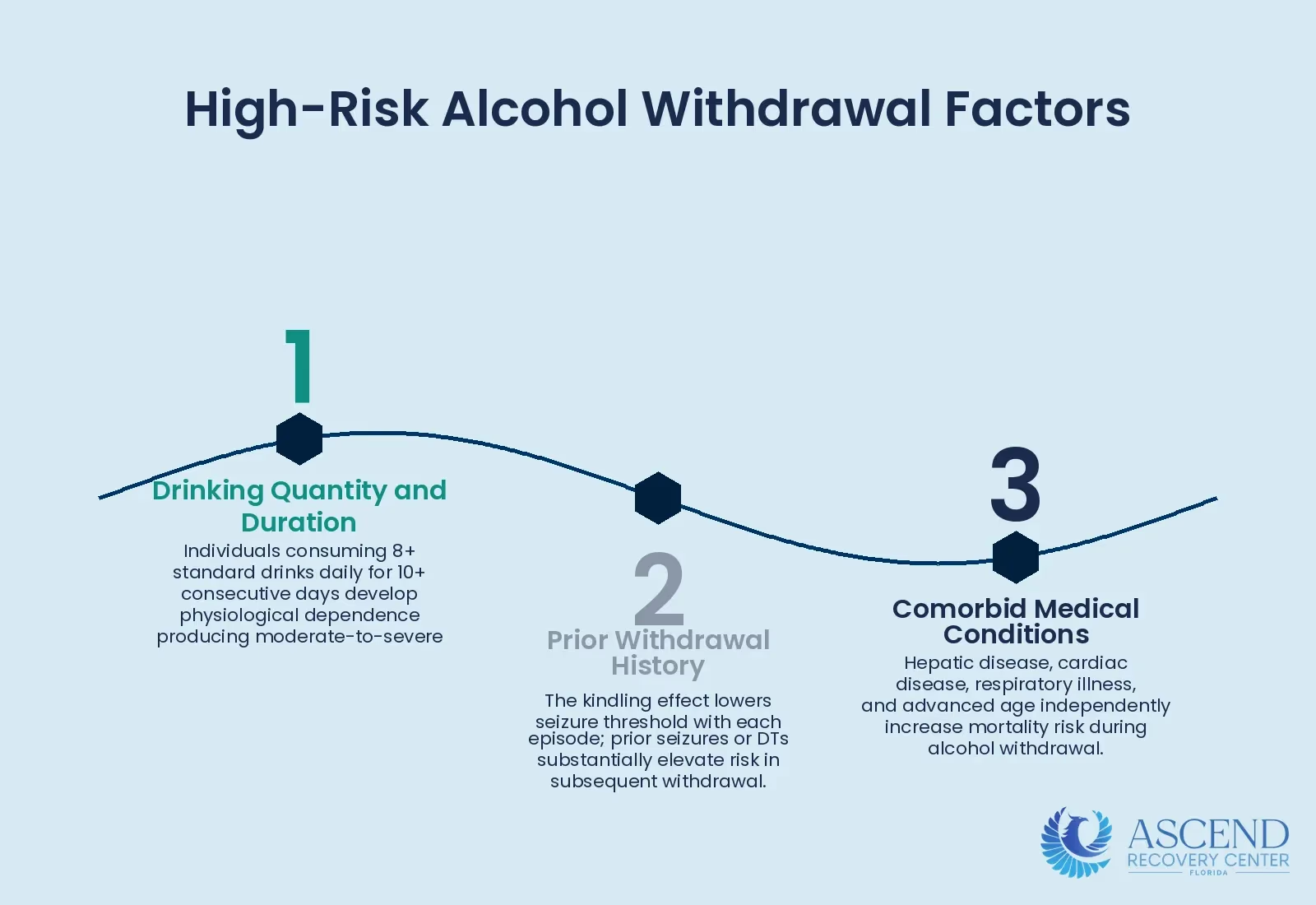
- Duration and quantity of alcohol use: individuals who drink 8+ standard drinks per day for more than 10 consecutive days develop physiological dependence sufficient to produce moderate-to-severe withdrawal; a standard drink is 14g of pure ethanol (12 oz beer, 5 oz wine, or 1.5 oz spirits)
- Prior withdrawal history: the kindling effect — in which repeated withdrawal episodes progressively lower the seizure threshold — is the most reliable predictor of severe withdrawal; individuals with prior withdrawal seizures or DTs face substantially elevated risk in subsequent withdrawal episodes
- Comorbid medical conditions: hepatic disease (which impairs benzodiazepine metabolism), cardiac disease, respiratory illness, and advanced age all independently increase mortality risk during alcohol withdrawal
Because alcohol withdrawal is a time-dependent syndrome, clinicians track these danger signs against a fixed clock — the alcohol withdrawal timeline determines when seizures, hallucinosis, and delirium tremens are most likely to appear.

CIWA-Ar Withdrawal Severity Categories
Tremors, anxiety, mild diaphoresis — outpatient monitoring appropriate in low-risk patients with close follow-up
Autonomic instability, elevated heart rate and BP — supervised medical detox with oral benzodiazepines required
High seizure and DT risk — inpatient hospitalization with IV benzodiazepines and continuous vital sign monitoring
ICU-level care required — DT protocol, IV benzodiazepines, cardiac monitoring, electrolyte management, and cooling measures

 FL DCF LicensedFARR Certified
What Are the Symptoms of Alcohol Withdrawal by Timeline?
Alcohol withdrawal symptoms begin within 6 hours of the last drink in physiologically dependent individuals and progress through predictable phases over 4–7 days, with a minority of cases requiring 10+ days for full resolution of acute symptoms. The following are the primary symptom categories assessed in clinical withdrawal management:
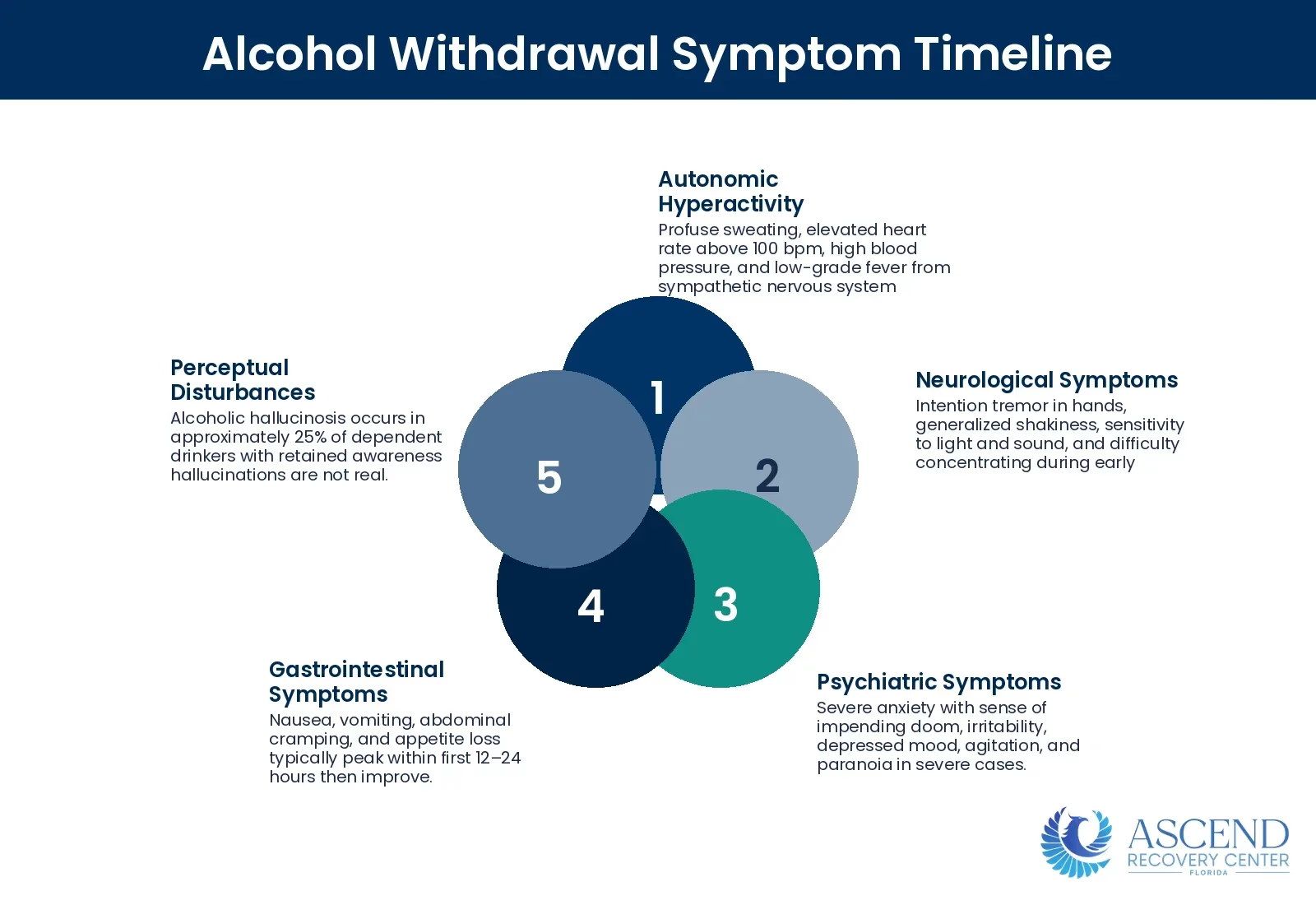
- Autonomic hyperactivity: diaphoresis (profuse sweating), elevated heart rate (tachycardia >100 bpm), elevated blood pressure (systolic >150 mmHg), low-grade fever — these reflect sympathetic nervous system hyperactivation from glutamate excitotoxicity
- Neurological symptoms: intention tremor (most prominent in the hands), generalized shakiness, sensitivity to light and sound, concentration difficulty, vivid disturbing dreams
- Psychiatric symptoms: severe anxiety (often described as a sense of impending doom), irritability, depressed mood, agitation, and in severe cases, paranoia and perceptual disturbances
- Gastrointestinal symptoms: nausea, vomiting, abdominal cramping, loss of appetite — gastrointestinal symptoms typically peak within the first 12–24 hours and improve before neurological symptoms resolve
- Perceptual disturbances: alcoholic hallucinosis (hallucinations with retained orientation) occurs in approximately 25% of dependent drinkers; typically visual (seeing insects, geometric patterns, or people who are not present) but may be auditory or tactile; in contrast to DT hallucinations, patients with alcoholic hallucinosis maintain awareness that the perceptions are not real
A key clinical distinction: symptoms that worsen after the first 24–48 hours rather than improving signal developing delirium tremens and require immediate emergency medical evaluation. The absence of fever does not rule out DTs — fever is a late sign.
Alcohol Withdrawal Timeline
- 1Hours 0–6: Minor Withdrawal Onset
Anxiety, hand tremors, diaphoresis, nausea, vomiting, headache, and elevated heart rate (100–120 bpm). Most patients and families mistake these for severe hangover symptoms — they are the first signs of clinical withdrawal.
- 2Hours 6–24: Autonomic Escalation
Tremors intensify. Blood pressure rises (systolic 140–180 mmHg). Insomnia becomes marked. Alcoholic hallucinosis — typically visual hallucinations with intact insight — emerges in ~25% of dependent drinkers during this window.
- 3Hours 12–48: Peak Seizure Risk
Withdrawal seizures occur in 3–5% of alcohol-dependent individuals, most commonly as generalized tonic-clonic events between 12 and 48 hours. 60% of affected individuals experience multiple seizures. Prior seizure history markedly elevates risk.
- 4Hours 24–72: Delirium Tremens Onset
DTs develop in 3–5% of severe withdrawal cases, typically beginning 24–72 hours after the last drink. Features: global confusion, extreme agitation, hallucinations indistinguishable from reality, and severe autonomic hyperactivity.
- 5Hours 72–96: Peak DT Severity
DT severity peaks during this window. Core body temperature can exceed 103°F. Cardiac arrhythmias are common. Without medical intervention, mortality exceeds 15%. With IV benzodiazepines and supportive care, mortality falls below 5%.
- 6Day 7+: Resolution and PAWS
Acute withdrawal resolves in most cases by day 7. Post-Acute Withdrawal Syndrome (PAWS) may persist for weeks to months: insomnia, anxiety, irritability, difficulty concentrating, and depressed mood — often the driver of early relapse.
FL DCF LicensedFARR CertifiedWhat Is Delirium Tremens and How Is It Different from Ordinary Alcohol Withdrawal?
Delirium tremens is the most severe manifestation of alcohol withdrawal — a life-threatening syndrome defined by the triad of global confusion (delirium), autonomic hyperactivity, and hallucinations that the patient cannot distinguish from reality, typically emerging 24–72 hours after the last drink. DTs occur in 3–5% of individuals with severe alcohol dependence and represent a medical emergency requiring immediate hospitalization.
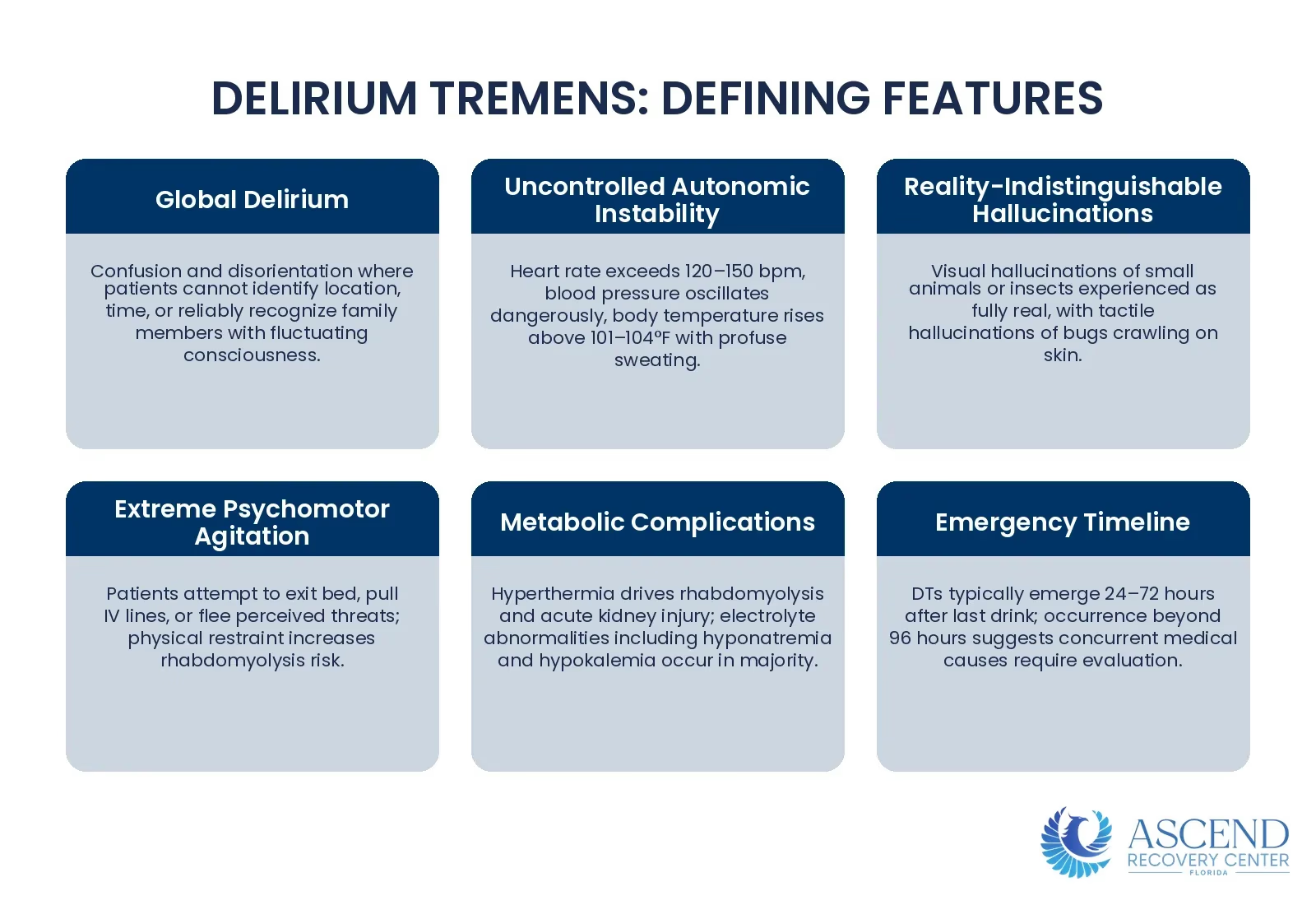
The following are the 5 defining features of delirium tremens that distinguish it from ordinary alcohol withdrawal:
- Global delirium: confusion and disorientation that is qualitatively different from ordinary withdrawal anxiety — patients cannot identify where they are, what time it is, or reliably recognize family members; consciousness fluctuates over minutes to hours
- Uncontrolled autonomic instability: heart rate typically exceeds 120–150 bpm; blood pressure may oscillate between hypertensive (systolic 180+) and hypotensive readings; body temperature rises above 101–104°F; profuse diaphoresis and pallor are characteristic
- Reality-indistinguishable hallucinations: in contrast to alcoholic hallucinosis, DT hallucinations are experienced as fully real; visual hallucinations (small animals, insects, or threatening figures) are most common; tactile hallucinations (sensation of bugs crawling on skin — formication) are pathognomonic
- Extreme psychomotor agitation: patients often attempt to get out of bed, pull out IV lines, or flee what they perceive as threatening environments; physical restraint without adequate sedation increases risk of rhabdomyolysis and cardiac events
- Metabolic complications: hyperthermia drives rhabdomyolysis and acute kidney injury; electrolyte abnormalities — hyponatremia, hypokalemia, hypomagnesemia, hypophosphatemia — occur in the majority of DT cases and independently worsen outcomes
Risk factors for developing DTs include: prior DT episode (the strongest single predictor), prior withdrawal seizure, age over 45, daily alcohol consumption exceeding 15 standard drinks, medical comorbidities including liver disease, and withdrawal in the context of concurrent infection or trauma. DTs onset after the 72-hour mark is unusual; if DT symptoms first appear beyond 96 hours, concurrent medical causes must be evaluated. Because DT and seizure risk escalate hour by hour, clinicians quantify that risk in real time using a validated bedside instrument — the CIWA-Ar scale converts subjective and objective withdrawal signs into a single score that drives medication decisions.
FL DCF LicensedFARR CertifiedAlcohol withdrawal is one of the most dangerous withdrawal syndromes — more dangerous than opioid withdrawal in terms of direct mortality risk. Medical supervision is not optional for moderate or severe cases.
How Do Clinicians Assess Alcohol Withdrawal Severity?
Clinicians assess alcohol withdrawal severity using the Clinical Institute Withdrawal Assessment for Alcohol, Revised (CIWA-Ar) — a validated 10-item scale completed by a nurse or clinician that measures both subjective and objective withdrawal signs and guides benzodiazepine dosing decisions. The CIWA-Ar takes approximately 3–5 minutes to administer and is repeated every 1–4 hours depending on severity.
The 10 CIWA-Ar items are:
- Nausea and vomiting (0 = none; 7 = constant nausea, frequent dry heaves and vomiting)
- Tremor (0 = no tremor; 7 = severe tremor, even with arms not extended)
- Paroxysmal sweats (0 = no sweat; 7 = drenching sweats)
- Anxiety (0 = no anxiety; 7 = equivalent to acute panic states)
- Agitation (0 = normal activity; 7 = pacing or thrashing)
- Tactile disturbances (0 = none; 7 = continuous hallucinations — formication, burning sensations)
- Visual disturbances (0 = not present; 7 = continuous hallucinations)
- Auditory disturbances (0 = not present; 7 = continuous hallucinations, extremely disturbing)
- Headache, fullness in head (0 = not present; 7 = extremely severe)
- Orientation and clouding of sensorium (0 = oriented; 4 = disoriented to person, date, and place)
Total scores above 8 predict the need for pharmacological management; scores above 15–20 predict high risk for complications including seizure and delirium. Symptom-triggered dosing using the CIWA-Ar (administering benzodiazepines only when scores reach a pre-specified threshold) reduces total benzodiazepine use and duration of treatment by 35–40% compared to fixed-schedule dosing, without increasing complication rates — but requires experienced nursing staff capable of completing the assessment reliably.
In addition to the CIWA-Ar, medical evaluation includes: complete metabolic panel (electrolytes, glucose, BUN/creatinine, liver enzymes), complete blood count, urine drug screen, blood alcohol level, and 12-lead ECG to evaluate for QTc prolongation. Thiamine level is checked when available — thiamine deficiency in chronic alcohol users is near-universal and must be corrected before administering dextrose to prevent precipitating Wernicke's encephalopathy. Once the CIWA-Ar score establishes withdrawal severity, that number drives the central treatment decision — which medications to administer, at what dose, and on what schedule.
Does Your Insurance Cover Alcohol Addiction Education?
Free, confidential verification in under 15 minutes.
What Medications Are Used to Treat Alcohol Withdrawal?
Benzodiazepines are the pharmacological gold standard for alcohol withdrawal treatment — they act on the same GABA-A receptors that alcohol affects, restoring inhibitory tone and preventing seizures and delirium through GABAergic cross-tolerance. The following are the 4 primary medication protocols used in medical management of alcohol withdrawal:
- Long-acting benzodiazepines (first-line for most patients): diazepam (Valium) — 10–20 mg PO/IV every 1–4 hours — and chlordiazepoxide (Librium) — 25–100 mg PO every 4–6 hours, not exceeding 300 mg in 24 hours — provide smooth, self-tapering coverage through their active metabolites; preferred for patients with normal hepatic function; diazepam front-loading (60–120 mg over 3–4 hours with subsequent CIWA-guided dosing) is effective for moderate-severe presentations
- Short-acting benzodiazepines (preferred in liver disease and elderly): lorazepam (Ativan) — 1–4 mg IV/IM every 1–4 hours — and oxazepam — 15–30 mg PO — are metabolized without active intermediates, making them safer when hepatic function is compromised; these require more frequent dosing since the shorter duration leaves less coverage
- Phenobarbital (adjunct or alternative): increasingly used as a first-line agent or adjunct in moderate-severe withdrawal — loading dose of 10–15 mg/kg IV — particularly in cases refractory to benzodiazepines; phenobarbital also acts on GABA-A receptors through a different mechanism, providing additive seizure protection; emerging evidence supports phenobarbital-based protocols for alcohol withdrawal in emergency department settings
- Supportive medications: thiamine 100 mg IV/IM given before any dextrose-containing fluids to prevent Wernicke's encephalopathy; magnesium sulfate 1–2g IV for hypomagnesemia (near-universal in heavy drinkers) and to reduce seizure threshold; electrolyte replacement for hypokalemia and hypophosphatemia; alpha-2 agonists (clonidine, dexmedetomidine) for autonomic symptom control when benzodiazepines alone provide insufficient blood pressure and heart rate management
Home alcohol detox without medical supervision is not appropriate for anyone with a history of withdrawal seizures, prior DTs, moderate-to-severe alcohol dependence (8+ drinks daily for 2+ weeks), or the presence of medical comorbidities. The American Society of Addiction Medicine explicitly recommends against unsupported home detox for these individuals. For appropriate-risk individuals, outpatient alcohol withdrawal management with frequent clinical monitoring, CIWA-guided oral benzodiazepine protocols, and support from a family member is evidence-based — but requires documented clinical assessment and close follow-up. The decision between outpatient and inpatient medication management depends on the individual's risk profile, which is why clinicians first identify who is at highest risk for severe alcohol withdrawal before selecting a treatment setting.
DCF-licensed detox programs in Florida provide clinical risk assessment to determine appropriate placement level — inpatient hospital, residential detox, or medically monitored outpatient. Florida Medicaid covers medical alcohol detox at DCF-licensed facilities for eligible residents. Learn how alcohol detox works and what the medical process involves before you stop drinking.
Who Is at Highest Risk for Severe Alcohol Withdrawal?
Individual risk for severe alcohol withdrawal varies dramatically based on 6 clinical predictors — the same quantity of alcohol use produces vastly different withdrawal severity depending on neurobiological factors, prior withdrawal history, and medical status. The following are the 6 highest-risk predictors for severe alcohol withdrawal, seizure, and delirium tremens:
- Prior withdrawal seizure: the single strongest predictor of withdrawal seizure in a future episode — the kindling phenomenon describes how each withdrawal episode lowers the seizure threshold; individuals who have experienced one withdrawal seizure face 3-fold increased risk of seizure in subsequent withdrawals
- Prior delirium tremens: prior DT episode is the strongest predictor of DT recurrence — risk in a subsequent withdrawal episode exceeds 30% in individuals with previous DTs; no other single factor predicts DT more reliably
- Duration and quantity of heavy drinking: daily consumption exceeding 15 standard drinks for 10+ consecutive days; drinking duration exceeding 10 years; morning drinking to prevent or relieve withdrawal symptoms (alcohol dependence marker)
- Older age (45+): older adults develop physiological dependence at lower quantities of alcohol use and experience more severe withdrawal; neurological reserve decreases with age, reducing the brain's ability to compensate for excitatory-inhibitory imbalance
- Medical comorbidities: hepatic disease (reduces benzodiazepine metabolism and elevates drug levels unpredictably); cardiac disease (cardiac arrhythmia risk is elevated during DTs); pulmonary disease (respiratory depression risk); infection or trauma (systemic stress amplifies withdrawal severity)
- Concurrent drug use: regular benzodiazepine, barbiturate, or other CNS depressant use combined with alcohol creates a compound withdrawal syndrome that may require higher benzodiazepine doses and longer treatment duration than alcohol withdrawal alone
Validated prediction tools — including the Prediction of Alcohol Withdrawal Severity Scale (PAWSS) — allow clinicians to categorize withdrawal risk prior to the development of severe symptoms. Any individual with two or more of these high-risk predictors should be evaluated for inpatient-level medical detox regardless of current CIWA-Ar score, because their risk of rapid clinical deterioration is too high for outpatient or ambulatory management. Identifying high-risk individuals also shapes the discharge plan, because the same neuroadaptation that drives severe withdrawal continues to affect the brain long after acute symptoms resolve — determining what happens after alcohol withdrawal is complete.
The kindling hypothesis explains why repeated alcohol withdrawal episodes progressively worsen in severity — each withdrawal lowers the seizure threshold, making the next episode more dangerous than the last.
What Happens After Alcohol Withdrawal Is Complete?
Successful completion of alcohol withdrawal — whether managed in a hospital, residential detox, or outpatient medical setting — marks the beginning of addiction treatment, not its completion. Alcohol withdrawal treats physiological dependence, not alcohol use disorder (AUD). Without evidence-based treatment for the underlying disorder, the majority of individuals who complete medical detox without transitioning to structured programming relapse within 30 days.
The two most important post-withdrawal clinical considerations are:
- Post-Acute Withdrawal Syndrome (PAWS): a prolonged neurological recovery state that follows acute alcohol withdrawal in many individuals — characterized by insomnia, anxiety, irritability, difficulty concentrating, mood instability, and alcohol cravings that persist weeks to months after acute withdrawal resolves. PAWS is driven by the slow normalization of GABA and glutamate receptor function and dopaminergic reward system adaptation. PAWS symptoms are the primary trigger of early relapse; structured PHP or IOP programming provides the therapeutic support and monitoring needed to navigate this period safely. A clinically useful distinction guides post-detox psychiatric care: roughly 50% of alcohol-induced depressive symptoms resolve within the first 4 weeks of abstinence without antidepressant medication, which is why clinicians reassess mood after the acute window before diagnosing an independent depressive disorder.
- Transition to structured treatment: the window immediately following alcohol detox is a high-motivation period — the acute discomfort of withdrawal has resolved, but consequences and treatment goals remain salient. The National Institute on Alcohol Abuse and Alcoholism (NIAAA) documents that treatment engagement within the first 48–72 hours of detox completion is associated with significantly higher 12-month sobriety rates than delayed enrollment. Understanding alcohol detox as a clinical process helps families and clients make informed decisions about the appropriate next level of care.
DCF-licensed outpatient programs in Florida begin ASAM-based treatment planning during the detox process — matching patients to the appropriate level of care (PHP, IOP, or standard outpatient) so that structured clinical programming begins immediately after medical stabilization. Alcohol rehab options in Florida range from PHP to standard outpatient depending on clinical need. See the Florida drug and alcohol rehab guide for state-specific resources, statutes, and licensing requirements. before discharge from detox to avoid gaps in care.
Is alcohol withdrawal just a bad hangover?
Common Misconception
"Alcohol withdrawal is just a rough hangover you can power through."
What the Evidence Shows
Severe alcohol withdrawal can cause seizures and delirium tremens (DTs) — a medical emergency fatal in up to 37% of untreated cases. Alcohol is one of the few substances whose withdrawal can kill. Medically supervised detox using benzodiazepines and vital-sign monitoring (guided by the CIWA-Ar scale) is the standard of care for moderate-to-severe alcohol dependence — not something to tough out alone.
National Institute on Alcohol Abuse and Alcoholism (NIAAA); ASAM alcohol withdrawal management guideline.


