


Referenced in this article
Key Takeaways
- Addiction (substance use disorder) is diagnosed using 11 DSM-5 criteria; meeting 2–3 indicates mild SUD, 4–5 moderate, and 6+ severe — with severity determining the appropriate level of care
- Behavioral signs of addiction (secrecy, financial deterioration, continued use despite consequences, abandonment of activities) typically appear before physical signs and are often more visible to family members than to the individual themselves
- Physical signs vary by substance class: pinpoint pupils and sedation indicate opioid use; dilated pupils and weight loss indicate stimulant use; tremors and jaundice indicate alcohol use disorder
- Alcohol and benzodiazepine withdrawal can be fatal — tremors, sweating, elevated heart rate, or confusion after reducing heavy use requires emergency medical evaluation, not a wait-and-see approach
- SAMHSA's 2022 data shows 48.7 million Americans meet SUD criteria annually, but fewer than 1 in 10 receive treatment — early recognition and clinical assessment significantly improves the probability of accessing effective care
What Are the 11 DSM-5 Criteria for Addiction?
The DSM-5 defines addiction through 11 specific criteria organized across four clusters — impaired control, social impairment, risky use, and pharmacological signs. A substance use disorder diagnosis requires meeting at least 2 criteria within a 12-month period for the same substance. The 11 criteria are as follows:
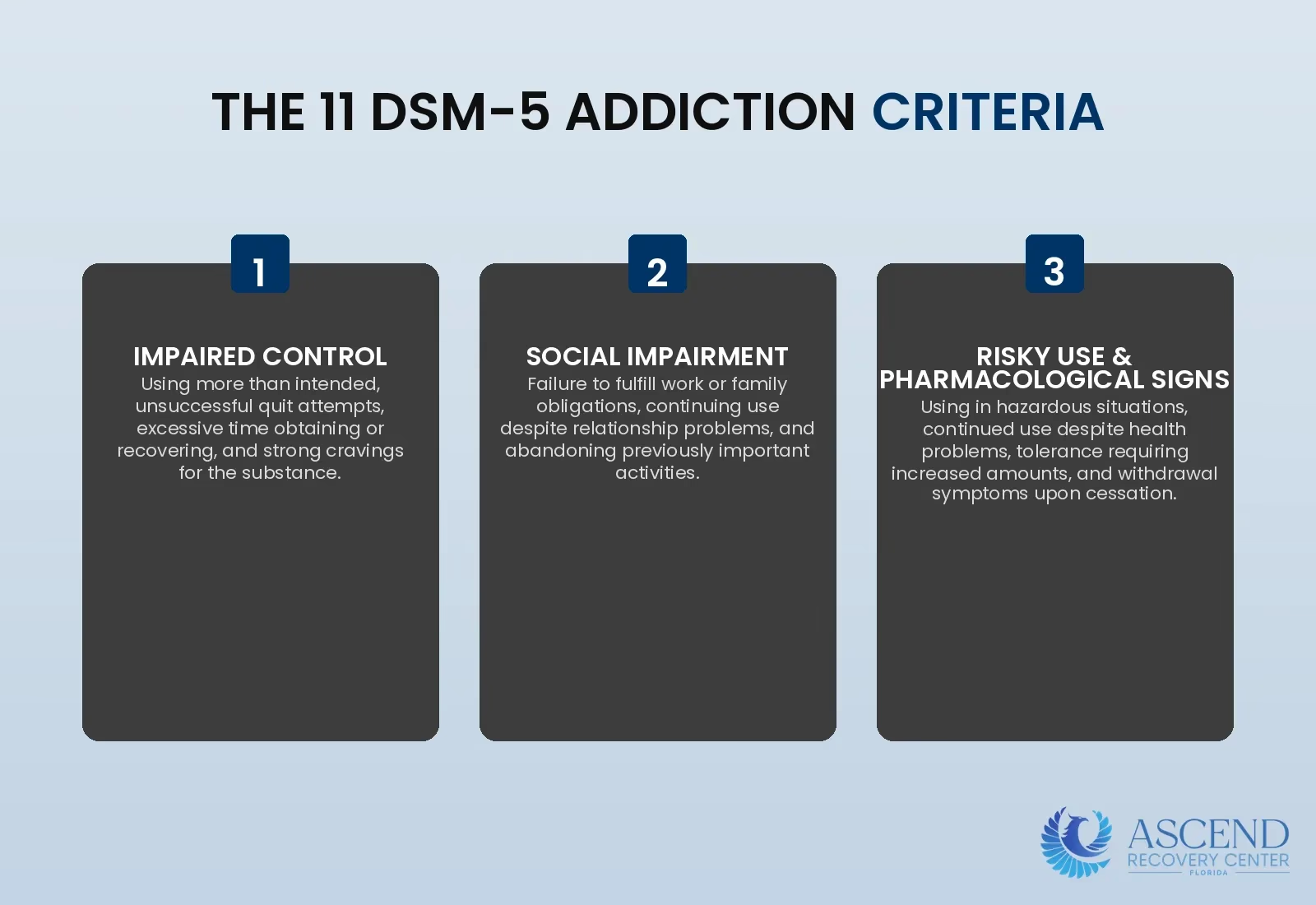
Impaired Control (Criteria 1–4):
- Using more or for longer than intended — The person consistently consumes a larger amount of the substance than they planned, or uses for a longer time period than they intended.
- Unsuccessful attempts to cut down or stop — The person has persistent desire to reduce or stop use and has made repeated failed attempts despite genuine motivation to change.
- Spending a great deal of time obtaining, using, or recovering — A significant portion of daily time is devoted to substance-related activities — purchasing, using, hiding use, or recovering from effects.
- Cravings — Strong urges or compulsions to use the substance occupy significant cognitive attention, often triggered by environmental cues, stress, or social situations.
Social Impairment (Criteria 5–7):
- Failure to fulfill major role obligations — Repeated failures at work, school, or home due to substance use — missed shifts, academic failure, neglect of children or household responsibilities.
- Continued use despite social problems — Persistent use despite recurring interpersonal problems caused or worsened by substance use — arguments with a spouse, estrangement from family, loss of friendships.
- Giving up important activities — Social, occupational, or recreational activities that were previously important are reduced or abandoned in favor of substance use.
Risky Use (Criteria 8–9):
- Use in physically hazardous situations — Driving under the influence, operating machinery, using in an unsafe environment, or combining substances in ways that increase overdose risk.
- Continued use despite physical or psychological problems — Using despite knowing that the substance is causing or worsening a medical condition — liver disease, depression, anxiety, cardiac problems.
Pharmacological Signs (Criteria 10–11):
- Tolerance — Requiring markedly increased amounts of the substance to achieve the same effect, or experiencing markedly diminished effect with the same amount over time.
- Withdrawal — Characteristic withdrawal symptoms appear when substance use is reduced or stopped, or the substance (or a closely related substance) is taken to relieve or avoid withdrawal symptoms.
Tolerance and withdrawal (criteria 10–11) reflect physical dependence and do not count toward a SUD diagnosis when they occur in the context of prescribed medical treatment taken as directed.

DSM-5 Substance Use Disorder Diagnostic Criteria (11 Total)
Mild substance use disorder — equivalent to early-stage addiction, still highly responsive to outpatient treatment
Moderate substance use disorder — typically requires PHP or IOP level of care and possible medication-assisted treatment
Severe substance use disorder — often requires medical detox, PHP, and intensive clinical intervention to stabilize

 FL DCF LicensedFARR Certified
What Are the Behavioral Signs of Addiction?
Behavioral signs of addiction are often the first observable indicators — visible to family members and colleagues before physical symptoms become apparent. The following are the 8 most reliably predictive behavioral signs of addiction across substance classes:
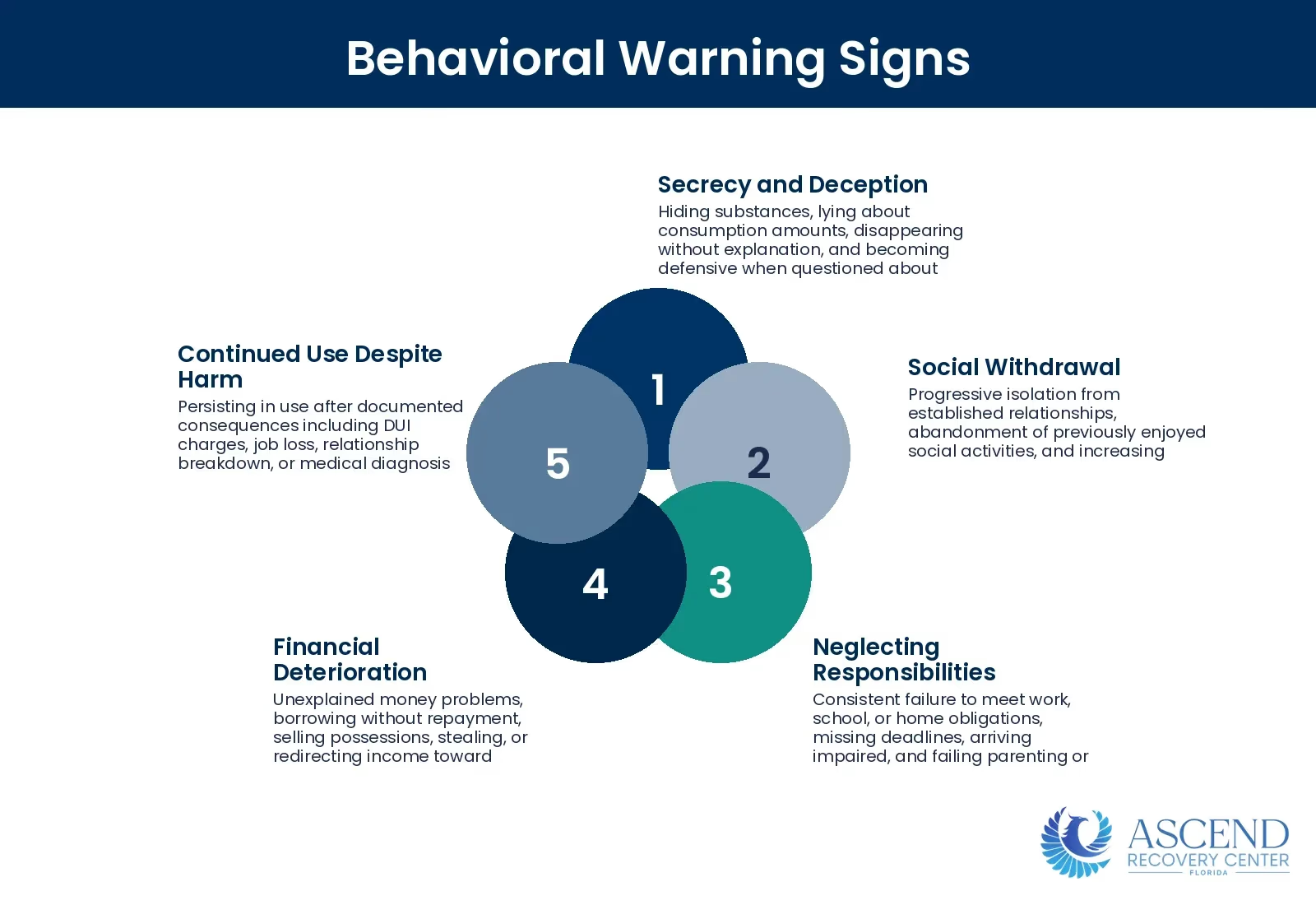
- Secrecy and deception about use — Hiding substances, lying about how much was consumed, disappearing for unexplained periods, or becoming defensive and evasive when questioned about substance use or whereabouts.
- Withdrawal from family and social relationships — Progressive isolation from established relationships, abandonment of social activities previously enjoyed, spending increasing time alone or with new social contacts associated with substance use.
- Neglecting responsibilities — Consistent failure to meet obligations at work, school, or home. Missing deadlines, arriving late or impaired, failing to fulfill household or parenting responsibilities that were previously managed reliably.
- Financial deterioration — Unexplained financial problems, borrowing money without repayment, selling possessions, stealing, or redirecting income toward substance acquisition at the expense of rent, bills, and food.
- Continuing use despite consequences — Persisting in use after clear, documented harms — DUI charges, job loss, relationship breakdown, or medical diagnosis — that any objective observer would recognize as caused by the substance.
- Tolerance-driven escalation — Visibly requiring larger quantities to achieve the same effect; being unable to achieve the same level of intoxication from the amount that previously produced it, resulting in progressively increasing use.
- Loss of interest in previous hobbies — Abandonment of activities that previously provided pleasure and identity — sports, music, creative pursuits, social clubs — as substance use becomes the primary source of reward and time.
- Risk-taking behavior — Engaging in dangerous activities under the influence — driving, swimming, operating equipment — or taking risks to obtain substances that the person would not take while sober.
What Are the Physical Signs of Addiction?
Physical signs of addiction are directly tied to substance class — the pharmacological action of the drug determines which physiological systems are most visibly affected. The following physical signs, organized by system, are the most diagnostically significant across substance use disorders:
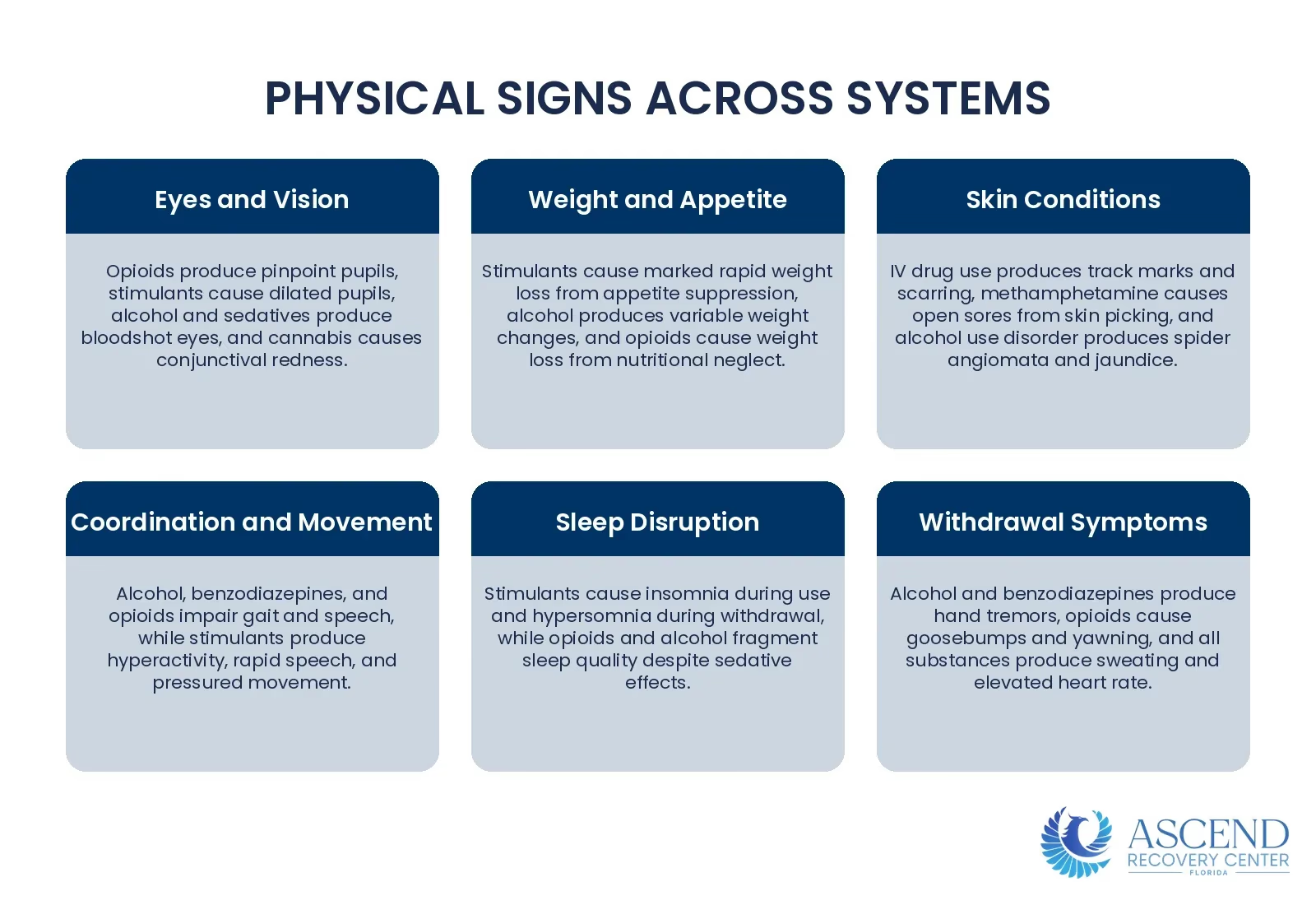
- Eyes — Opioid use produces pinpoint (miotic) pupils, often described as pinpoints even in dim lighting. Stimulant use produces dilated (mydriatic) pupils. Alcohol and sedative use produces bloodshot eyes with slowed pupil reaction. Cannabis produces conjunctival injection — persistent redness with watery eyes.
- Weight and appetite — Stimulant use disorders (methamphetamine, cocaine, prescription stimulants) typically produce rapid, marked weight loss due to appetite suppression. Alcohol use disorder produces weight changes that vary — initial weight gain followed by malnutrition and weight loss in advanced stages. Opioid use disorder is associated with weight loss due to neglect of nutrition and reduced appetite.
- Skin — Intravenous drug use produces track marks — puncture wounds, bruising, scarring, and collapsed veins along injection sites, typically on the forearms, hands, and feet. Methamphetamine use frequently produces skin picking (formication — the sensation of insects under the skin) resulting in open sores and scarring. Alcohol use disorder produces spider angiomata, palmar erythema, and jaundice reflecting hepatic involvement.
- Coordination and gait — Alcohol, benzodiazepines, and opioids impair coordination, producing unsteady gait, slurred speech, and slowed reflexes. Stimulant intoxication produces the opposite — hyperactivity, rapid speech, and pressured movement.
- Sleep patterns — All substance use disorders disrupt normal sleep architecture. Stimulant use produces insomnia during intoxication and hypersomnia during withdrawal. Opioid and alcohol use initially induce sleep but progressively fragment sleep quality, producing paradoxical insomnia despite sedation.
- Withdrawal signs — Observable physical withdrawal signs include hand tremors (alcohol, benzodiazepines), goosebumps and yawning (opioids), sweating and elevated pulse (alcohol), and prolonged fatigue and depression (stimulants). These signs appear when use is reduced or stopped and constitute a medical emergency for alcohol and benzodiazepines.
Physical Signs by Substance Class
Pinpoint pupils (opioids), bloodshot eyes (alcohol), track marks, weight loss, jaundice (alcohol liver disease), hand tremors
Dilated pupils, rapid weight loss, sores or picking at skin (meth), nosebleeds (cocaine), jaw clenching, hyperactivity
Bloodshot eyes, increased appetite (cannabis), slowed reflexes, slurred speech, excessive sedation (benzodiazepines and alcohol)
FL DCF LicensedFARR CertifiedThe signs of addiction are almost always visible before the individual recognizes them in themselves. Families often spend years wondering if something is wrong before they can name it. Knowing the specific behavioral, physical, and psychological signs — and knowing that those signs are treatable — changes what families do with that knowledge.
What Are the Psychological Signs of Addiction?
Psychological signs of addiction reflect the neurobiological changes addiction produces in the prefrontal cortex, limbic system, and stress response — changes that alter mood, cognition, and emotional regulation in ways that are often more distressing to family members than the substance use itself. The following are the 7 primary psychological signs of addiction:
- Denial and minimization — A persistent and genuine belief that use is not a problem, that consequences are exaggerated, or that others are overreacting. Denial in addiction is a neurobiological phenomenon — the same prefrontal impairment that drives compulsive use limits the individual's ability to accurately assess their own behavior. It is not dishonesty; it reflects the cognitive distortion the disorder produces.
- Mood swings and emotional dysregulation — Rapid shifts between irritability, euphoria, depression, and anxiety — often correlated with substance use timing (intoxication vs. withdrawal vs. seeking). Emotional dysregulation becomes increasingly severe as addiction progresses and the stress system becomes more sensitized.
- Preoccupation with use — Persistent cognitive focus on obtaining and using the substance, planning the next use, or anticipating when cravings will be manageable. This preoccupation occupies working memory in ways that impair concentration, work performance, and interpersonal presence.
- Anxiety and irritability during abstinence — Heightened anxiety, restlessness, and irritability during periods of not using — reflecting the dysregulated stress system that develops with chronic substance use. These symptoms are often misattributed to personality or mental illness rather than recognized as withdrawal or early recovery symptoms.
- Paranoia or psychosis — Heavy stimulant use (methamphetamine, cocaine) and cannabis use disorder can produce paranoid ideation, hallucinations, and psychotic symptoms that can be clinically indistinguishable from primary psychotic disorders. Stimulant-induced psychosis typically resolves with sustained abstinence but may persist for weeks.
- Depression and anhedonia — The inability to experience pleasure from non-substance activities — a direct result of downregulated dopamine receptor density in the nucleus accumbens. This anhedonia drives continued use as the substance becomes the only reliable source of reward and can persist for months into early recovery as receptor density slowly recovers.
- Cognitive impairment — Memory problems, concentration difficulties, and impaired executive function — particularly prominent with alcohol, benzodiazepines, and heavy cannabis use. Heavy alcohol use produces Wernicke-Korsakoff syndrome (thiamine deficiency-related neurological damage) in advanced cases.
Does Your Insurance Cover Addiction Education?
Free, confidential verification in under 15 minutes.
How Do Signs of Addiction Differ Across Age Groups?
The behavioral presentation of addiction differs significantly across age groups — adolescent addiction, adult addiction, and older adult addiction each have distinct signs that require age-appropriate recognition.
Adolescent Signs of Addiction (Ages 12–17):
- Sudden academic decline — falling grades, skipping classes, school avoidance, suspension or expulsion
- Changed social group — new friends who are older, unknown to parents, or associated with substance use; loss of longtime friendships
- Personality change — unexplained mood swings, secretive behavior, loss of interest in previously valued activities (sports, hobbies, creative pursuits)
- Physical signs — unusual smells on clothing or breath, red or glossy eyes, possession of drug paraphernalia, significant weight change
- Money disappearing — theft from parents or siblings, asking for money repeatedly without explanation
Adolescent substance use disorders progress more rapidly than adult addiction due to the developing brain's neuroplasticity — a 17-year-old who begins daily cannabis use is 4–7× more likely to develop cannabis use disorder than someone who begins use at age 21.
Adult Signs of Addiction (Ages 18–64):
- Work performance deterioration — absenteeism, impaired performance, conflict with colleagues, demotion or termination
- Relationship breakdown — marital conflict, separation, estrangement from family, loss of friendships
- Financial consequences — debt accumulation, missed mortgage or rent payments, loss of assets
- Legal problems — DUI charges, domestic incidents, arrests related to substance acquisition or behavior while intoxicated
- Physical health decline — emergency department visits, multiple hospitalizations, medication noncompliance due to substance interactions
Older Adult Signs of Addiction (Ages 65+):
- Increased alcohol use following retirement, bereavement, or health problems — often misattributed to normal aging
- Falls and injuries — frequent falls that are often related to alcohol or sedative intoxication
- Medication misuse — exceeding prescribed doses of benzodiazepines, opioids, or sedatives; obtaining medications from multiple providers
- Cognitive decline — memory problems, confusion, and disorientation that may be directly caused or worsened by substance use but attributed to dementia
- Social withdrawal — isolation from family and social activities, often concealing use to avoid family concern
Older adult addiction is significantly underdiagnosed — fewer than 10% receive treatment — because both physicians and family members attribute the signs to normal aging rather than recognizing them as a treatable substance use disorder.
When Do Signs of Addiction Require Immediate Clinical Attention?
Certain signs of addiction require immediate clinical evaluation — conditions where delay increases the risk of medical emergency, overdose, or irreversible harm. The following signs indicate urgent need for clinical assessment or emergency care:
- Overdose risk indicators — Unresponsiveness, slowed or stopped breathing, blue or gray lips (cyanosis), pinpoint pupils, or loss of consciousness — call 911 immediately. For suspected opioid overdose, administer naloxone (Narcan) if available. Do not leave the person alone.
- Alcohol or benzodiazepine withdrawal — Tremors, sweating, elevated heart rate, fever, seizures, or confusion in someone who has recently reduced or stopped heavy alcohol or benzodiazepine use — this is a medical emergency. Alcohol and benzodiazepine withdrawal can be fatal without medical management. Call 911 or go to an emergency room immediately.
- Suicidal ideation or self-harm — Expressions of wanting to die, self-harm behaviors, or giving away possessions — particularly common during stimulant withdrawal (cocaine, methamphetamine crash) and alcohol withdrawal. Requires immediate psychiatric evaluation.
- Stimulant-induced psychosis — Paranoid beliefs, visual or auditory hallucinations, aggressive behavior, or disorganized thinking in someone who has been using methamphetamine or cocaine — requires emergency evaluation to rule out both substance-induced and primary psychotic disorders.
- Medical deterioration — Jaundice, abdominal pain, or severe vomiting in individuals with alcohol use disorder — may indicate alcoholic hepatitis or liver failure requiring emergency care. Endocarditis (heart valve infection) from intravenous drug use presents with fever, joint pain, and fatigue.
For non-emergency situations — recognition of multiple addiction signs in yourself or a family member — the appropriate first step is a confidential clinical assessment with an ASAM-trained clinician, not a crisis line. SAMHSA's National Helpline (1-800-662-4357) provides free, confidential referrals to licensed assessment programs 24 hours a day.
Early recognition matters enormously. A mild substance use disorder — two or three DSM-5 criteria — responds to outpatient intervention in a way that a severe disorder, after years of untreated progression, may not. The signs are there early. The challenge is knowing what to look for.
How Is Addiction Clinically Assessed and Diagnosed?
Clinical diagnosis of addiction uses a comprehensive biopsychosocial assessment incorporating DSM-5 SUD criteria, ASAM multidimensional evaluation, and collateral information to determine both diagnosis and the appropriate level of care. The assessment process consists of 4 components:
- DSM-5 Structured Interview — A licensed clinician systematically reviews all 11 DSM-5 substance use disorder criteria across all substances the individual has used. This establishes the diagnosis, severity level (mild, moderate, severe), and identifies the primary substance(s) of concern requiring targeted treatment.
- ASAM Multidimensional Assessment — The ASAM criteria evaluate the individual across 6 dimensions: (1) acute intoxication and withdrawal potential, (2) biomedical conditions, (3) emotional, behavioral, and cognitive conditions, (4) readiness to change, (5) relapse and continued use potential, and (6) recovery and living environment. This 6-dimension profile determines the appropriate level of care — PHP, IOP, or outpatient.
- Medical and Psychiatric Review — Co-occurring medical conditions (liver disease, cardiovascular problems, infectious disease) and psychiatric conditions (depression, anxiety, PTSD, bipolar disorder) are reviewed and assessed because they directly affect treatment planning and medication management decisions.
- Psychosocial History — Trauma history, family addiction history, employment status, housing stability, and social support resources are assessed — all of these ASAM Dimension 6 factors influence both treatment intensity and the specific therapeutic goals of the plan.
Licensed outpatient programs in Florida — including PHP and IOP — complete full ASAM assessments before enrollment. — most PPO plans cover the full assessment and all three levels of outpatient care at no out-of-pocket cost.
Would you obviously know if someone was addicted?
Common Misconception
"Addiction is obvious — you'd clearly see it if someone you knew was addicted."
What the Evidence Shows
Many people with substance use disorder are high-functioning and conceal use for years. DSM-5 diagnoses substance use disorder on 11 criteria spanning impaired control, social impairment, risky use, and tolerance/withdrawal — many of which are invisible to outsiders. Holding a job or maintaining a household does not rule out addiction; concealment and rationalization are core features. This is why structured screening, not casual observation, is how addiction is actually identified.
American Psychiatric Association, DSM-5-TR (2022), Substance-Related and Addictive Disorders.


