


Referenced in this article
Key Takeaways
- Alcohol withdrawal is life-threatening: delirium tremens (DTs) carry mortality of up to 37% without medical treatment, dropping to 1–4% with pharmacological management (Schuckit, NEJM, 2014)
- Withdrawal follows a 4-stage timeline: tremors at 6–12 hours, seizure peak at 24–48 hours, DT window at 48–96 hours — all requiring continuous CIWA-Ar monitoring
- CIWA-Ar scores above 15 indicate severe withdrawal requiring aggressive benzodiazepine intervention; scores are assessed every 1–4 hours in DCF-licensed Florida detox facilities
- FDA-approved alcohol detox medications are benzodiazepines (Librium, Valium, Ativan); Librium is preferred for uncomplicated withdrawal, Ativan for individuals with hepatic impairment
- 85% of individuals who complete detox without follow-up behavioral treatment relapse within 12 months (NIDA) — same-week transition to PHP or IOP is the evidence-based standard of care following medical alcohol stabilization
What Is Alcohol Detox?
Alcohol detox is the medically supervised process of eliminating alcohol from the body while managing withdrawal syndrome through pharmacological intervention and continuous clinical monitoring. Alcohol detox addresses the acute physiological dependence that develops after sustained heavy drinking. The American Society of Addiction Medicine (ASAM) classifies alcohol detox at Level 3.7 (Medically Monitored Intensive Inpatient) or Level 4.0 (Medically Managed Intensive Inpatient) depending on withdrawal severity and medical complexity.
The three primary goals of medical alcohol detox are: (1) preventing life-threatening withdrawal complications including seizures and delirium tremens, (2) managing acute physical discomfort through evidence-based medication protocols, and (3) medically stabilizing the individual for same-week transition to behavioral addiction treatment.
Alcohol detox is not addiction treatment. Detox addresses physiological dependence. Addiction treatment addresses the behavioral, psychological, and social factors that sustain alcohol use disorder. NIDA research demonstrates that 85% of individuals who complete detox without any subsequent behavioral treatment relapse within 12 months. Withdrawal management protocols differ by substance class — medically supervised drug detox covers the opioid, benzodiazepine, and stimulant timelines alongside alcohol. The clinical urgency of medical alcohol detox is best understood through the alcohol withdrawal timeline, which maps exactly when seizures and delirium tremens become most likely after the last drink.

Alcohol Withdrawal Timeline and Risk Markers
- 16-12 Hours
Tremor, anxiety, nausea, sweating, elevated pulse, and insomnia begin after blood alcohol levels decline.
- 212-24 Hours
Hallucinations and autonomic instability indicate escalating withdrawal risk.
- 324-48 Hours
Seizure risk peaks and requires medication management in medically supervised detox.
- 448-96 Hours
Delirium tremens risk peaks with confusion, fever, agitation, hypertension, and mortality risk without treatment.
- 55-7 Days
Acute withdrawal resolves for many patients; post-detox treatment planning becomes the clinical priority.

 FL DCF LicensedFARR Certified
What Is the Alcohol Withdrawal Timeline?
The alcohol withdrawal timeline follows a predictable 4-stage progression beginning 6–12 hours after the last drink, with peak severity between 48–72 hours and DT risk concentrated in the 48–96 hour window. Alcohol withdrawal begins 6–12 hours after the last drink. Withdrawal severity depends on duration and quantity of alcohol consumption, prior withdrawal history, and individual physiological factors. The kindling phenomenon — documented by Ballenger and Post (1978) in the Archives of General Psychiatry — causes withdrawal severity to increase with each successive detox episode, making first-episode detox the lowest-risk point of intervention.
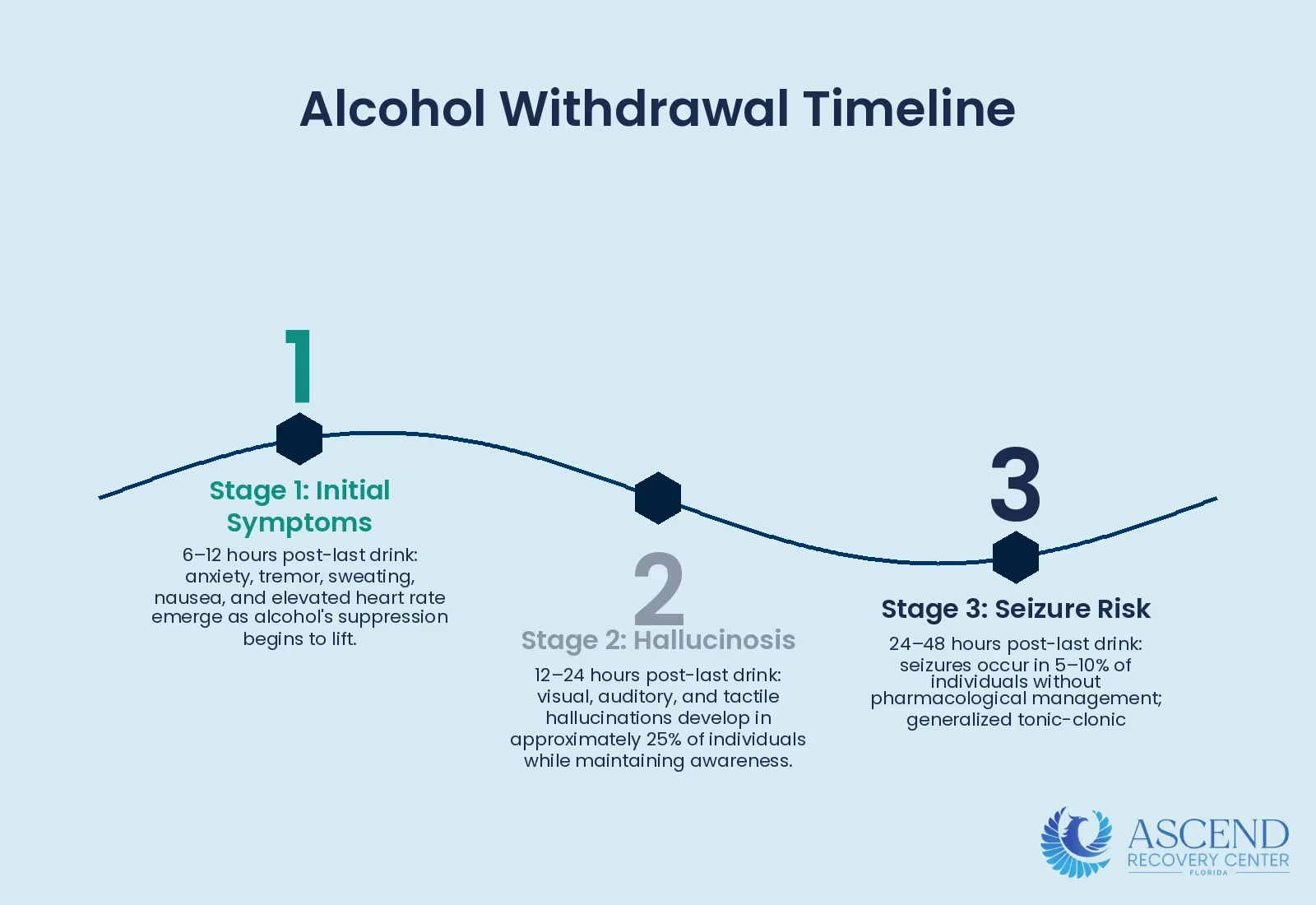
The 4 stages of alcohol withdrawal are described below.
- Stage 1 (6–12 hours post-last drink) — minor withdrawal symptoms emerge: anxiety, insomnia, tremor, diaphoresis (sweating), nausea, vomiting, tachycardia (heart rate above 100 bpm), and hypertension. These symptoms reflect the initial excitatory rebound as alcohol's GABAergic suppression begins to lift.
- Stage 2 (12–24 hours post-last drink) — alcoholic hallucinosis develops in approximately 25% of individuals undergoing withdrawal. Visual, auditory, and tactile hallucinations occur while the individual retains orientation and awareness. Alcoholic hallucinosis is clinically distinct from delirium tremens.
- Stage 3 (24–48 hours post-last drink) — seizure risk peaks. Alcohol withdrawal seizures occur in 5–10% of individuals with physiological alcohol dependence who stop drinking without pharmacological management. Seizures are generalized tonic-clonic in presentation. Status epilepticus develops in 3% of withdrawal seizure cases and requires immediate emergency intervention.
- Stage 4 (48–96 hours post-last drink) — delirium tremens onset occurs in 3–5% of individuals undergoing alcohol withdrawal. DTs present as severe confusion, agitation, autonomic hyperactivity (fever, tachycardia, hypertension, profuse diaphoresis), and hallucinations. DTs last 2–3 days on average. DTs require intensive medical management in a facility with continuous monitoring capacity.
Post-acute withdrawal syndrome (PAWS) — persistent insomnia, anxiety, and mood instability — continues for 2–6 months following acute withdrawal resolution and is a primary relapse trigger during early recovery. Because withdrawal severity escalates rapidly across this timeline, detox facilities score each stage with a standardized instrument — the CIWA-Ar assessment protocol translates observed symptoms into a number that dictates when and how much medication to give.
Alcohol Detox Timeline
- 1Hours 6-12: Early Symptoms
Anxiety, insomnia, tremor, sweating, nausea, tachycardia, and hypertension as GABAergic suppression lifts
- 2Hours 12-48: Peak Risk
Alcoholic hallucinosis in 25% of cases; seizure risk peaks at 24-48 hours, occurring in 5-10% of dependent individuals
- 3Hours 48-96: DT Window
Delirium tremens onset window — affects 3-5% of withdrawal cases; peak severity between 48-72 hours requiring continuous monitoring
- 4Week 1-2: Post-Acute
Acute withdrawal resolves; residual insomnia, anxiety, and mood instability persist as neurochemistry rebalances
- 5Ongoing: Transition
Medical stabilization complete; same-week transition to PHP or IOP behavioral treatment for sustained recovery
FL DCF LicensedFARR CertifiedWhat Is the CIWA-Ar Assessment Protocol for Alcohol Withdrawal?
The CIWA-Ar (Clinical Institute Withdrawal Assessment for Alcohol — Revised) is a 10-item clinician-administered instrument that quantifies alcohol withdrawal severity on a 0–67 scale, with scores above 15 indicating severe withdrawal requiring aggressive pharmacological intervention. The CIWA-Ar, developed by Sullivan et al. (1989) and published in the British Journal of Addiction, is the gold-standard withdrawal assessment tool used in DCF-licensed detox facilities across Florida. CIWA-Ar scores guide benzodiazepine dosing decisions in symptom-triggered protocols — the evidence-based alternative to fixed-schedule dosing — reducing total benzodiazepine exposure while maintaining seizure prevention efficacy.
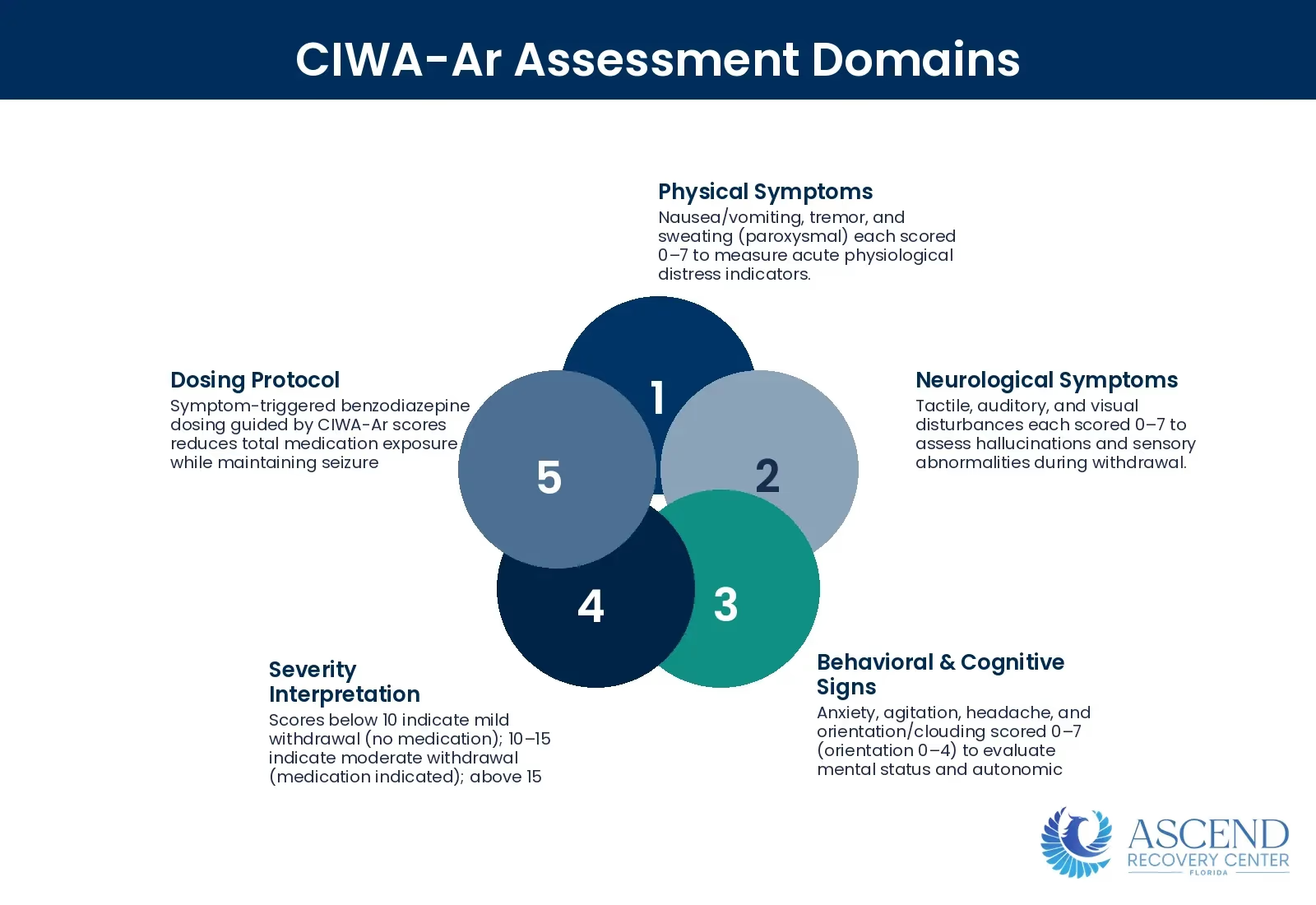
The 10 CIWA-Ar assessment domains are listed below.
- Nausea and vomiting (0–7)
- Tremor (0–7)
- Paroxysmal sweats (0–7)
- Anxiety (0–7)
- Agitation (0–7)
- Tactile disturbances (0–7)
- Auditory disturbances (0–7)
- Visual disturbances (0–7)
- Headache and fullness in head (0–7)
- Orientation and clouding of sensorium (0–4)
CIWA-Ar score interpretation: scores below 10 indicate mild withdrawal (medication not required in most cases); scores of 10–15 indicate moderate withdrawal (medication indicated); scores above 15 indicate severe withdrawal (continuous monitoring and aggressive pharmacological intervention required). CIWA-Ar assessments are administered every 1–4 hours depending on score. Florida DCF requires CIWA-Ar or an equivalent validated instrument as part of licensed detox protocols under Chapter 65D-30 F.A.C. The CIWA-Ar score does more than measure severity — it directly selects which medications are used during alcohol detox and the dose at which they are administered.
CIWA-Ar Score Interpretation
Medication not required in most cases; close monitoring continues every 1–4 hours
Medication indicated — benzodiazepine administration begins with symptom-triggered dosing protocol
Continuous monitoring and aggressive pharmacological intervention required — ICU-level care may be needed
FL DCF LicensedFARR CertifiedAlcohol withdrawal is one of two substance withdrawal syndromes — the other being benzodiazepine withdrawal — that produce life-threatening medical complications without pharmacological management. For any individual with physiological alcohol dependence, unmanaged cessation is not a clinical option.
What Medications Are Used During Alcohol Detox?
The FDA-approved primary medications for alcohol detox are benzodiazepines — diazepam (Valium), lorazepam (Ativan), and chlordiazepoxide (Librium) — which prevent seizures and reduce withdrawal severity by activating GABA-A receptors to substitute for alcohol's neurochemical effect. Benzodiazepines are the Level 1 evidence first-line treatment for alcohol withdrawal syndrome, recommended by ASAM clinical guidelines and the National Institute on Alcohol Abuse and Alcoholism.
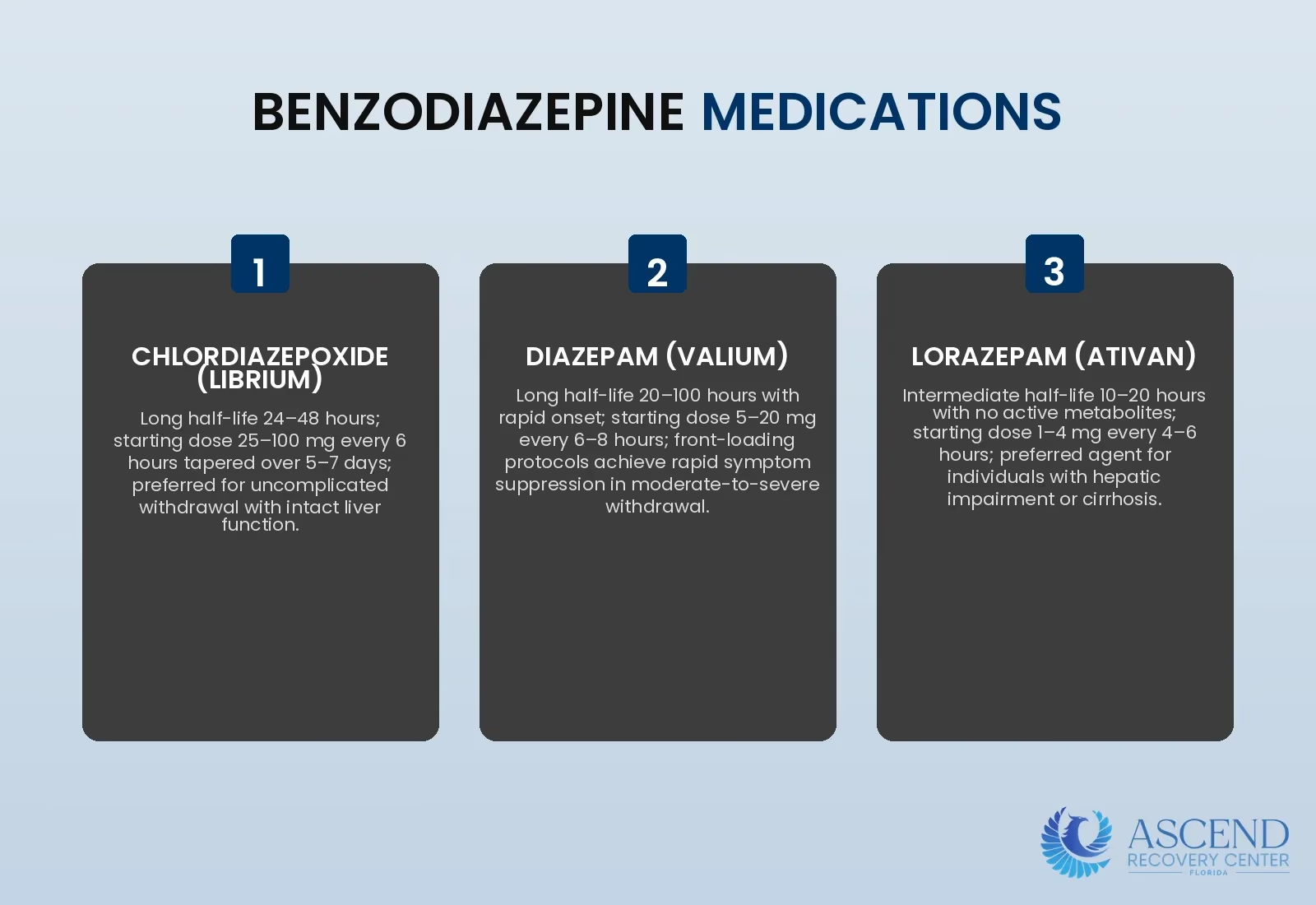
Three benzodiazepines most commonly used in Florida alcohol detox facilities are described below.
- Chlordiazepoxide (Librium) — long half-life of 24–48 hours provides smooth self-tapering with gradual elimination. Starting dose: 25–100 mg every 6 hours, not exceeding 300 mg in 24 hours, with taper over 5–7 days. Preferred for uncomplicated withdrawal in individuals with intact hepatic function.
- Diazepam (Valium) — long half-life of 20–100 hours including active metabolites, with rapid onset. Starting dose: 5–20 mg every 6–8 hours. Front-loading protocols using diazepam achieve rapid symptom suppression in moderate-to-severe withdrawal.
- Lorazepam (Ativan) — intermediate half-life of 10–20 hours, no active metabolites, metabolized by glucuronidation rather than hepatic oxidation. Starting dose: 1–4 mg every 4–6 hours. The preferred agent for individuals with hepatic impairment (cirrhosis, elevated AST/ALT) or in elderly populations.
Phenobarbital, a long-acting barbiturate, serves as the primary alternative for benzodiazepine-refractory withdrawal or in facilities using barbiturate-based protocols. Adjunctive medications used alongside first-line agents include the following.
- Carbamazepine — anticonvulsant that reduces withdrawal severity and seizure risk; used as a benzodiazepine alternative in mild-to-moderate withdrawal (CIWA-Ar below 15)
- Gabapentin — reduces anxiety, insomnia, and alcohol craving during and after acute withdrawal; doses of 900–1,800 mg per day demonstrate efficacy in randomized controlled trials published in Addiction Biology
- Thiamine (vitamin B1) — administered at 200–500 mg intravenously for 3–5 days to prevent Wernicke-Korsakoff syndrome, which affects 12–14% of chronic heavy drinkers (NIAAA). Thiamine is always administered before glucose in alcohol-dependent individuals.
- Folate and magnesium — address nutritional deficiencies present in the majority of individuals with chronic heavy alcohol use
These medications stabilize the body and prevent complications, but pharmacology alone does not resolve alcohol use disorder — which is why understanding the difference between alcohol detox and alcohol treatment determines whether recovery holds after the drugs are tapered off.
Alcohol Detox Medication Protocols
Chlordiazepoxide (Librium), diazepam (Valium), lorazepam (Ativan) — activate GABA-A receptors to prevent seizures over a 5-7 day supervised taper
Used for benzodiazepine-refractory withdrawal or in facilities preferring barbiturate-based protocols; long half-life provides smooth withdrawal suppression
200-500 mg IV for 3-5 days prevents Wernicke-Korsakoff syndrome; always administered before glucose in alcohol-dependent individuals
FL DCF LicensedFARR CertifiedDoes Your Insurance Cover Alcohol Addiction Education?
Free, confidential verification in under 15 minutes.
What Is the Difference Between Alcohol Detox and Alcohol Treatment?
Alcohol detox is the medical stabilization process that addresses physiological dependence; alcohol treatment is the behavioral health intervention that addresses the psychological, social, and environmental factors maintaining alcohol use disorder. Detox and treatment are two distinct clinical phases serving different purposes in the recovery continuum. Completion of one does not substitute for the other.
Five key differences between alcohol detox and alcohol treatment are described below.
- Duration — medical alcohol detox takes 5–7 days on average. Alcohol treatment at the PHP and IOP levels lasts 30–90 days or longer depending on clinical progress and ASAM criteria.
- Clinical focus — detox focuses on managing withdrawal symptoms, preventing medical complications (seizures, DTs), and achieving physiological stabilization. Treatment focuses on identifying AUD triggers, developing coping strategies, treating co-occurring mental health disorders including PTSD and major depressive disorder, and building relapse prevention skills.
- Interventions — detox uses pharmacological interventions: benzodiazepines, anticonvulsants, thiamine, and IV fluids. Treatment uses behavioral interventions: cognitive behavioral therapy (CBT), dialectical behavior therapy (DBT), motivational interviewing, group therapy, family therapy, and psychiatric medication management.
- Setting — detox requires 24-hour medical supervision at ASAM Level 3.7 or 4.0. Florida DCF licensure is required for Medicaid reimbursement at licensed detox facilities. Treatment occurs across the ASAM outpatient continuum: PHP (Level 2.5), IOP (Level 2.1), and standard outpatient (Level 1).
- Outcome — successful detox produces a medically stable, substance-free individual. Successful treatment produces sustained behavioral change, improved coping capacity, and measurably reduced relapse probability across 12-month follow-up periods.
NIDA data demonstrates that 85% of individuals who complete detox without follow-up treatment relapse within 12 months. Detox is the necessary first step for individuals with physiological dependence. Structured behavioral treatment is the required next step for sustained recovery. This detox-to-treatment continuum serves a large population: the NIAAA documents 28.9 million American adults meeting criteria for alcohol use disorder, yet fewer than 8% receive structured care in a given year — a gap that licensed facilities are built to close. Whether a facility can legally deliver medical detox and coordinate that step-down depends on state licensure, which in Florida is governed by specific DCF requirements for licensed detox facilities.
FL DCF LicensedFARR CertifiedWhat Are Florida's Requirements for Licensed Detox Facilities?
Florida requires all substance abuse detoxification facilities to hold DCF licensure under Florida Statute 397 — the Hal S. Marchman Alcohol and Other Drug Services Act — with specific standards for medical oversight, staffing, physical plant, and discharge planning. DCF-licensed detox facilities qualify for Florida Medicaid reimbursement under the Managed Medical Assistance (MMA) program. Facilities without DCF licensure do not qualify for Medicaid reimbursement. Palm Beach County had 14 DCF-licensed detox facilities as of 2024 (Florida DCF).
Florida DCF detox facility licensing requirements include the following.
- Medical director — a licensed physician (MD or DO) with addiction medicine or psychiatric credentials supervises all detoxification protocols and medication orders
- Nursing coverage — registered nurse (RN) availability 24 hours per day with capacity for continuous vital sign monitoring and CIWA-Ar administration every 1–4 hours
- Clinical staffing — licensed clinical staff (LMHC, LCSW, or licensed psychologist) available for biopsychosocial assessment and crisis intervention during the detox stay
- Medication management — written protocols for all detox medications, including benzodiazepine tapering schedules, phenobarbital protocols, and emergency seizure management procedures
- Discharge planning — documented step-down plan connecting each individual to ongoing ASAM-appropriate treatment following detox completion — a requirement under Chapter 65D-30 F.A.C.
Palm Beach County falls under Southeast Florida Behavioral Health Network (SEFBHN) oversight for DCF-funded detoxification services. Outpatient treatment programs operating under DCF licensure coordinate referrals to licensed medical detox and manage insurance pre-authorization during the detox stay to ensure continuity into step-down treatment. Court-mandated detox following a DUI conviction may be ordered under Florida's DUI laws requiring substance evaluation. Licensure guarantees a safe detox environment, but the discharge plan it mandates only matters if the individual follows it — which is why what happens after alcohol detox is the decisive factor in long-term recovery.
A CIWA-Ar score above 15 is a threshold, not a suggestion. Symptom-triggered benzodiazepine dosing guided by that threshold prevents seizures and reduces total medication exposure simultaneously. The protocol works when it is applied consistently — and that requires 24-hour nursing coverage.
What Happens After Alcohol Detox?
After alcohol detox, the individual transitions to structured behavioral addiction treatment at the PHP, IOP, or outpatient level of care based on ASAM placement criteria — within 24–48 hours of medical stabilization. NIDA research demonstrates that 85% of individuals who complete detox without same-week transition to treatment relapse within 12 months. The gap between detox discharge and treatment admission is the highest-risk period for relapse in the entire recovery continuum. Detox facility discharge planners coordinate admission timing with outpatient programs to minimize this gap. Many clients combine outpatient treatment with placement in sober living homes in Florida for additional recovery structure during early sobriety.
Three ASAM step-down treatment levels are available following alcohol detox in Florida.
- Partial Hospitalization Program (PHP) — ASAM Level 2.5. 5–6 days per week, 5–6 hours per day. Individual therapy, group therapy, psychoeducation, and psychiatric services. The appropriate first step for individuals completing medical detox who require intensive daily clinical structure before independent living.
- Intensive Outpatient Program (IOP) — ASAM Level 2.1. 3–5 days per week, 3 hours per day. Step-down from PHP for individuals demonstrating clinical stability and developing independent coping and relapse prevention skills.
- Outpatient Program — ASAM Level 1. 1–2 sessions per week. Continued clinical support for individuals maintaining recovery stability while reintegrating into employment, family, and community.
DCF-licensed outpatient programs in Palm Beach County coordinate directly with medical detox discharge planners and handle insurance pre-authorization for PHP and IOP during the detox stay to eliminate transition delays. before or during detox to confirm step-down benefits.
Can you safely detox from alcohol at home?
Common Misconception
"You can just quit drinking at home and ride out the withdrawal."
What the Evidence Shows
For moderate-to-severe alcohol dependence, quitting abruptly at home is dangerous — alcohol withdrawal can progress to seizures and delirium tremens, which can be fatal. Medically supervised detox manages withdrawal with benzodiazepines and continuous monitoring, then transitions into treatment. Home detox is appropriate only for mild cases and only with medical guidance; when in doubt, seek a clinical assessment first.
National Institute on Alcohol Abuse and Alcoholism (NIAAA); ASAM withdrawal management guideline.


