


Referenced in this article
Key Takeaways
- Drug overdose deaths exceeded 107,500 in the U.S. in 2023 — roughly 68% involved illicitly manufactured fentanyl, which is present in a growing proportion of all street drugs regardless of the substance category
- Opioid overdose is recognized by the triad of unresponsiveness, pinpoint pupils, and slow/stopped breathing — naloxone (Narcan) reverses opioid overdose within 2–5 minutes and is available without a prescription at Florida pharmacies
- The highest-risk period for fatal overdose is the 2–4 weeks following release from incarceration or discharge from treatment — tolerance resets rapidly during abstinence, making previously tolerated doses lethal
- Polysubstance use — particularly opioids combined with benzodiazepines, alcohol, or gabapentin — multiplies overdose risk dramatically above any single substance alone
- Florida's Good Samaritan Act (F.S. 893.21) protects those who call 911 during a drug overdose from prosecution for drug possession — do not let fear of legal consequences prevent calling for emergency help
What Is a Drug Overdose?
A drug overdose is a dose-dependent toxic exposure to a substance or combination of substances that overwhelms the body's ability to metabolize and manage the pharmacological effect. Overdose can occur intentionally (self-harm or suicidal intent) or unintentionally (misjudgment of dose, unexpected potency, or drug interaction). The clinical outcome ranges from temporary incapacitation to permanent neurological damage and death, depending on the substance, dose, route of administration, and how quickly medical intervention occurs.
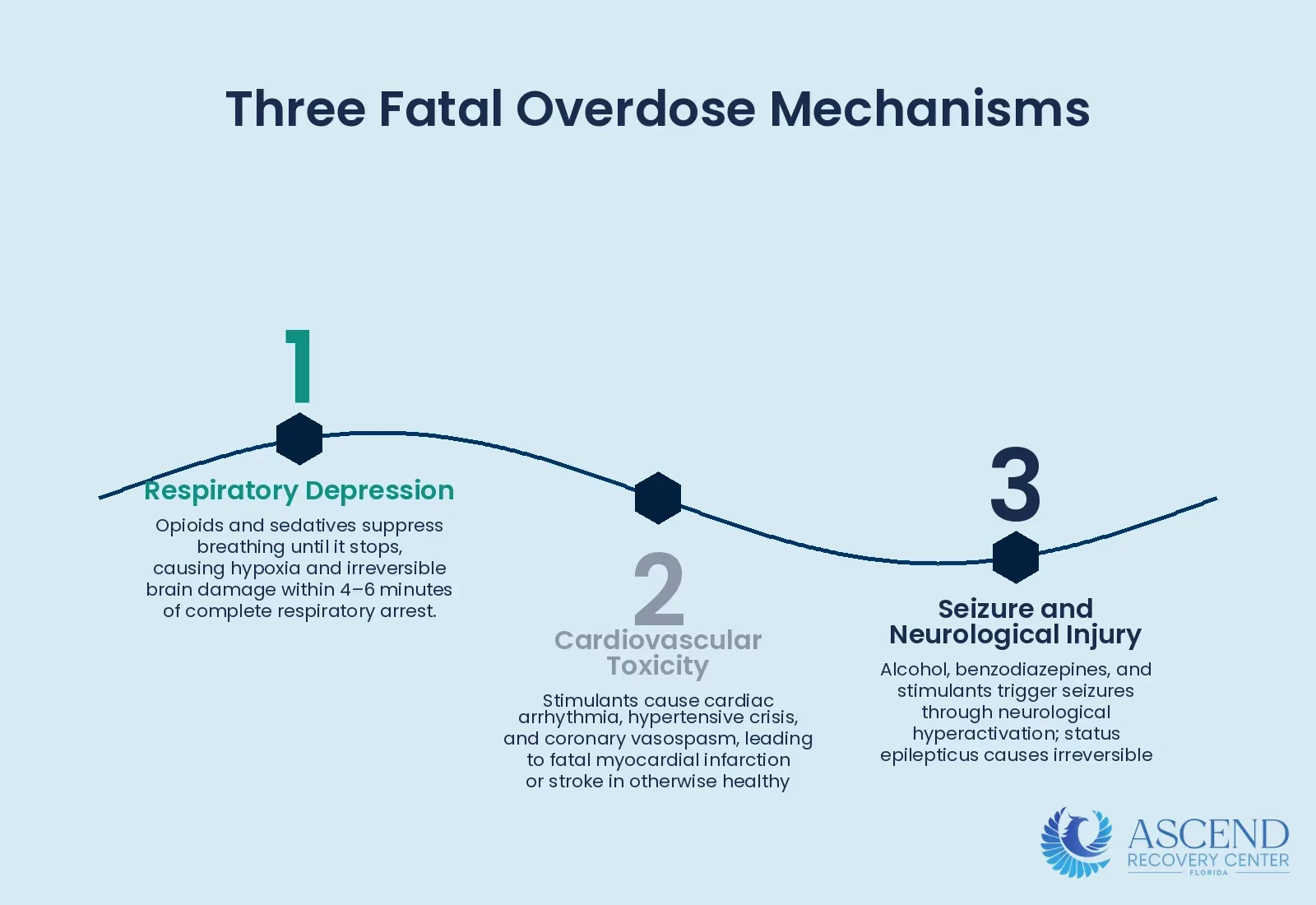
The following are the 3 primary mechanisms by which drug overdose causes death or permanent harm:
- Respiratory depression — The most common fatal mechanism in opioid and sedative overdose. Opioids, benzodiazepines, and alcohol suppress the brainstem's respiratory drive, reducing the rate and depth of breathing until it stops. Hypoxia — oxygen deprivation — begins within minutes and causes irreversible brain damage within 4–6 minutes of complete respiratory arrest. This is why rapid administration of naloxone in opioid overdose reverses fatal respiratory depression.
- Cardiovascular toxicity — Stimulant overdose (cocaine, methamphetamine, prescription stimulants) causes cardiac arrhythmia, hypertensive crisis, and coronary vasospasm. Cocaine overdose is the leading cause of drug-related cardiac events in emergency departments. Severe cardiovascular toxicity can cause fatal myocardial infarction or stroke even in otherwise young, healthy individuals.
- Seizure and neurological injury — Alcohol and benzodiazepine withdrawal (paradoxically a form of overdose on the abstinence side) cause potentially fatal seizures. Stimulant toxicity also causes seizures through dopaminergic and noradrenergic hyperactivation. Status epilepticus — prolonged or consecutive seizures without recovery of consciousness — causes neurological injury within minutes.
Fentanyl has fundamentally changed the overdose landscape. Unlike heroin, whose potency is relatively predictable within regional markets, illicitly manufactured fentanyl is distributed at varying concentrations — a single counterfeit pill may contain a lethal dose or a sub-recreational dose, with no reliable way for the user to distinguish. This unpredictability drives the current overdose mortality rate, which affects experienced users and first-time users at comparable rates. Xylazine — a veterinary sedative the White House designated an emerging drug threat in April 2023 — now adulterates a growing share of the fentanyl supply and does not respond to naloxone, prolonging sedation after the opioid component is reversed. Because opioids account for the largest share of overdose deaths, recognizing the signs of an opioid overdose is the first skill that saves lives.

U.S. Drug Overdose Deaths by Substance Class (2023)
Illicit fentanyl is 50–100× more potent than morphine; a lethal dose is invisible to the naked eye and is present in a growing proportion of all street drugs
Stimulant overdose deaths have tripled since 2015, driven by fentanyl contamination of cocaine and meth supplies as well as cardiac events from stimulant toxicity itself
Alcohol combined with opioids or benzodiazepines dramatically multiplies respiratory depression risk — the majority of overdose fatalities involve more than one substance

 FL DCF LicensedFARR Certified
What Are the Signs of an Opioid Overdose?
The signs of an opioid overdose are the three findings of the opioid overdose triad: unresponsiveness to voice or sternal rub, pinpoint pupils constricted to 1–2mm, and breathing that is slow (below 12 breaths per minute), shallow, or stopped. Opioid overdose is the most common and most preventable overdose type — and the only one with a direct antidote, naloxone (Narcan). Recognizing the triad allows naloxone administration within the critical window before respiratory arrest causes permanent brain injury:
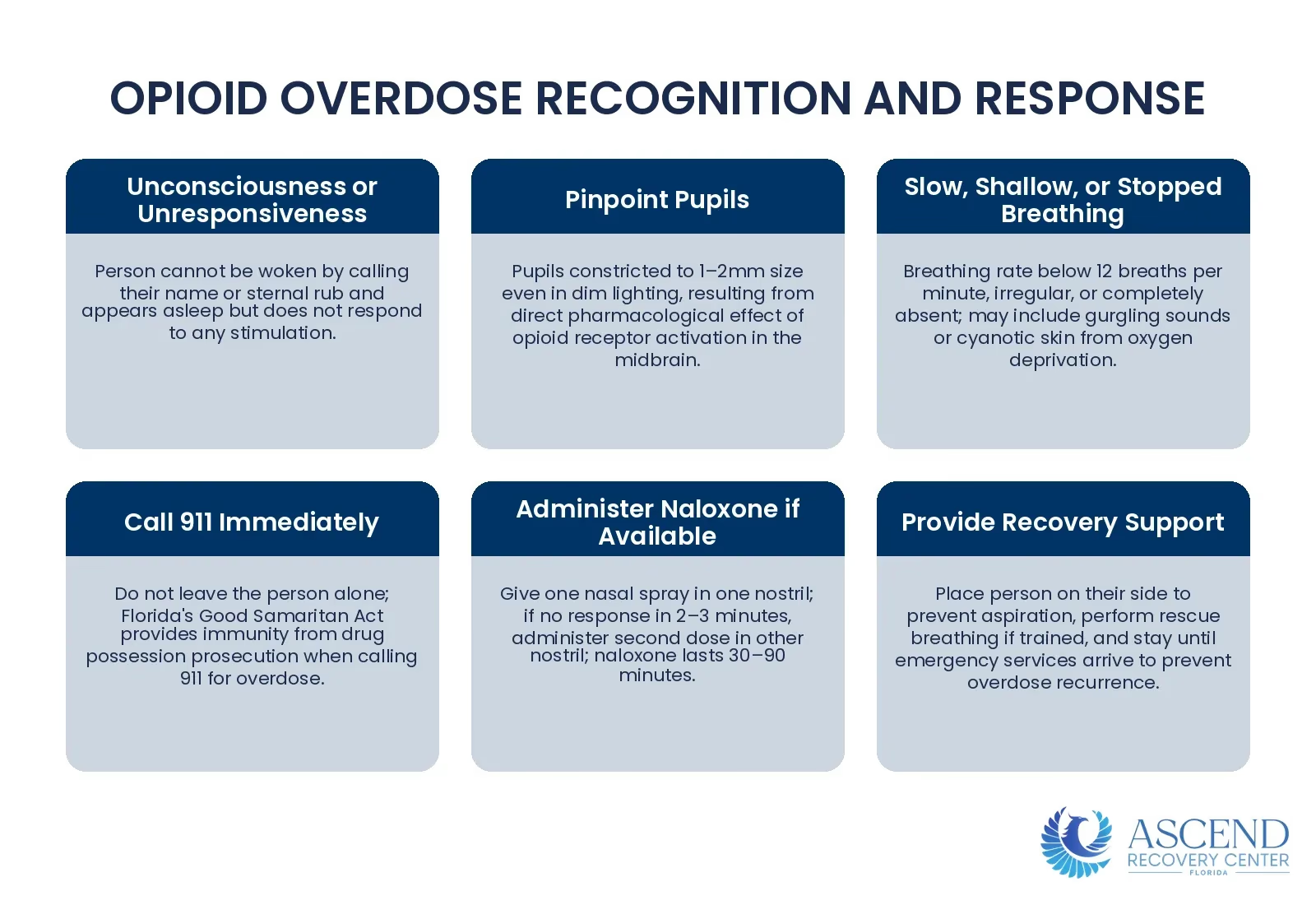
- Unconsciousness or unresponsiveness — The person cannot be woken by calling their name or by sternal rub (knuckle pressure applied firmly to the breastbone). They may appear asleep but do not respond to stimulation.
- Pinpoint pupils — Even in dim lighting, the pupils are constricted to 1–2mm — the size of a pin head. This miosis (pupil constriction) is a direct pharmacological effect of opioid receptor activation in the midbrain.
- Slow, shallow, or stopped breathing — Breathing rate is below 12 breaths per minute, shallow and irregular, or completely absent. The person may be making gurgling or choking sounds (the "death rattle" — partial airway obstruction from relaxed throat muscles) or may be silent and cyanotic (blue or gray skin, lips, or fingertips from oxygen deprivation).
Additional signs include: limp body, pale and clammy skin, slow or stopped heartbeat, gurgling or snoring sounds indicating partial airway obstruction. Any person displaying 2 of the 3 triad signs — unresponsiveness, pinpoint pupils, respiratory depression — should be treated as an opioid overdose emergency.
What to do during an opioid overdose:
- Call 911 immediately — do not leave the person alone
- Administer naloxone (Narcan) nasal spray if available — one spray in one nostril. If no response in 2–3 minutes, administer a second dose in the other nostril
- Place the person in the recovery position if breathing — on their side with their top knee bent forward to prevent aspiration if vomiting occurs
- Perform rescue breathing if trained — tilt the head back, lift the chin, and give one breath every 5 seconds if the person is not breathing
- Stay with the person until emergency services arrive — opioid overdose can recur if the opioid outlasts the naloxone effect (naloxone lasts 30–90 minutes; fentanyl may persist longer)
Florida's Good Samaritan Act (Florida Statute 893.21) provides immunity from prosecution for drug possession when a person in good faith calls 911 to report an overdose. Do not hesitate to call for help due to fear of legal consequences. Stimulant overdose presents with the opposite physiology, and its warning signs demand a different emergency response.
What Are the Signs of a Stimulant Overdose?
The signs of a stimulant overdose are chest pain, racing or irregular heartbeat, blood pressure above 180/120 mmHg, severe headache, seizures, paranoia, extreme agitation, and core body temperature above 104°F (40°C). Stimulant overdose — from cocaine, methamphetamine, MDMA, or prescription stimulants — presents with the opposite physiology of opioid overdose: hyperactivation of the cardiovascular and nervous systems. Its primary fatal mechanisms are cardiac arrhythmia, hyperthermia, and stroke:
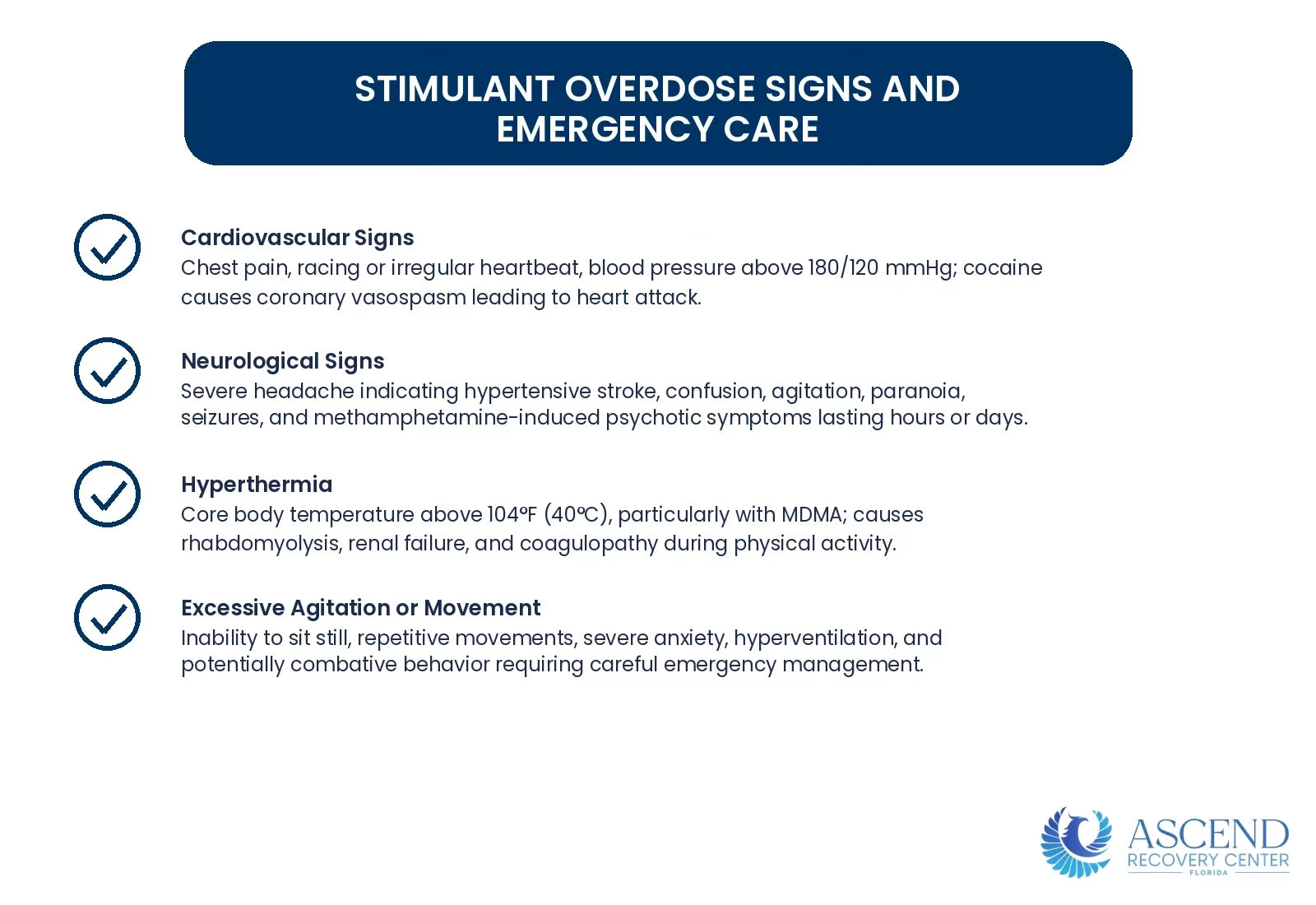
- Cardiovascular signs — Chest pain or tightness, racing or irregular heartbeat (palpitations), very high blood pressure (often above 180/120 mmHg). Cocaine causes coronary vasospasm — constriction of heart arteries — that can cause myocardial infarction even in individuals with no prior cardiac disease.
- Neurological signs — Severe headache (may indicate hypertensive stroke), confusion, agitation, paranoia, and seizures. Methamphetamine toxicity frequently produces psychotic symptoms — hallucinations, paranoid delusions, aggressive behavior — that persist for hours or days after acute intoxication.
- Hyperthermia — Core body temperature above 104°F (40°C). MDMA (ecstasy) is particularly associated with life-threatening hyperthermia, especially in contexts involving physical activity and hot environments. Hyperthermia drives rhabdomyolysis (muscle breakdown), renal failure, and coagulopathy.
- Excessive agitation or movement — Inability to sit still, repetitive movements, severe anxiety, hyperventilation. The person may be extremely agitated or combative.
What to do during a stimulant overdose:
- Call 911 — stimulant overdose is a cardiovascular and neurological emergency requiring hospital intervention
- Keep the person calm and cool — remove them from hot environments, apply cool water to skin
- Do not restrain a person who is agitated unless necessary to prevent self-harm — physical restraint during stimulant agitation can trigger sudden cardiac arrest
- Do not give water to an unconscious person — aspiration risk
- Provide EMS with accurate information about what substances were taken, estimated time and amount
There is no antidote to stimulant overdose comparable to naloxone for opioids. Treatment is supportive — IV benzodiazepines for agitation and seizures, cooling measures for hyperthermia, cardiac monitoring, and antihypertensives for severe blood pressure elevation. Alcohol overdose, clinically termed alcohol poisoning, is a third distinct emergency with its own life-threatening thresholds.
An overdose is not a failure — it is a medical event, and like any medical event, it creates an opening for intervention. The post-overdose period is the highest-leverage clinical opportunity we have. People are shaken, they're open to conversation in a way they haven't been before. That window must be used, not wasted.
What Are the Signs of an Alcohol Overdose (Alcohol Poisoning)?
The signs of an alcohol overdose (alcohol poisoning) are confusion or unconsciousness that stimulation cannot reverse, vomiting while unconscious, seizures, breathing below 8 breaths per minute, pale or bluish skin, and hypothermia. Alcohol poisoning occurs when blood alcohol concentration (BAC) suppresses the central nervous system toward respiratory depression, aspiration, and cardiovascular collapse — and it kills approximately 2,200 Americans annually. These signs require emergency care:
- Mental status changes — Confusion, stupor, or complete loss of consciousness that cannot be reversed by stimulation
- Vomiting while unconscious or semi-conscious — The most immediately dangerous feature of alcohol poisoning — the gag reflex is suppressed, creating aspiration risk. The person should always be placed on their side (recovery position) if unconscious or vomiting
- Seizures — Can occur either from very high BAC (acute poisoning) or from alcohol withdrawal in a person with chronic heavy use who has stopped or reduced drinking
- Slow, irregular, or stopped breathing — Fewer than 8 breaths per minute, or a 10-second pause between breaths
- Pale, bluish, or very cold and clammy skin — Peripheral vasoconstriction and cyanosis from hypoxia
- Hypothermia — Alcohol causes peripheral vasodilation, accelerating heat loss. Outdoor or cold-environment exposure combined with alcohol intoxication dramatically increases hypothermia risk
The "sleep it off" approach to alcohol poisoning is medically dangerous. BAC continues to rise for 30–40 minutes after drinking stops as alcohol in the gastrointestinal tract continues to absorb. A person who appears "just very drunk" may be moving toward a BAC that is lethal. Call 911 and place the person on their side. Never leave an unconscious intoxicated person alone. Whether the substance is alcohol, an opioid, or a stimulant, specific risk factors for drug overdose determine who reaches these thresholds.
Blood Alcohol Concentration (BAC) and Clinical Effects
Legal intoxication to heavy impairment — slurred speech, poor coordination, impaired judgment. Not overdose, but risk of aspiration if vomiting while intoxicated
Severe impairment — confusion, stupor, vomiting, risk of aspiration. Medical monitoring required, particularly if the person becomes unconscious
Life-threatening alcohol poisoning — loss of consciousness, respiratory depression, hypothermia, seizure risk. Requires emergency medical intervention immediately
FL DCF LicensedFARR CertifiedDoes Your Insurance Cover Addiction Education?
Free, confidential verification in under 15 minutes.
What Are the Risk Factors for Drug Overdose?
The 8 most significant risk factors for drug overdose are recent abstinence, fentanyl contamination of the drug supply, using alone, polysubstance use, high-dose or binge use, injection administration, co-occurring medical conditions, and mental health conditions. Each factor multiplies overdose probability above baseline and directs both prevention and treatment targeting:
- Recent period of abstinence — The highest-risk window for fatal overdose is the 2–4 weeks following release from incarceration, discharge from residential treatment, or completion of medical detox. Tolerance decreases rapidly during abstinence — a dose that was tolerated before abstinence becomes lethal when tolerance has reset. This makes the immediate post-treatment or post-incarceration period the most dangerous in an individual's life.
- Fentanyl contamination of the drug supply — Illicitly manufactured fentanyl (IMF) is present in a growing proportion of all street drugs — not only heroin, but cocaine, methamphetamine, counterfeit opioid pills, and benzodiazepines. Individuals who believe they are using a known substance may unknowingly ingest a lethal dose of fentanyl. Fentanyl test strips can detect presence but not concentration.
- Using alone — Solitary use is one of the most consistent overdose mortality risk factors because no one is present to administer naloxone, call 911, or place the person in the recovery position if overdose occurs. Never use alone is a harm reduction principle supported by all addiction medicine organizations.
- Polysubstance use — Combining opioids with benzodiazepines, alcohol, or gabapentin produces synergistic CNS depression far greater than any single substance alone. The FDA's black box warning on opioid-benzodiazepine co-prescription reflects this elevated mortality risk.
- High dose use or binge pattern — Tolerance is substance-specific and time-specific. A high-dose binge after a period of lighter use can exceed metabolic capacity and produce overdose even in experienced users.
- Injection route of administration — Intravenous administration delivers the full dose to the bloodstream within seconds, dramatically reducing the window for intervention. Smoking, snorting, and oral routes produce slower absorption, providing slightly more warning time before overdose peaks.
- Co-occurring medical conditions — Respiratory conditions (COPD, sleep apnea), cardiac disease, hepatic disease, and renal disease reduce the body's ability to manage substance toxicity and lower the overdose threshold for opioids and alcohol.
- Mental health conditions — Depression, PTSD, and suicidality are associated with intentional overdose and with patterns of use that increase unintentional overdose risk. Co-occurring psychiatric conditions require concurrent treatment in any comprehensive addiction recovery plan.
Every risk factor on this list converges on one intervention: naloxone (Narcan), the medication that reverses opioid overdose.
What Is Naloxone (Narcan) and How Is It Used?
Naloxone is an opioid antagonist that reverses opioid overdose by rapidly displacing opioids from receptor binding sites in the brain, restoring normal respiratory drive within 2–5 minutes of administration. Naloxone is FDA-approved, widely available without a prescription in Florida, and safe to administer even if opioid overdose is uncertain — it produces no harmful effect in the absence of opioids.
Forms of naloxone available without a prescription in Florida:
- Narcan nasal spray (4mg) — The most widely distributed form. Delivered by inserting the nozzle into one nostril and pressing the plunger. No assembly required. If no response in 2–3 minutes, administer a second dose in the other nostril.
- Kloxxado nasal spray (8mg) — Higher-dose formulation developed specifically for fentanyl overdose, which may require higher naloxone doses due to the drug's binding affinity and potency.
- Injectable naloxone (0.4mg/mL) — Available as a vial for intramuscular, subcutaneous, or intravenous injection. Used primarily by emergency medical personnel.
Key limitations of naloxone:
- Naloxone does not reverse stimulant overdose (cocaine, methamphetamine), benzodiazepine overdose, or alcohol poisoning — it is opioid-specific
- Naloxone's duration of action (30–90 minutes) may be shorter than the opioid's duration, particularly with fentanyl analogs and long-acting opioids — repeat dosing and continued monitoring are essential
- Naloxone precipitates acute opioid withdrawal, which causes agitation and discomfort — the awakened person may resist further medical care. Prevent them from using more opioids until re-evaluated
The FDA addressed this duration mismatch in May 2023 by approving nalmefene nasal spray (Opvee, 2.7mg), a longer-acting opioid antagonist developed for fentanyl-era overdose reversal.
Florida law (Florida Statute 381.887) authorizes pharmacists to dispense naloxone without a prescription under a statewide standing order. NEXT Distro and Narcan.com provide free or low-cost naloxone by mail in Florida. Every household with a member using opioids — prescribed or illicit — must have naloxone and know how to use it. Naloxone reversal is the first step; what happens after a drug overdose determines whether it is the last one.
The fentanyl era has changed the calculus. We used to discuss overdose risk in terms of dose escalation over years. Now we see fatal overdoses in first-time users and in experienced users who thought they knew exactly what they were taking. Naloxone access and never using alone are not optional harm reduction strategies anymore — they are basic safety requirements.
What Happens After a Drug Overdose? Treatment and Next Steps
An overdose event is a clinical inflection point — the highest-leverage moment for engaging addiction treatment, because medical urgency creates openness to intervention that is rarely present in stable active addiction. Research consistently shows that individuals who receive treatment engagement immediately following overdose have substantially better long-term outcomes than those who receive only medical stabilization. The following are the 4 steps in the post-overdose care pathway:
- Emergency medical stabilization — Hospital emergency department management addresses the immediate physiological crisis: naloxone for opioid overdose, supportive care for stimulant or alcohol overdose, medical monitoring for post-overdose complications including aspiration pneumonia, cardiac events, and neurological injury.
- Withdrawal management and medical detox — Following stabilization, most individuals require structured medical detox to safely clear substances from the system and manage withdrawal. Medically supervised detox is the appropriate first step for individuals with physical dependence on opioids, alcohol, or benzodiazepines. DCF-licensed detox facilities in Florida provide same-week transition coordination to structured outpatient programming.
- Medication-assisted treatment (MAT) initiation — For opioid overdose survivors, buprenorphine (Suboxone) initiation during the emergency department visit — now called the ED-BRIDGE protocol — reduces 30-day overdose recurrence by 40% compared to referral alone. Extended-release naltrexone (Vivitrol) initiated at the time of inpatient discharge reduces re-hospitalization for overdose. MAT is maintained through PHP and IOP programming.
- Structured outpatient treatment — PHP (25+ hours/week) or IOP (9–15 hours/week) addresses the behavioral, psychological, and social dimensions of addiction that drove the overdose event. Treatment planning identifies specific overdose risk factors — isolation, polysubstance use, post-abstinence relapse — and builds individualized relapse prevention strategies targeting those factors.
One myth still delays the first step of this pathway: the belief that a person can sleep off an overdose.
Florida's DCF-licensed drug detox programs coordinate directly with PHP and IOP programs to eliminate gaps between medical stabilization and structured treatment. before discharge — most PPO plans cover the full continuum from detox through outpatient.
Can someone just 'sleep off' an overdose?
Common Misconception
"If someone overdoses, you can let them sleep it off until it wears off."
What the Evidence Shows
No — an opioid overdose is respiratory depression that can become fatal within minutes, and 'sleeping it off' can be fatal. Call 911 immediately and administer naloxone if available. The CDC documents that the overwhelming majority of overdose deaths are witnessed or occur where intervention was possible. Naloxone reverses opioid overdose in 2–3 minutes and is now available over the counter. Florida's Good Samaritan law protects callers seeking emergency help.
Centers for Disease Control and Prevention, Overdose Prevention; FDA approval of OTC naloxone (Narcan), 2023.
An overdose survived is a treatment window open. Ascend Recovery Center in Palm Beach Gardens provides PHP and IOP admission following medical stabilization — contact the admissions team inside the 72-hour engagement window.


