


Referenced in this article
Key Takeaways
- Addiction falls into two primary categories — substance use disorder (alcohol, opioids, stimulants, cannabis, benzodiazepines) and behavioral addiction (gambling, gaming, compulsive sexual behavior) — both driven by dysfunction in the brain's dopaminergic reward circuits.
- The DSM-5 formally classifies substance use disorders across 10 drug classes and recognizes gambling disorder as the only behavioral addiction with equivalent diagnostic status; the ICD-11 additionally recognizes gaming disorder and compulsive sexual behavior disorder.
- All addictions share three stages of neurobiological dysfunction: binge/intoxication (reward circuit hyperactivation), withdrawal/negative affect (reward circuit suppression), and preoccupation/craving (prefrontal cortex impairment).
- Polysubstance use disorder — simultaneous dependence on two or more substances — affects approximately 1 in 4 adults in treatment and increases medical complexity, withdrawal risk, and treatment intensity requirements.
- Treatment differs by addiction type primarily in pharmacological management — opioid and alcohol use disorders have FDA-approved medications that substantially improve outcomes — while evidence-based behavioral therapies work across all addiction types.
What Are the Two Primary Categories of Addiction?
Substance addiction and behavioral addiction are distinguished by the source of reward activation — one involves an external chemical, the other activates reward pathways through behavior — but they converge on the same neurobiological endpoint: dysfunction of the dopaminergic reward system and prefrontal cortical control. The following are the defining features of each category:
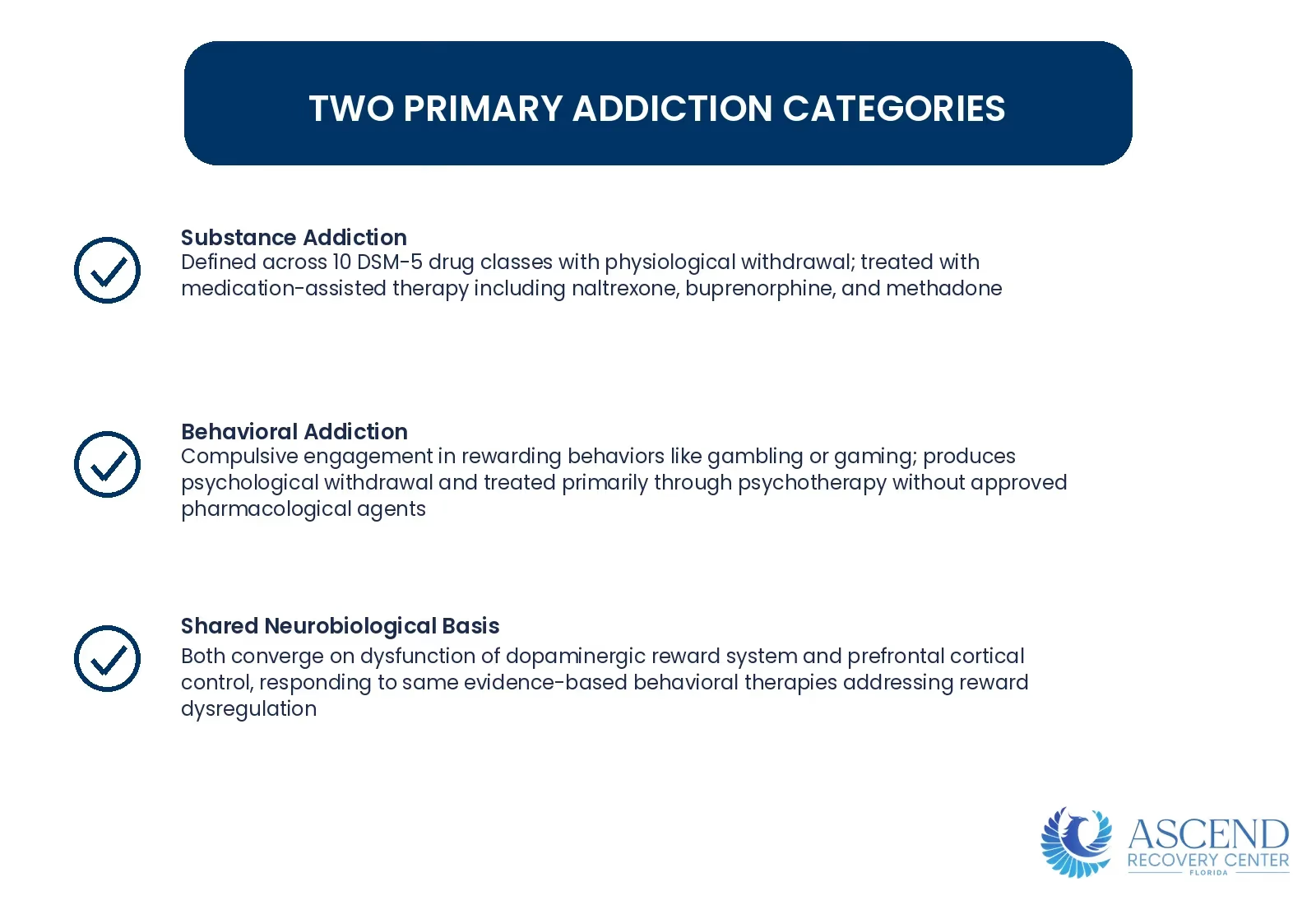
Substance addiction (substance use disorder, or SUD):
- Defined in DSM-5 across 10 drug classes: alcohol, caffeine, cannabis, hallucinogens, inhalants, opioids, sedatives/hypnotics/anxiolytics, stimulants, tobacco, and other/unknown substances
- Severity classified as mild (2–3 criteria met), moderate (4–5 criteria), or severe (6+ criteria) on the 11-criterion DSM-5 SUD diagnostic checklist
- Physiological withdrawal occurs with alcohol, opioids, benzodiazepines, and to varying degrees with cannabis, stimulants, and nicotine
- Pharmacological treatments (medication-assisted treatment, or MAT) are evidence-based for opioid use disorder (buprenorphine, methadone, naltrexone), alcohol use disorder (naltrexone, acamprosate, disulfiram), and nicotine use disorder (varenicline, bupropion, NRT)
Behavioral addiction:
- Defined by compulsive engagement in a naturally rewarding behavior despite negative consequences — gambling, gaming, compulsive sexual behavior, compulsive buying, binge eating, exercise addiction
- The DSM-5 formally recognizes only gambling disorder as a behavioral addiction; internet gaming disorder appears in DSM-5 Section III (conditions for further study); compulsive sexual behavior disorder is recognized in ICD-11 (WHO, 2019)
- No physiological withdrawal syndrome in the classical sense, though many behavioral addictions produce psychological withdrawal (irritability, anxiety, restlessness) when the behavior is interrupted
- Treatment is primarily psychotherapeutic — CBT, motivational interviewing, 12-step facilitation — without approved pharmacological agents for most behavioral addictions (though naltrexone shows efficacy for gambling disorder)
The critical insight for treatment: both substance and behavioral addictions are addressed within the same clinical framework, using evidence-based behavioral therapies that address the underlying reward dysregulation, regardless of the substance or behavior involved.

Substance Addiction vs. Behavioral Addiction
DSM-5 classified across 10 drug classes. Involves an exogenous chemical that directly activates reward circuits. Withdrawal syndromes are physiological. Treatment includes medications (MAT) for opioid, alcohol, and nicotine disorders.
Driven by naturally rewarding behaviors (gambling, gaming, sex, food) that trigger pathological dopamine release. No exogenous substance involved. Treatment is primarily behavioral — CBT, DBT, motivational interviewing, and 12-step facilitation.

 FL DCF LicensedFARR Certified
What Are the Most Common Types of Substance Addiction?
The DSM-5 classifies substance use disorders across 10 drug classes, each sharing the same 11 diagnostic criteria — but differing in withdrawal syndrome, medical risk, pharmacological treatment options, and recovery trajectory. The following are the clinically significant substance addiction types and their defining features:
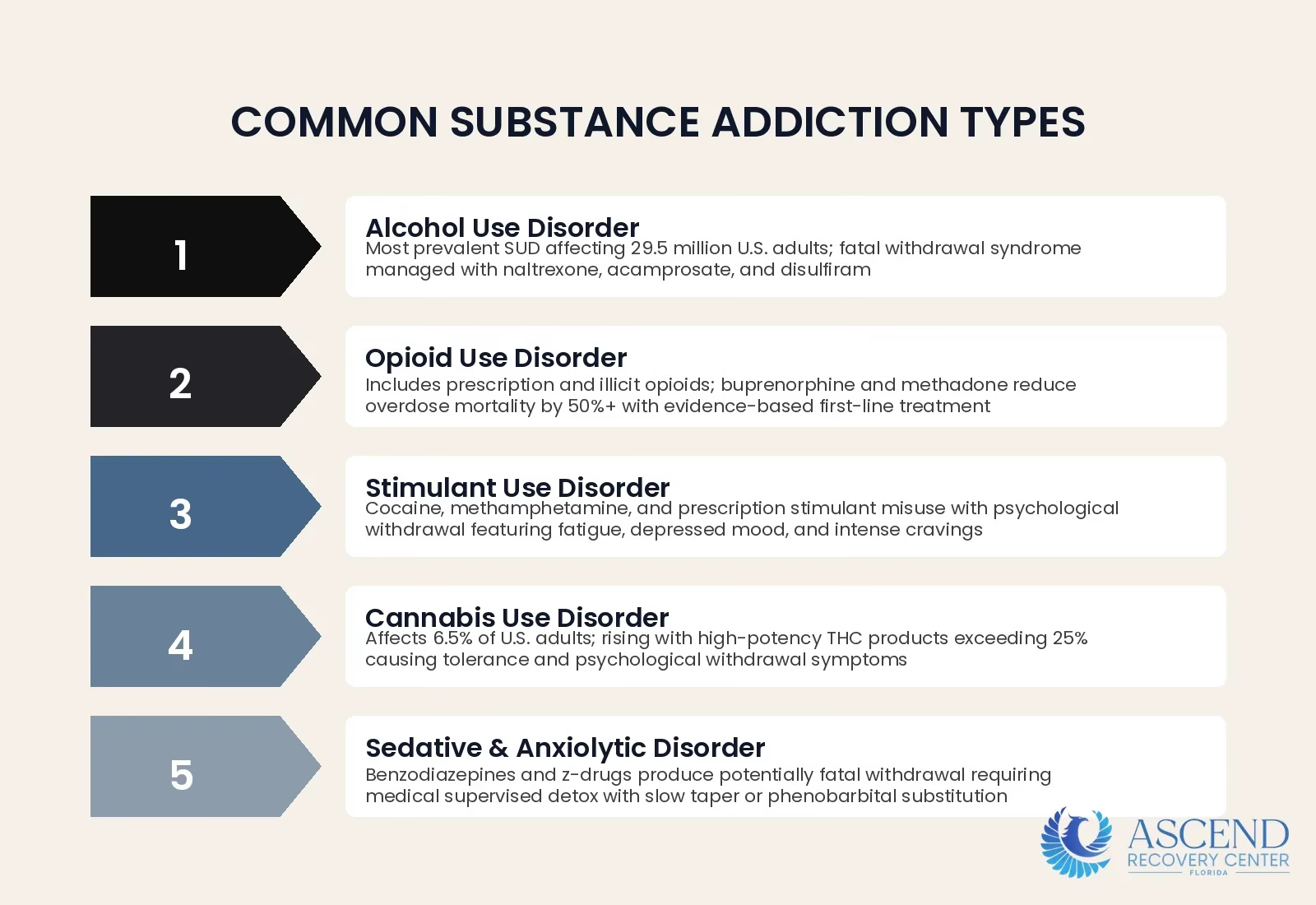
- Alcohol use disorder (AUD): the most prevalent SUD in the United States, affecting 29.5 million adults; characterized by loss of control over drinking, continued drinking despite consequences, and physiological dependence producing a withdrawal syndrome that can be fatal without medical management. MAT options include naltrexone, acamprosate, and disulfiram.
- Opioid use disorder (OUD): includes prescription opioid misuse (hydrocodone, oxycodone, fentanyl patches) and illicit opioid use (heroin, illicit fentanyl); characterized by tolerance, physical dependence, and withdrawal producing profoundly uncomfortable (though rarely directly fatal) flu-like symptoms; buprenorphine and methadone are first-line FDA-approved MAT medications with 50%+ reduction in overdose mortality
- Stimulant use disorder: includes cocaine, methamphetamine, and prescription stimulant misuse (Adderall, Ritalin); no FDA-approved MAT; withdrawal syndrome is psychological rather than physiological — characterized by extreme fatigue, depressed mood, increased sleep, and intense cravings ("crash") following a stimulant binge
- Cannabis use disorder: affects 6.5% of U.S. adults; under-recognized due to social normalization; characterized by tolerance, continued use despite impaired functioning, and psychological withdrawal — insomnia, irritability, depressed appetite — upon cessation; prevalence of cannabis use disorder has risen with high-potency THC products (>25% THC) displacing traditional cannabis
- Sedative, hypnotic, and anxiolytic use disorder: includes benzodiazepines (Xanax, Klonopin, Valium), barbiturates, and z-drugs (Ambien, Lunesta); withdrawal produces a potentially fatal syndrome comparable in severity to alcohol withdrawal, requiring medical supervised detox with a slow taper or phenobarbital substitution
Substance Use Disorder Prevalence — U.S. Adults (SAMHSA 2023)
Most prevalent SUD in the U.S. — 11.2% of adults 18+ meet AUD criteria; only 8.8% of those received treatment in the past year
Cannabis use disorder affects 6.5% of adults; prevalence has risen with legalization and higher-potency products; DSM-5 criteria parallel other SUD diagnoses
Prescription opioids and illicit opioids (heroin, fentanyl) collectively; 80,000+ annual overdose deaths involving opioids; FDA-approved MAT reduces overdose mortality by 50%
Includes methamphetamine (3.2M), cocaine (1.6M), and prescription stimulant misuse; stimulant overdose deaths have tripled since 2015, driven by fentanyl contamination
Prescription benzodiazepines and other CNS depressants; severe withdrawal risk — benzodiazepine withdrawal produces a syndrome comparable to alcohol withdrawal in medical severity
Most prevalent addictive disorder globally; while not a primary treatment focus at residential programs, nicotine use disorder is increasingly addressed in comprehensive addiction treatment
FL DCF LicensedFARR CertifiedWhat Are the Recognized Types of Behavioral Addiction?
Behavioral addiction is characterized by compulsive engagement in a rewarding behavior — gambling, gaming, sexual activity, eating, shopping, or exercise — that produces the same dopaminergic reward circuit activation as addictive substances, driving the same patterns of escalation, loss of control, and continuation despite harm. The following are the primary recognized behavioral addictions:
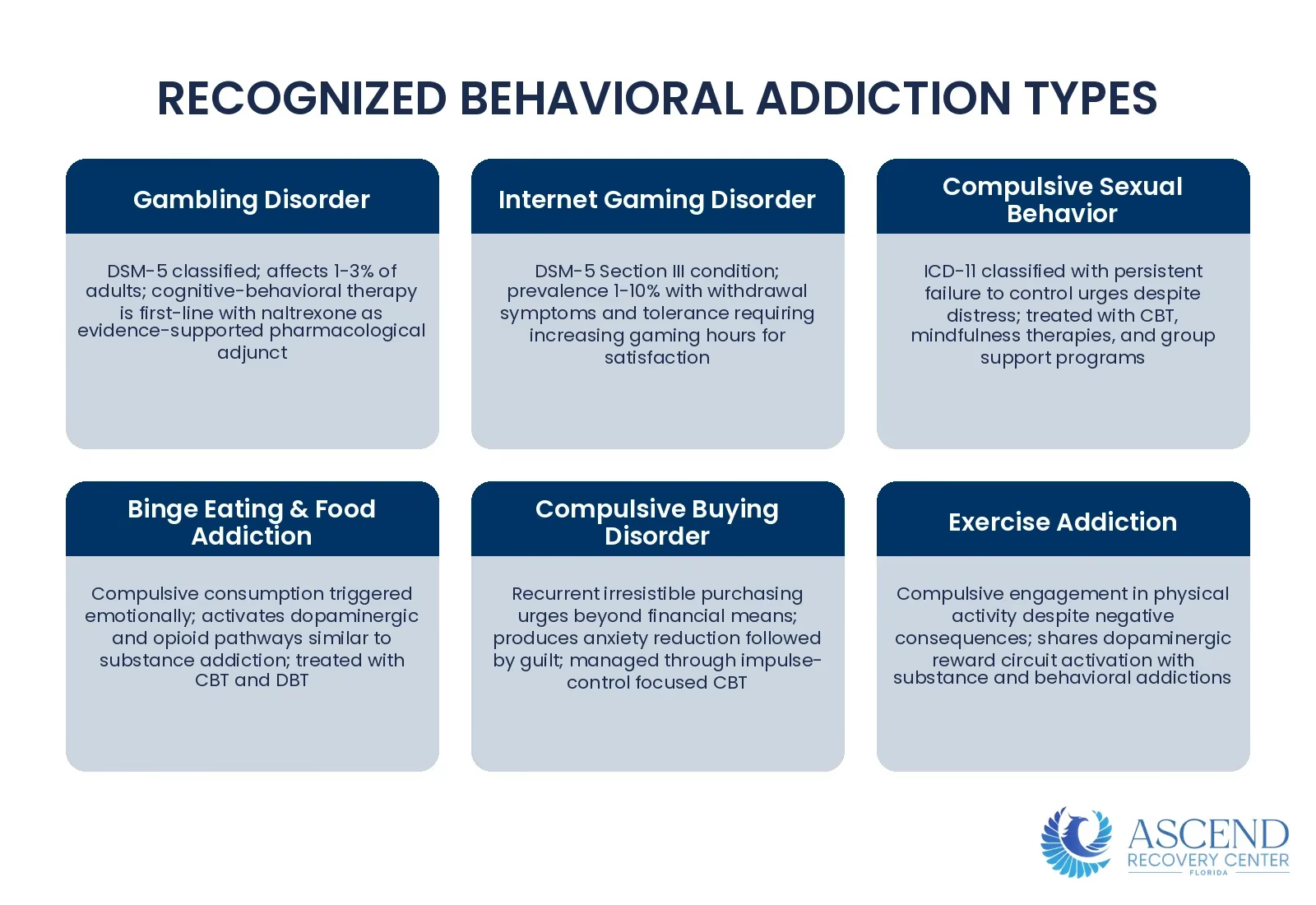
- Gambling disorder (DSM-5 classified): the most extensively researched behavioral addiction; defined by 4+ of 9 DSM-5 criteria including chasing losses, betting increasing amounts to achieve excitement, lying about gambling, and jeopardizing relationships or employment; affects 1–3% of adults; cognitive-behavioral therapy is first-line treatment; naltrexone (opioid antagonist) is the most evidence-supported pharmacological adjunct
- Internet gaming disorder (DSM-5 Section III): proposed criteria include persistent preoccupation with internet games, withdrawal symptoms when gaming is removed, tolerance (needing increasing hours to achieve satisfaction), and continued gaming despite loss of relationships or career; prevalence estimates of 1–10% vary significantly by measurement criteria and population
- Compulsive sexual behavior disorder (ICD-11 classified): characterized by persistent failure to control sexual urges despite significant distress, interpersonal harm, or life disruption; not classified as an addiction in DSM-5 (appears in ICD-11 under impulse-control disorders); treated with CBT, mindfulness-based therapies, and group support programs
- Binge eating disorder and food addiction: compulsive consumption of large quantities of food in response to emotional triggers rather than physiological hunger; overlaps with substance addiction in dopaminergic and opioid pathway activation by highly palatable (high-sugar, high-fat) foods; treated with CBT, dialectical behavior therapy (DBT), and nutritional counseling
- Compulsive buying / shopping disorder: recurrent, irresistible urges to purchase items beyond financial means or practical need; associated with anxiety reduction and mood elevation during purchasing followed by guilt and financial harm; not DSM-5 classified; treated with CBT addressing impulse control and emotional regulation
Behavioral addictions co-occur with substance use disorders at rates substantially higher than would be expected by chance — the National Problem Gambling Helpline data shows that 25–30% of pathological gamblers also meet criteria for alcohol use disorder, and research consistently links behavioral addiction with elevated rates of depression, anxiety, and trauma history.
Addiction is a treatable, chronic medical disease involving complex interactions among brain circuits, genetics, the environment, and an individual's life experiences. People with addiction use substances or engage in behaviors that become compulsive and often continue despite harmful consequences.
Why Do All Types of Addiction Share Common Features?
All addictions — substance and behavioral — produce lasting changes in the same three interconnected brain circuits: the reward circuit (mesolimbic dopamine system), the prefrontal control system (executive function and decision-making), and the stress/craving circuit (extended amygdala and CRF system). These shared neurobiological mechanisms explain why diverse substances and behaviors produce similar clinical presentations and why evidence-based treatments work across addiction types.
The following are the 3 stages of addiction and the brain systems involved in each:
- Binge/Intoxication Stage: driven by the mesolimbic dopamine system — the nucleus accumbens, ventral tegmental area (VTA), and caudate — where both substances (by direct pharmacological action) and rewarding behaviors (by natural reward processing) produce supraphysiological dopamine release; with repeated exposure, dopamine D2 receptor density decreases, producing tolerance and requiring greater substance/behavior exposure to achieve the same reward
- Withdrawal/Negative Affect Stage: driven by the extended amygdala and corticotropin-releasing factor (CRF) system — when the substance or behavior is absent, dopamine transmission in reward circuits drops below baseline, producing the withdrawal dysphoria (anxiety, irritability, anhedonia, depressed mood) that drives compulsive use to re-establish normal mood; this is the stage at which addiction transitions from pleasure-seeking to distress-avoidance
- Preoccupation/Anticipation Stage (Craving): driven by prefrontal cortex dysfunction — reduced activity in the prefrontal cortex (the brain's executive control system) impairs inhibitory control, making it progressively more difficult to resist cravings; this explains why intellectual understanding that addiction is harmful does not prevent continued use — the neurological capacity for top-down control is itself impaired by the addiction process
Evidence-based treatments — CBT, DBT, motivational interviewing, 12-step facilitation, and MAT — work at different points in these three stages: MAT medications reduce withdrawal and craving, CBT restructures preoccupation-stage thought patterns, and behavioral therapy rebuilds prefrontal inhibitory control through practiced decision-making in high-risk contexts.
Does Your Insurance Cover Addiction Education?
Free, confidential verification in under 15 minutes.
What Is Polysubstance Use Disorder?
Polysubstance use disorder — also called co-occurring substance use disorders — describes simultaneous dependence on two or more substances, which substantially increases medical complexity, withdrawal risk, and treatment requirements compared to single-substance addiction. Common polysubstance patterns include:
- Opioids + benzodiazepines: the most medically dangerous combination — each substance independently suppresses respiratory drive, and the combination produces synergistic respiratory depression responsible for a disproportionate share of overdose fatalities; withdrawal requires simultaneous management of two potentially life-threatening withdrawal syndromes
- Alcohol + benzodiazepines: compounded CNS depressant withdrawal — both alcohol and benzodiazepine withdrawal produce GABA-glutamate imbalance, and the combined withdrawal syndrome may require higher benzodiazepine doses, longer detox duration, and more intensive monitoring than either alone
- Stimulants + opioids (speedball): cocaine or methamphetamine combined with heroin or fentanyl — stimulants temporarily mask opioid-induced sedation, reducing the user's ability to perceive respiratory depression; withdrawal involves both opioid withdrawal (physiological) and stimulant crash (psychological)
- Cannabis + alcohol: the most prevalent polysubstance pattern nationally; cannabis can mask perceived alcohol intoxication, leading to greater alcohol consumption; combined treatment addresses both substances' contribution to reward circuit dysfunction
DSM-5 assigns a separate substance use disorder diagnosis for each substance class — a person simultaneously dependent on opioids, alcohol, and benzodiazepines would receive three separate SUD diagnoses with individual treatment plans. Treatment planning for polysubstance use disorder requires clinical expertise in managing concurrent withdrawal syndromes and addressing the distinct triggers and psychological functions served by each substance.
FL DCF LicensedFARR CertifiedAre Different Types of Addiction Treated the Same Way?
All types of addiction are treated using the same evidence-based behavioral therapy modalities — CBT, DBT, motivational interviewing, trauma-focused therapy, and peer support — but substance-specific treatments differ significantly in the role of pharmacological management, withdrawal management, and ASAM level of care placement.
The following are the treatment distinctions by addiction type:
- Alcohol use disorder: requires medical supervised detox for moderate-to-severe dependence before behavioral treatment can begin; MAT medications (naltrexone, acamprosate, disulfiram) substantially improve long-term abstinence and are recommended as adjuncts to behavioral treatment; PHP and IOP programming provides the structured environment to develop relapse prevention skills during early recovery
- Opioid use disorder: buprenorphine (Suboxone) and methadone are FDA-approved MAT medications with the strongest evidence base of any addiction treatment modality; NIDA data shows buprenorphine reduces overdose mortality by 50%; MAT is most effective when combined with structured behavioral treatment in PHP or IOP; abrupt detoxification without MAT is associated with high short-term relapse rates and elevated overdose risk
- Stimulant use disorder: no FDA-approved MAT medications as of 2025; behavioral treatment is the primary intervention — CBT and contingency management (CM) are the most evidence-supported approaches; CM uses positive reinforcement (vouchers, prizes) for abstinence-confirmed drug screens and is particularly effective for stimulant use disorder
- Behavioral addictions: CBT addressing cognitive distortions (particularly in gambling disorder) and impulse control training are first-line; naltrexone is the most evidence-supported pharmacological option for gambling disorder; 12-step facilitation and peer support groups (Gamblers Anonymous, Sex Addicts Anonymous) provide community-based continuing care
The ASAM Criteria assessment identifies the appropriate level of care based on 6 clinical dimensions — regardless of addiction type. Individuals with alcohol or opioid use disorder may require detox coordination before entering PHP or IOP; those with stimulant or behavioral addictions typically begin at the ASAM level appropriate to their functional status and support system strength.
The neurobiology of addiction reveals that all addictions — regardless of the substance or behavior — converge on the same brain circuits: the mesolimbic dopamine system, the prefrontal cortex, and the extended amygdala.
How Do I Know If I Have an Addiction?
The DSM-5 provides an 11-criterion diagnostic framework for substance use disorders — presence of 2 or more criteria within the same 12-month period constitutes a diagnosable substance use disorder, with severity determined by the number of criteria met. The following are the 11 DSM-5 criteria adapted for self-assessment across substance and behavioral addictions:
- Using the substance or engaging in the behavior in larger amounts or over longer periods than intended
- Persistent desire or unsuccessful efforts to cut down or stop
- Spending large amounts of time obtaining, using, or recovering from the substance or behavior
- Craving — a strong urge or compulsion to use the substance or engage in the behavior
- Recurrent use or engagement resulting in failure to fulfill major role obligations at work, school, or home
- Continued use or engagement despite persistent social or interpersonal problems caused or worsened by the substance or behavior
- Giving up important social, occupational, or recreational activities
- Recurrent use or engagement in situations where it is physically hazardous (driving, operating machinery)
- Continued use or engagement despite knowledge of persistent physical or psychological problems caused by it
- Tolerance — needing more of the substance or more engagement in the behavior to achieve the same effect
- Withdrawal — characteristic withdrawal syndrome, or using the substance to avoid withdrawal (does not apply to all behavioral addictions)
If you recognize 2 or more of these patterns, a clinical assessment by a licensed addiction professional is the appropriate next step — not as a judgment, but as the most accurate way to determine what support is needed and what level of care is appropriate.
ASAM-certified outpatient programs complete full biopsychosocial assessments before enrollment. online — most commercial PPO plans cover PHP and IOP assessment and placement at no cost to the individual.
Are only illegal drugs addictive?
Common Misconception
"Only hard, illegal drugs are truly addictive."
What the Evidence Shows
The most widespread addictions involve legal substances. Alcohol and nicotine cause more addiction and death in the U.S. than all illegal drugs combined, and prescription medications (opioids, benzodiazepines, stimulants) are major drivers of substance use disorder. The DSM-5 also recognizes gambling disorder as a behavioral addiction with the same reward-circuit neurobiology. Legal status has no bearing on a substance's addictive potential.
American Psychiatric Association, DSM-5-TR (2022); CDC and NIDA substance-prevalence data.


