Referenced in this article
Key Takeaways
- Stimulant withdrawal produces a 5–14 day acute phase with severe depression, anhedonia, hypersomnia, and suicidal ideation — distinct from the autonomic hyperactivity of alcohol or opioid withdrawal
- No FDA-approved medications exist for stimulant use disorder — detox is supportive with off-label management of specific symptoms (sleep, agitation, psychosis)
- Contingency management produces 2–3 times higher abstinence rates than standard counseling and is the highest-evidence behavioral intervention for stimulant use disorder
- Methamphetamine-induced D2 receptor downregulation can persist up to 14 months after cessation, producing prolonged anhedonia that requires structured behavioral activation
What is the stimulant withdrawal timeline?
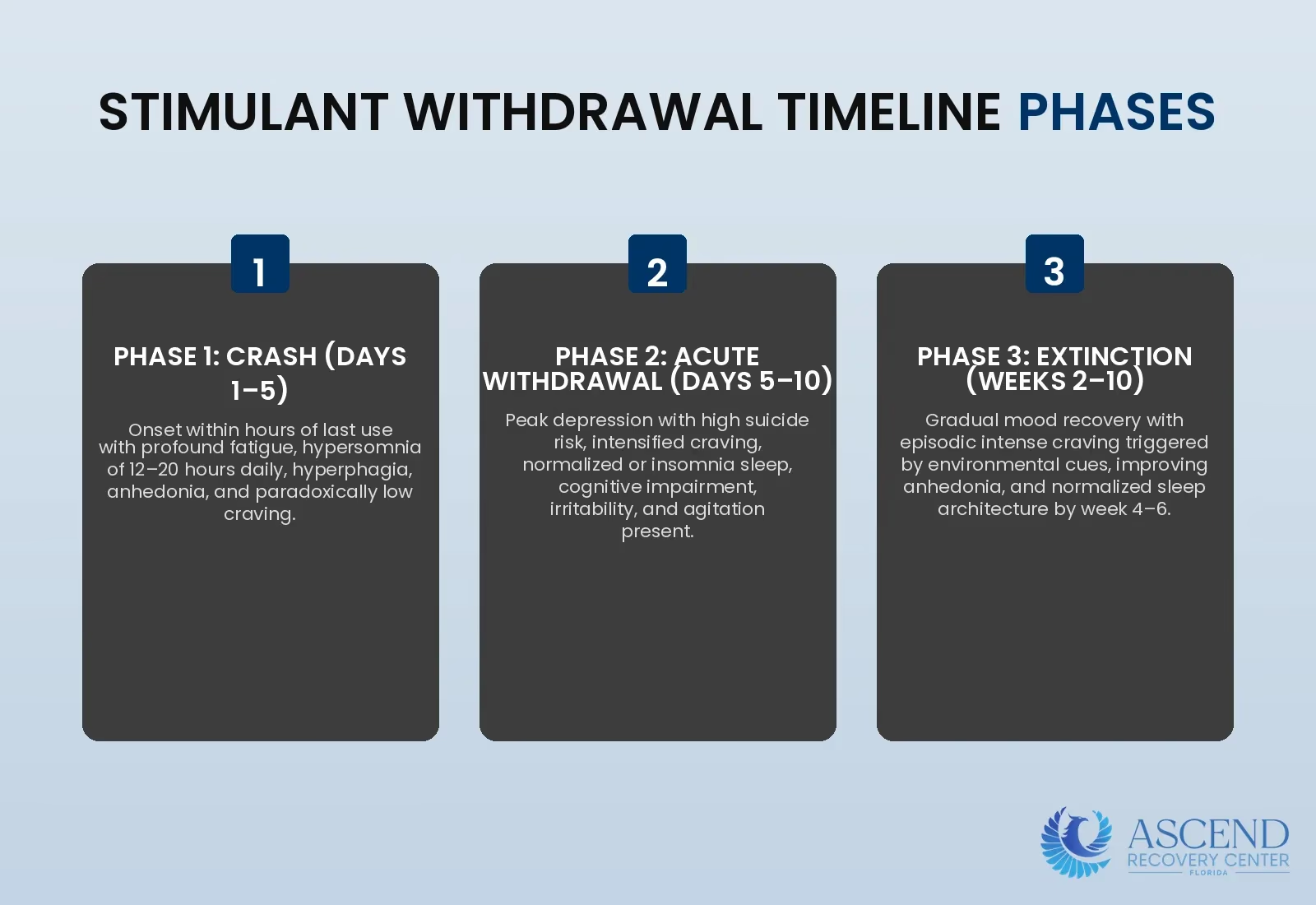
The stimulant withdrawal timeline spans 3 phases: the acute crash (days 1–5) with severe fatigue and hypersomnia, the withdrawal phase (days 5–10) with peak depression and craving, and the extinction phase (weeks 2–10) with episodic craving and gradual mood recovery. Symptoms differ between cocaine and methamphetamine in duration but follow the same general pattern.
Phase-by-phase progression:
- Phase 1 — Crash (days 1–5) — onset within hours of last use. Profound fatigue, hypersomnia (12–20 hours of sleep per day), hyperphagia, anhedonia, and psychomotor retardation. Mood depression begins but is often masked by sleep. Craving is paradoxically low during the crash.
- Phase 2 — Acute withdrawal (days 5–10) — peak depression with high suicide risk. Craving intensifies. Sleep normalizes or develops insomnia. Cognitive impairment, irritability, and agitation are prominent. This is the highest-risk phase for self-harm.
- Phase 3 — Extinction (weeks 2–10) — gradual mood recovery. Episodic intense craving triggered by environmental cues (people, places, paraphernalia). Anhedonia improves over weeks. Sleep architecture normalizes by week 4–6.
Methamphetamine withdrawal extends approximately 50% longer than cocaine withdrawal at each phase because methamphetamine's 10–12 hour half-life and dopaminergic neurotoxicity prolong recovery far beyond cocaine's roughly 1-hour half-life. Post-acute symptoms — fatigue, anhedonia, craving — persist 6–12 months in many patients. ASAM classifies stimulant stabilization under withdrawal management levels 1-WM (ambulatory) through 3.7-WM (medically monitored inpatient), assigning placement by depression severity and suicide risk rather than the autonomic instability that governs alcohol and opioid detox. That suicide-driven risk profile separates stimulant withdrawal from opioid withdrawal, which the next section compares point by point.
How is stimulant withdrawal different from opioid withdrawal?
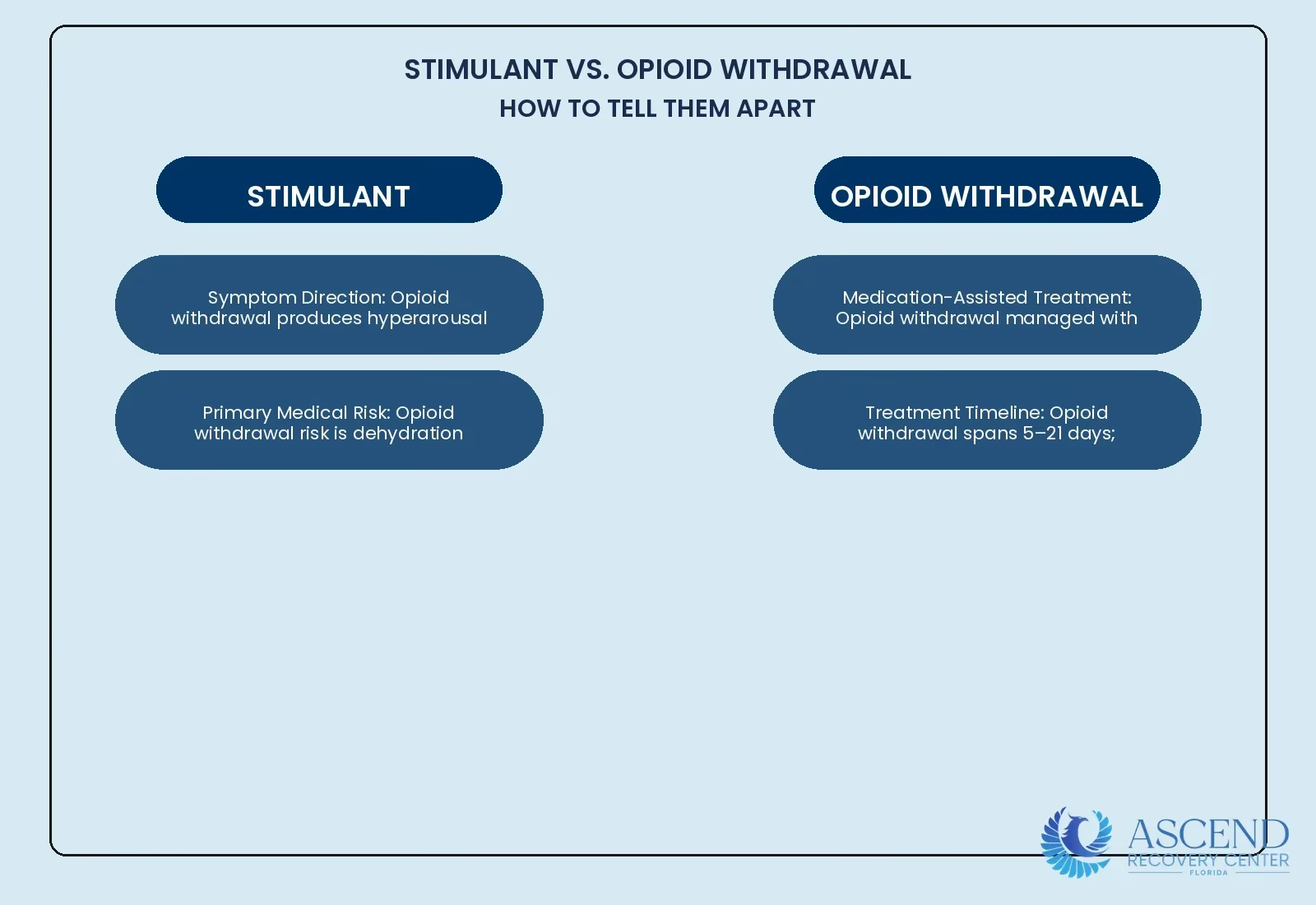
Stimulant withdrawal differs from opioid withdrawal in symptom profile (depression and hypersomnia vs autonomic hyperactivity), medical risk (suicide vs dehydration and post-detox overdose), pharmacological options (none FDA-approved vs buprenorphine/methadone), and timeline (5–10 days vs 5–21 days). The 2 syndromes require fundamentally different clinical management approaches.
Key differences:
- Symptom direction — opioid withdrawal produces hyperarousal: piloerection, mydriasis, tachycardia, hypertension, diaphoresis, lacrimation, rhinorrhea, diarrhea, vomiting, muscle aches, agitation. Stimulant withdrawal produces hypoarousal: fatigue, hypersomnia, hyperphagia, psychomotor retardation, anhedonia.
- Primary medical risk — opioid withdrawal risk centers on dehydration, electrolyte imbalance, and post-withdrawal overdose due to tolerance loss. Stimulant withdrawal risk centers on suicidal ideation during the depressive crash and psychotic symptoms in methamphetamine withdrawal.
- Medication-assisted treatment — opioid withdrawal is managed with buprenorphine, methadone, lofexidine, and clonidine. No FDA-approved medications exist for stimulant withdrawal.
- Treatment urgency — opioid use disorder relapse carries immediate fatal overdose risk. Stimulant use disorder relapse carries lower acute mortality but is more resistant to behavioral interventions.
Polysubstance use combining stimulants and opioids — increasingly common because fentanyl contaminates cocaine and methamphetamine supplies — requires simultaneous management of both withdrawal syndromes at ASAM Level 3.7 or 4.0. The defining feature of stimulant withdrawal, the severe depression that drives its suicide risk, has a specific neurobiological cause the next section explains.
Why is depression so severe during stimulant withdrawal?
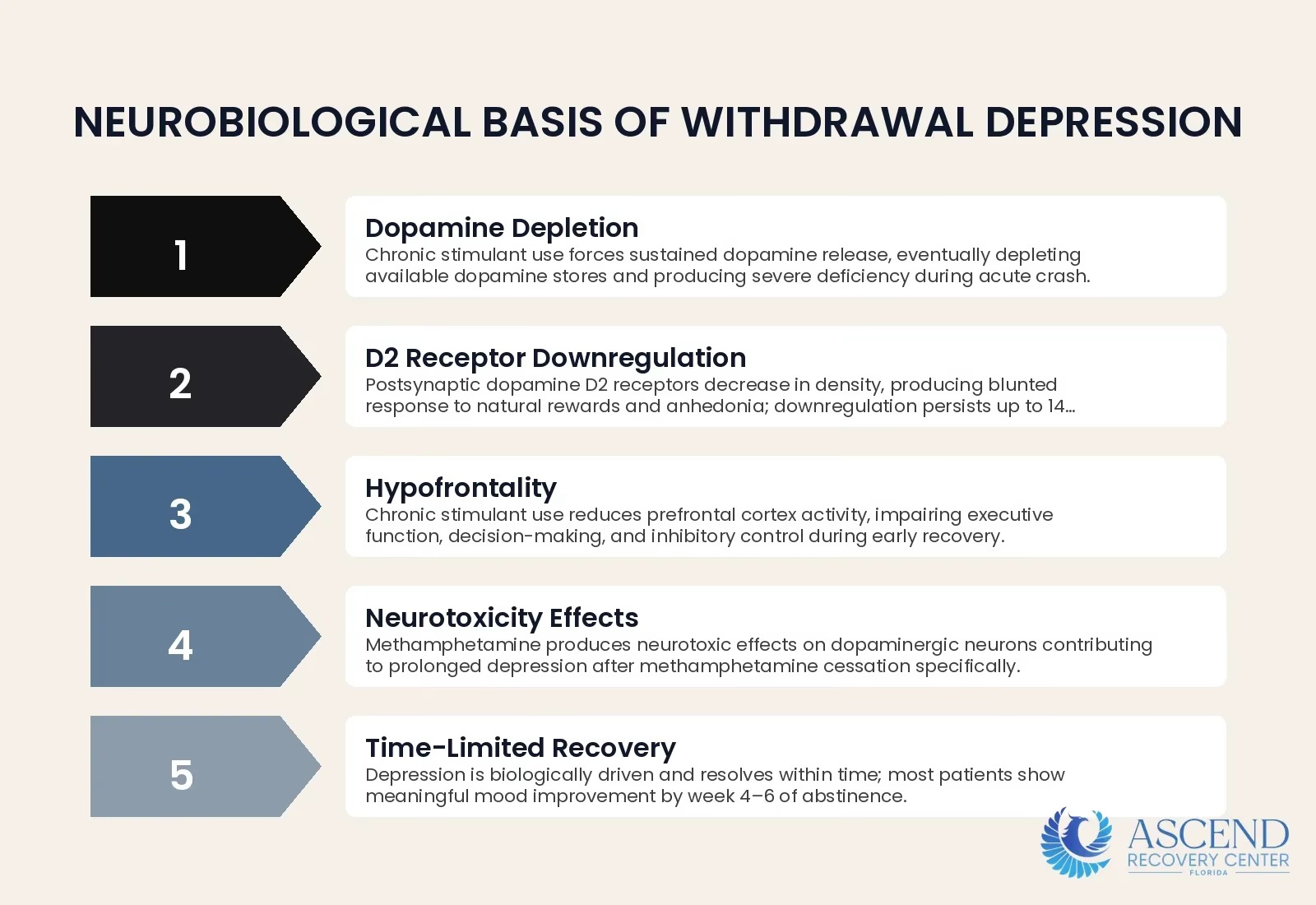
Depression during stimulant withdrawal is severe because chronic stimulant use depletes dopamine, downregulates dopamine D2 receptors, and disrupts the brain's reward system, producing a transient hypodopaminergic state that manifests clinically as anhedonia, fatigue, and major depressive symptoms. NIDA neuroimaging research documents D2 receptor downregulation persisting up to 14 months after methamphetamine cessation.
Neurobiological basis:
- Dopamine depletion — chronic stimulant use forces sustained dopamine release from presynaptic neurons, eventually depleting available dopamine stores. The acute crash reflects severe dopamine deficiency.
- D2 receptor downregulation — postsynaptic dopamine D2 receptors decrease in density in response to chronic stimulant exposure. Reduced receptor density produces blunted response to natural rewards (food, social interaction, sex) and is the neurobiological substrate of anhedonia.
- Hypofrontality — chronic stimulant use reduces prefrontal cortex activity, impairing executive function, decision-making, and inhibitory control during early recovery.
- Neurotoxicity — methamphetamine produces neurotoxic effects on dopaminergic neurons that contribute to the prolonged depression after methamphetamine cessation specifically.
The depression is biologically driven and time-limited. Clinical management targets suicide prevention during the 5–14 day peak-risk window, structured behavioral activation to counter anhedonia, and monitoring for underlying mood disorders that require psychiatric treatment beyond the acute phase. Most patients show meaningful mood improvement by week 4–6 of abstinence. Because this depression is a dopamine-deficit state rather than a receptor-blockade problem, the medications available for stimulant detox differ sharply from the agonist therapies used for opioids, as the next section details.
Are there any medications for stimulant detox?
There are no FDA-approved medications for stimulant use disorder or stimulant withdrawal management as of 2026. Stimulant detox is supportive: restoration of sleep, nutrition, hydration, and management of specific symptoms — depression, insomnia, agitation, psychosis — with off-label psychiatric medications. Multiple medications are under active clinical investigation but none have received FDA approval.
Off-label medications used in clinical practice:
- Sleep regulation — trazodone (50–150 mg at bedtime) and mirtazapine (15–30 mg at bedtime) restore sleep architecture without dependence risk. Benzodiazepines are avoided due to dependence potential and risk of polysubstance use disorder.
- Depression — SSRIs and SNRIs are not initiated during the acute withdrawal phase because withdrawal-induced depression typically resolves with abstinence. Antidepressants are considered after week 4–6 if depression persists.
- Agitation and anxiety — hydroxyzine (25–50 mg every 6 hours) or propranolol (10–40 mg TID) for autonomic symptoms.
- Psychotic symptoms (methamphetamine) — olanzapine, risperidone, or quetiapine for stimulant-induced psychosis. Methamphetamine-induced psychosis typically resolves within 1–2 weeks of abstinence but can persist in a subset of patients.
- Investigational agents — the injectable naltrexone plus oral bupropion combination tested in the NIDA ADAPT-2 trial produced a response in roughly 13.6% of methamphetamine use disorder participants versus 2.5% on placebo. Modafinil and topiramate show preliminary efficacy in trials. None hold FDA approval for stimulant use disorder.
The absence of medication-assisted treatment makes behavioral therapy after detox more critical, not less. Detox duration therefore functions as a bridge to that behavioral phase, and the timeline for the acute stimulant detox itself is set out in the next section.
Stimulant withdrawal does not kill from autonomic causes — it kills from suicide. The depressive crash on days 3–10 produces the highest acute mortality risk of any substance withdrawal syndrome that we historically considered medically benign.
Does Your Insurance Cover Medical Detox?
Free, confidential verification in under 15 minutes.
How long does stimulant detox last?
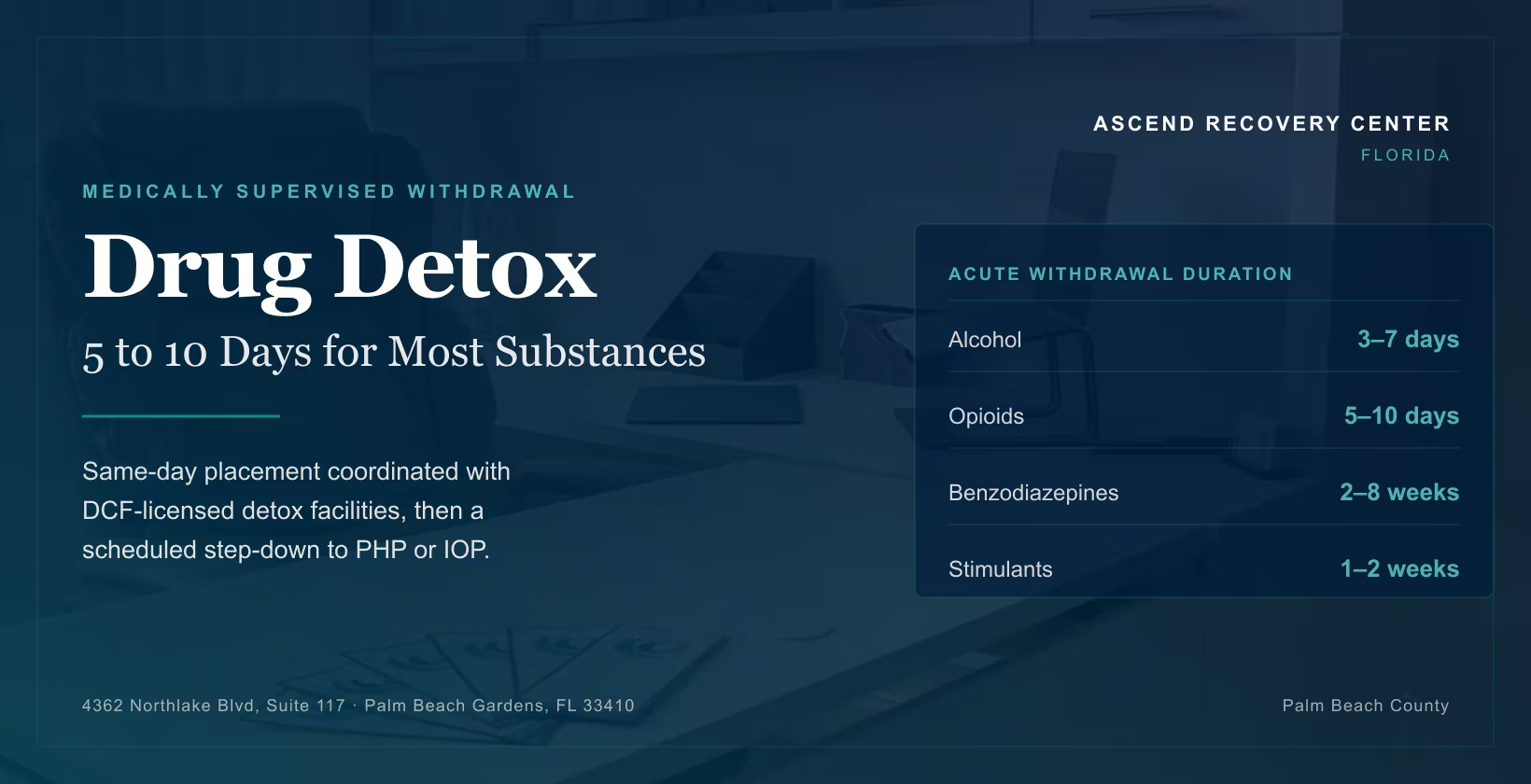
Acute stimulant detox lasts 5–10 days for cocaine and 7–14 days for methamphetamine, with post-acute withdrawal symptoms persisting 6–12 months in many patients. The duration depends on the specific stimulant, daily quantity, duration of use, route of administration, and individual physiologic factors.
Duration by stimulant:
- Cocaine — acute crash days 1–3, acute withdrawal days 3–7, total acute phase 5–7 days. Short half-life produces rapid onset and rapid resolution of acute symptoms.
- Methamphetamine — acute crash days 1–5, acute withdrawal days 5–10, total acute phase 7–14 days. Longer half-life and dopaminergic neurotoxicity extend the timeline.
- Prescription stimulants (Adderall, Ritalin, Vyvanse) — acute phase 5–10 days. Therapeutic-dose dependence typically produces milder withdrawal than illicit stimulant use. High-dose nonmedical use produces a withdrawal pattern resembling cocaine.
- Crack cocaine (smoked) — same active compound as cocaine but produces more severe dependence and prolonged anhedonia compared to insufflated cocaine.
Inpatient stimulant detox is typically completed in 5–10 days at ASAM Level 3.7. Same-week transition to PHP at ASAM Level 2.5 follows medical stabilization. The post-acute phase — lasting weeks to months — is managed at the PHP and IOP levels with behavioral therapy as the primary intervention. That post-acute phase carries its own distinct symptom set, defined clinically as post-acute stimulant withdrawal, which the next section describes.
What is post-acute stimulant withdrawal (PAWS)?
Post-acute stimulant withdrawal is a prolonged phase lasting 6–12 months after acute detox completion, characterized by anhedonia, fatigue, sleep disturbance, episodic intense craving, and cognitive impairment. PAWS reflects gradual recovery of dopaminergic and prefrontal cortical function after chronic stimulant exposure.
Common PAWS symptoms after stimulant cessation:
- Anhedonia — reduced capacity to experience pleasure from natural rewards. The most clinically prominent and treatment-resistant symptom. Improves gradually over 6–12 months as D2 receptor density recovers.
- Fatigue and low motivation — persistent low energy and reduced drive that limits return to work, school, and relationships. Behavioral activation strategies are the primary intervention.
- Sleep disturbance — disrupted sleep architecture that normalizes over 3–6 months. Sleep hygiene protocols and time-limited trazodone are standard management.
- Cognitive impairment — attention, working memory, and executive function deficits. Methamphetamine-related cognitive impairment can persist 12+ months.
- Episodic intense craving — sudden craving episodes triggered by environmental cues (people, places, paraphernalia, drug-related media). Episodes are time-limited (typically 5–30 minutes) but produce substantial relapse risk.
- Mood lability — irritability, anxiety, and depressive episodes that wax and wane independent of life circumstances.
PAWS is the period during which behavioral therapy and contingency management produce the highest impact on long-term outcomes.
Why is contingency management essential after stimulant detox?
Contingency management is essential after stimulant detox because it is the single intervention with the largest effect size for stimulant use disorder, producing 2–3 times higher abstinence rates than standard counseling in NIDA clinical trials. Contingency management compensates for the diminished response to natural rewards (anhedonia) by providing structured, immediate, tangible reinforcement for verified abstinence.
How contingency management works in stimulant treatment:
- Verified abstinence — urine drug screening at each session confirms abstinence from stimulants (and often all substances).
- Immediate reinforcement — patients receive vouchers, prizes, or escalating cash incentives for each negative test, delivered at the session.
- Escalating value — incentive value increases with consecutive negative tests, creating compounding reward for sustained abstinence. A single positive test resets the schedule to baseline value.
- Behavioral mechanism — substitutes structured natural reinforcement for the diminished response to natural rewards produced by stimulant-induced D2 downregulation. The intervention works by leveraging the neurobiological substrate of anhedonia.
Evidence base — NIDA Clinical Trials Network studies demonstrate contingency management produces the strongest treatment effect of any psychosocial intervention for stimulant use disorder. Two established delivery formats exist: the voucher-based reinforcement model developed by Higgins and the fishbowl prize-based model, both of which raise abstinence rates over counseling alone. Patients who achieve sustained abstinence during contingency management show lower relapse rates at 12 months than patients receiving CBT alone, and combining contingency management with CBT produces the best outcomes. The VA operates the largest contingency management program in the United States based on this evidence. Delivering these interventions requires a structured continuing-care setting, which is what patients enter immediately after detox — the subject of the next section.
Without FDA-approved maintenance medication, behavioral therapy is the entire treatment for stimulant use disorder. Contingency management is not optional — it is the intervention with the largest effect size in the literature.
What happens after stimulant detox?
After stimulant detox, patients transition within 24–48 hours to PHP or IOP for behavioral therapy — primarily contingency management and CBT — which constitutes the evidence-based treatment for stimulant use disorder. The post-detox treatment phase is more clinically critical for stimulant use disorder than for opioid or alcohol use disorder because no maintenance medication exists.
Ascend Recovery Center provides 3 step-down levels following stimulant detox:
- Partial Hospitalization Program (PHP) — ASAM Level 2.5. 5–6 days per week, 5–6 hours per day. Recommended initial step-down for patients completing stimulant detox. Includes contingency management with urine drug screening at every session, CBT for relapse prevention, group therapy, psychiatric medication management of co-occurring depression and ADHD, and structured behavioral activation to counter anhedonia.
- Intensive Outpatient Program (IOP) — ASAM Level 2.1. 3–5 days per week, 3 hours per day. Step-down from PHP after 4–6 weeks of clinical stability. Continued contingency management, CBT, and relapse prevention work. See cocaine addiction treatment for the full IOP protocol for stimulant use disorder.
- Outpatient Program — ASAM Level 1. 1–2 sessions per week. Long-term relapse prevention and management of PAWS symptoms.
Total recommended treatment duration for stimulant use disorder is minimum 90 days based on NIDA evidence — patients who complete 90+ days of structured treatment after detox show 2–3 times higher 12-month abstinence rates than those who discontinue earlier. Call (561) 956-1082 to coordinate the transition.
Is there a medical detox for stimulants like there is for opioids?
Common Misconception
"Stimulant withdrawal needs the same medical detox as opioids or alcohol."
What the Evidence Shows
Stimulant withdrawal (cocaine, methamphetamine) is primarily psychological — intense cravings, depression, fatigue, and anhedonia — rather than the life-threatening physical withdrawal of alcohol or benzodiazepines. There is no FDA-approved medication for stimulant withdrawal, so the evidence-based treatment is behavioral: contingency management (the most effective intervention for stimulant use disorder) plus CBT and the Matrix Model, ideally in a structured PHP or IOP setting with monitoring for depression and suicidality.
SAMHSA TIP 33: Treatment for Stimulant Use Disorders (Updated 2021).