


Referenced in this article
Key Takeaways
- Drug detoxification consists of 3 components defined by SAMHSA TIP 45: evaluation, stabilization, and fostering readiness for treatment
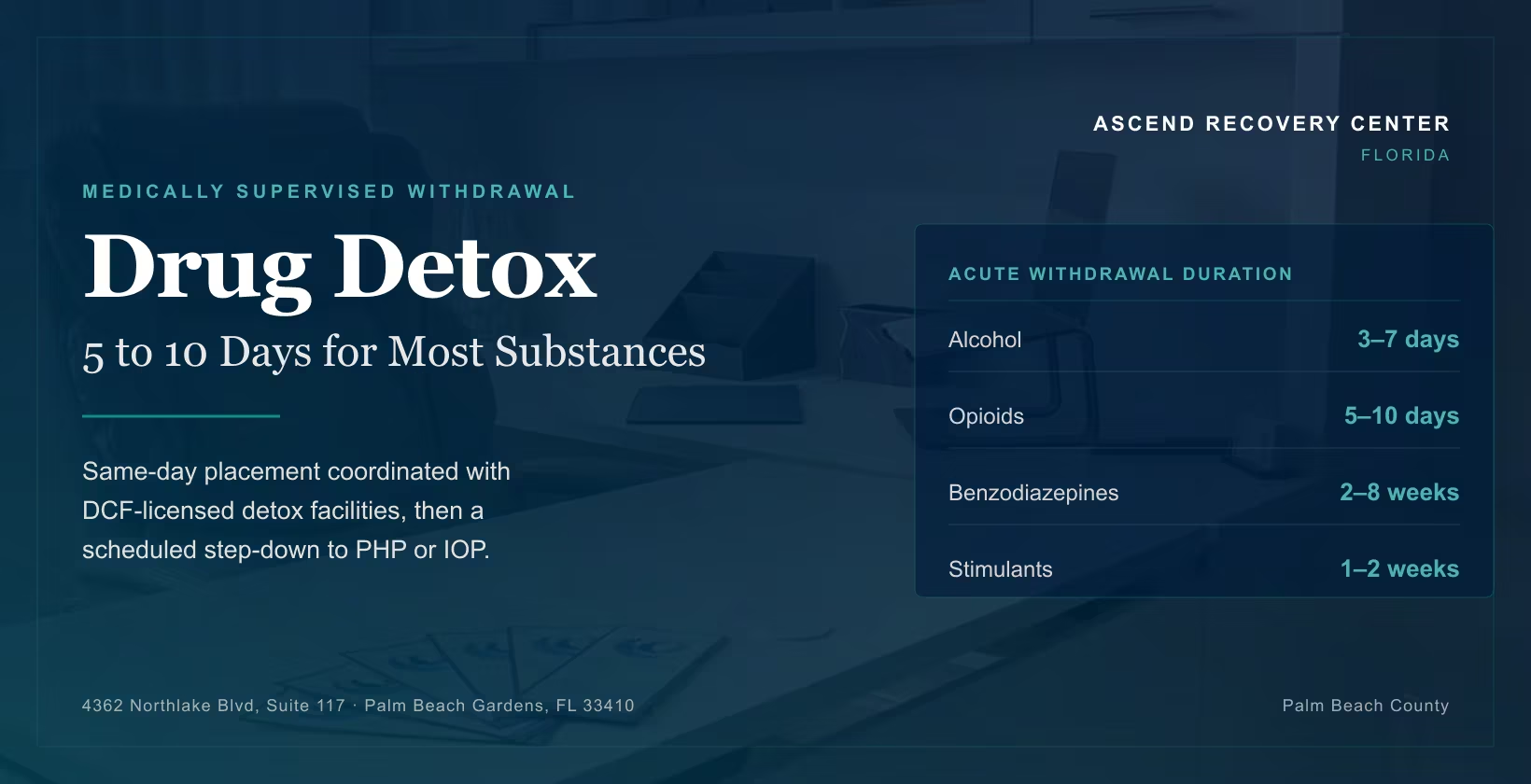
- Withdrawal timelines vary by substance class: opioids (8-72 hour onset), alcohol (6-24 hour onset), benzodiazepines (1-7 day onset), stimulants (hours to days)
- Medical detox uses pharmacological interventions under clinical supervision — social detox provides supportive care without medication
- Detox alone has limited efficacy for long-term recovery — NIDA research demonstrates that detox without continued treatment produces relapse rates exceeding 80%
- Ascend Recovery Center coordinates detox placement and provides PHP/IOP step-down programming after medical stabilization in Palm Beach Gardens, FL
- 14 DCF-licensed residential detox facilities operate in Palm Beach County, and Ascend Recovery Center coordinates same-day placement with partner facilities before scheduling the step-down to PHP or IOP.
- Withdrawal severity is scored on validated instruments — CIWA-Ar (0-67) for alcohol and COWS for opioids — and symptom-triggered dosing against those scores is the documented standard of care
What Is Drug Detox?
Drug detox is the medically supervised management of acute withdrawal symptoms using pharmacological protocols, vital sign monitoring, and clinical assessment to achieve physiological stabilization. SAMHSA TIP 45 structures the detox process into 3 sequential components: Three substance classes — alcohol, benzodiazepines, and barbiturates — produce withdrawal that can be fatal without medical supervision.
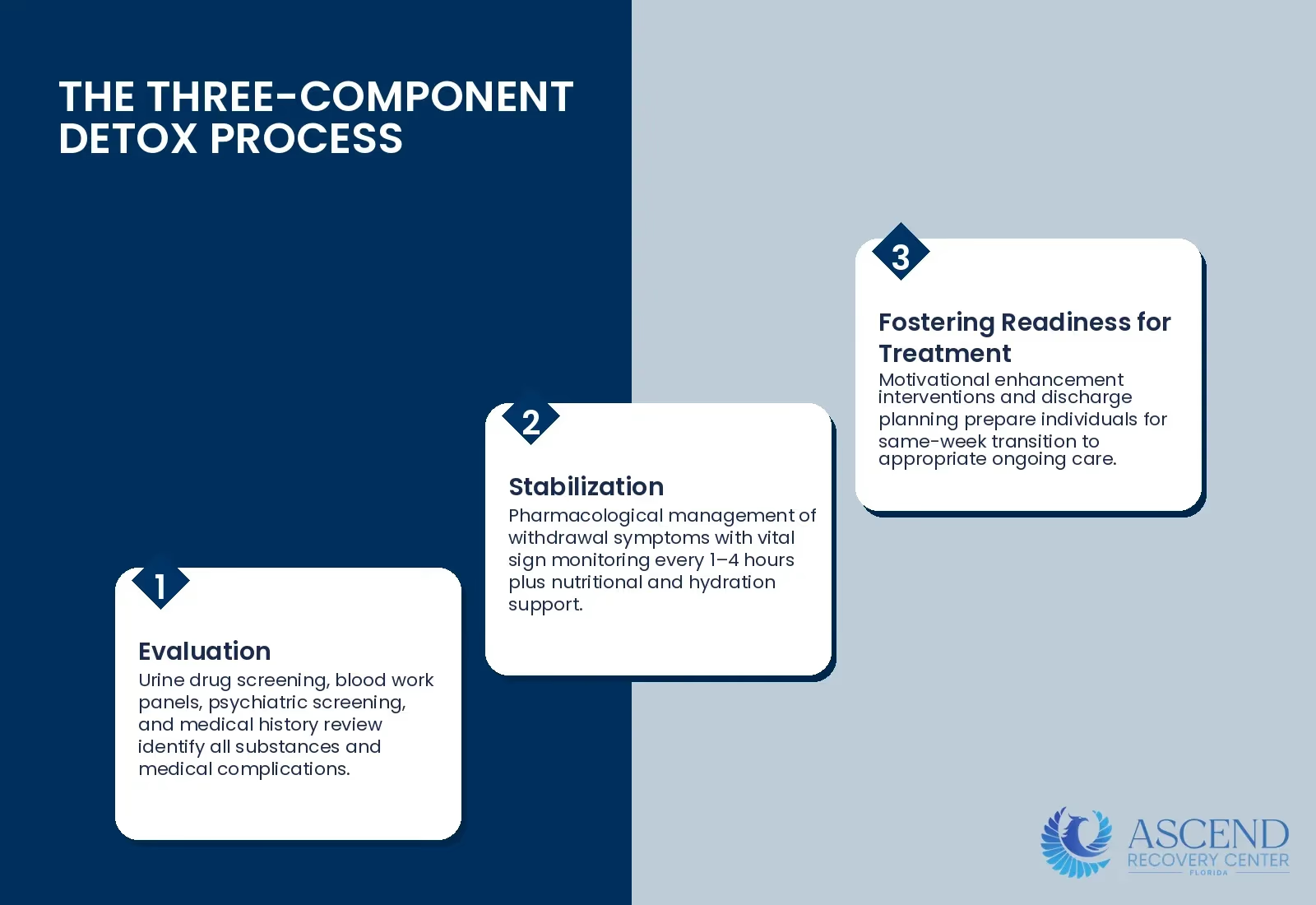
- Evaluation — urine drug screening to identify all substances present, blood work (CBC, CMP, hepatic panel, infectious disease panel), psychiatric screening for co-occurring disorders, and medical history review. Evaluation determines the substances requiring withdrawal management and identifies medical complicating factors.
- Stabilization — pharmacological management of withdrawal symptoms through the acute phase using evidence-based medication protocols specific to each substance class. Vital sign monitoring (blood pressure, heart rate, temperature, respiratory rate) occurs every 1–4 hours. Nutritional support and hydration management address physiological deficits.
- Fostering readiness for treatment — motivational enhancement interventions during the detox period increase treatment engagement rates. Discharge planning identifies the appropriate ASAM level of care for ongoing treatment. Same-week transition to structured treatment produces the best clinical outcomes.
Detox duration ranges from 3 to 14 days depending on the substance class, severity of dependence, and individual physiological factors. Polysubstance use (dependence on 2 or more substance classes) extends detox duration and increases medical complexity.

Detox Level-of-Care Process
- 1Evaluate Withdrawal Risk
Substance history, vital signs, labs, psychiatric screen, and ASAM dimensions identify detox safety needs.
- 2Stabilize Medically
Licensed detox teams manage acute withdrawal with medication protocols, hydration, nutrition, and monitoring.
- 3Match Step-Down Care
Clinical staff determine PHP, IOP, outpatient, or residential placement after withdrawal stabilizes.
- 4Coordinate Transition
Admissions and case management align discharge date, insurance authorization, transportation, and records transfer.
- 5Start Behavioral Treatment
Ongoing treatment addresses cravings, triggers, mental health symptoms, family systems, and relapse prevention.

 FL DCF LicensedFARR Certified
What Are Substance-Specific Withdrawal Timelines?
Withdrawal timelines vary by substance class, with onset ranging from 6 hours (alcohol) to 7 days (long-acting benzodiazepines) and resolution ranging from 5 days (stimulants) to 8 weeks (benzodiazepines). Each substance class produces a distinct withdrawal syndrome with specific onset, peak, and resolution timeframes.
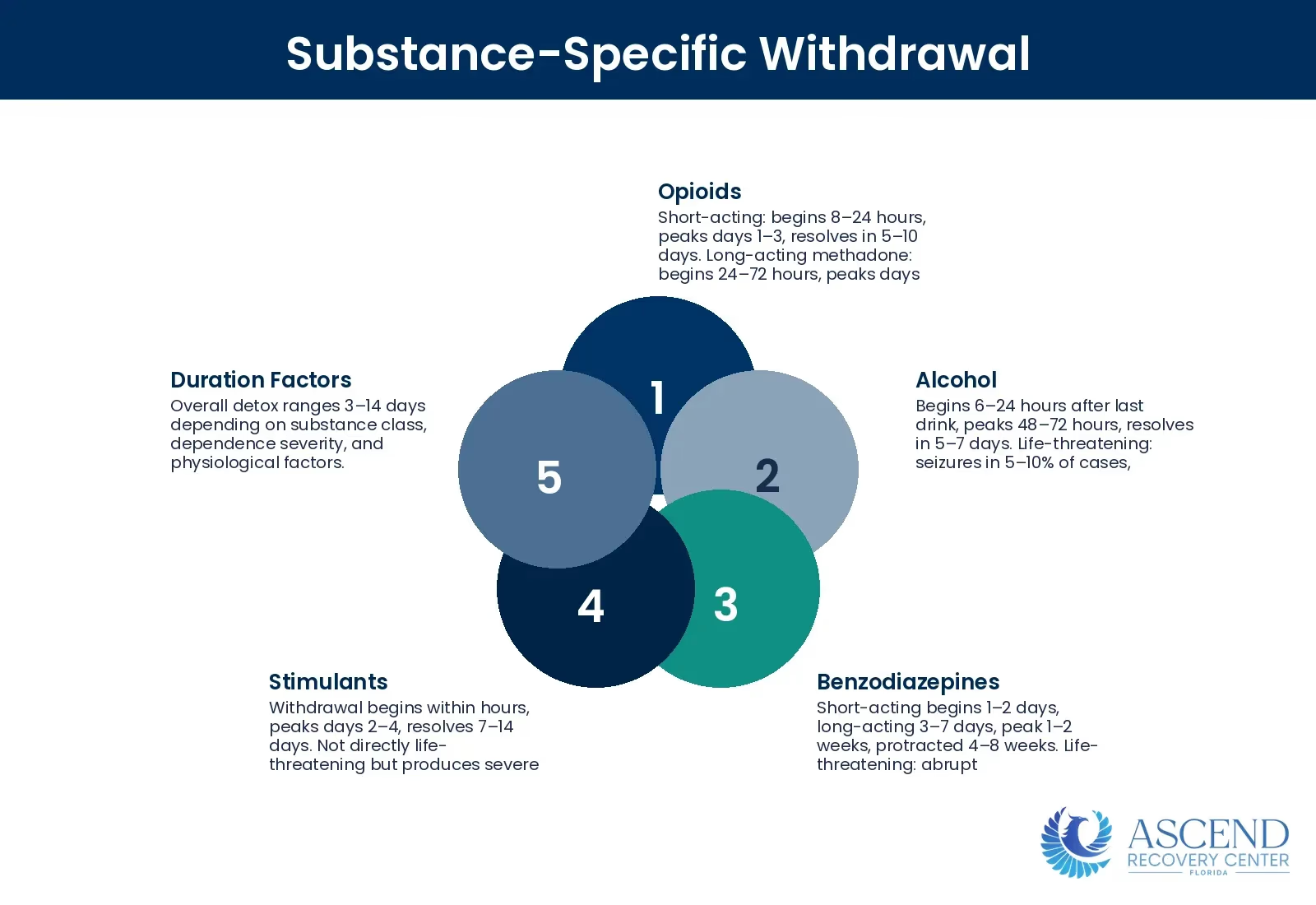
- Opioids (heroin, fentanyl, oxycodone) — short-acting opioid withdrawal begins 8–24 hours after last use, peaks at days 1–3, and resolves in 5–10 days. Long-acting opioid withdrawal (methadone) begins 36–48 hours after last use, peaks at 72–96 hours, and resolves in 14–21 days. Symptoms include muscle aches, diarrhea, nausea, insomnia, and dysphoria. Opioid withdrawal is intensely uncomfortable but not directly life-threatening in otherwise healthy adults. See the opioid detox timeline for a detailed day-by-day withdrawal schedule.
- Alcohol — withdrawal begins 6‒24 hours after last drink, peaks at 48–72 hours, and resolves in 5–7 days. Symptoms include tremors, sweating, tachycardia, seizures, and delirium tremens. Alcohol withdrawal is life-threatening — seizures occur in 5–10% of cases, delirium tremens occurs in 3–5% of cases. See alcohol detox for detailed medical withdrawal management protocols.
- Benzodiazepines (alprazolam, clonazepam, diazepam) — short-acting benzodiazepine withdrawal begins 1–2 days after last dose. Long-acting benzodiazepine withdrawal begins 3–7 days after last dose. Peak symptoms at 1–2 weeks. Protracted withdrawal extends 4–8 weeks. Symptoms include anxiety, insomnia, tremors, seizures, and psychosis. Benzodiazepine withdrawal is life-threatening — abrupt discontinuation produces seizures and requires medically supervised tapering. The full taper protocol is detailed in Benzodiazepine Detox: 4–12 Week Medical Taper.
- Stimulants (cocaine, methamphetamine) — withdrawal begins within hours of last use, peaks at days 2–4, and resolves in 7–14 days. Symptoms include fatigue, hypersomnia, increased appetite, psychomotor retardation, and anhedonia. Stimulant withdrawal is not directly life-threatening but produces severe depression with suicidal ideation in a subset of individuals. Cocaine and methamphetamine-specific withdrawal protocols are covered in Stimulant Detox: Cocaine & Methamphetamine Withdrawal.
Substance Withdrawal Duration Comparison
3-7 days acute withdrawal; seizure and delirium tremens risk peaks at 48-72 hours
5-10 days for short-acting; 14-21 days for long-acting opioids like methadone
2-8 weeks with medically supervised taper; abrupt discontinuation causes seizures
1-2 weeks acute phase; severe depression and suicidal ideation require monitoring
FL DCF LicensedFARR CertifiedWhat Is the Difference Between Medical Detox and Social Detox?
Medical detox provides physician-directed pharmacological withdrawal management in a licensed clinical facility with 24-hour nursing and medication access. Social detox provides a supportive, substance-free environment with peer support and monitoring but without medication-assisted withdrawal management. The appropriate detox type depends on the substance of dependence and withdrawal severity.
Key differences between medical detox and social detox:
- Medication access — medical detox administers prescription medications (benzodiazepines, buprenorphine, clonidine, anticonvulsants) to manage withdrawal symptoms and prevent complications. Social detox provides no prescription withdrawal management.
- Medical staffing — medical detox requires physician oversight and 24-hour RN coverage. Social detox is staffed by trained technicians and peer support specialists.
- ASAM level — medical detox operates at ASAM Level 3.7 (medically monitored inpatient) or Level 4.0 (medically managed intensive inpatient). Social detox operates at ASAM Level 3.2 (clinically managed residential).
- Appropriate populations — medical detox is required for alcohol dependence, benzodiazepine dependence, severe opioid dependence, polysubstance dependence, and individuals with concurrent medical conditions. Social detox is appropriate for mild stimulant withdrawal and cannabis withdrawal in otherwise healthy individuals.
ASAM guidelines recommend medical detox for any substance withdrawal syndrome that carries seizure risk or life-threatening cardiovascular complications.
FL DCF LicensedFARR CertifiedWhat Medications Are Used in Drug Detox?
Medications used in drug detox are matched to the specific substance class producing withdrawal, with distinct pharmacological protocols for opioids, alcohol, benzodiazepines, and stimulants. Evidence-based medication protocols reduce withdrawal severity, prevent medical complications, and improve treatment transition rates.
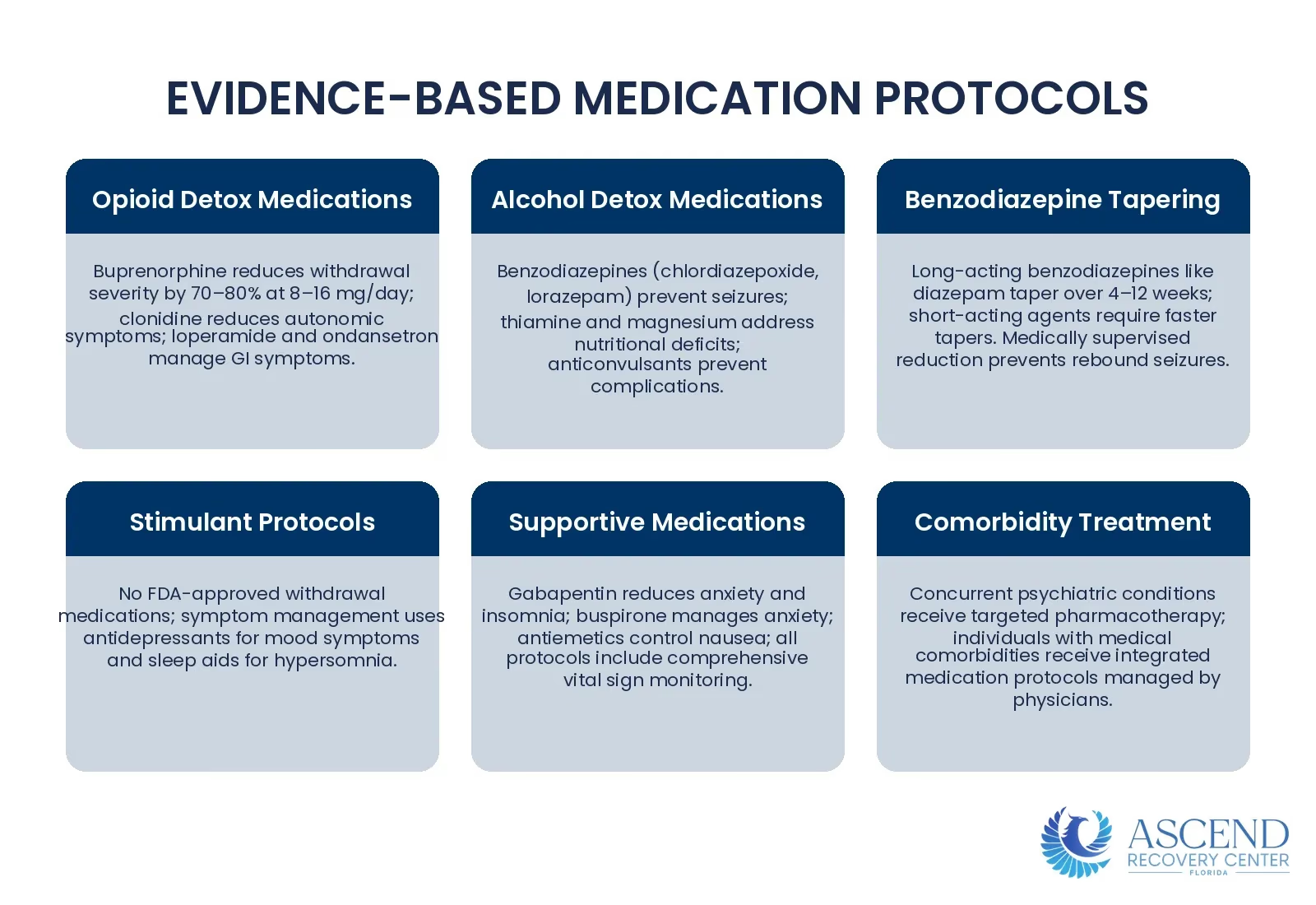
Medications organized by substance class:
- Opioid detox medications — buprenorphine (Subutex/Suboxone): partial mu-opioid agonist that reduces withdrawal severity by 70–80%. Induction begins once the Clinical Opiate Withdrawal Scale (COWS) reaches 8 to 12, indicating mild-to-moderate withdrawal, at 2–4 mg sublingual titrated to approximately 8 mg over day 1, then stabilized at 8–16 mg/day. Clonidine: alpha-2 adrenergic agonist that reduces autonomic withdrawal symptoms (sweating, tachycardia, muscle aches). Dosed at 0.1–0.3 mg every 6–8 hours. Loperamide: anti-diarrheal for GI symptoms. Ondansetron: anti-emetic for nausea/vomiting.
- Alcohol detox medications — benzodiazepines (chlordiazepoxide, diazepam, lorazepam): GABA-A agonists that substitute for alcohol's neurochemical effect. Tapered over 4–7 days based on CIWA-Ar scoring. Supportive medications carry their own dosing protocols: loperamide 4 mg initially then 2 mg after each loose stool to a 16 mg/day maximum for opioid-withdrawal diarrhea, ondansetron 4–8 mg every 8 hours for nausea and vomiting, and trazodone 50–100 mg at bedtime for withdrawal insomnia. Thiamine: 200–500 mg IV for 3–5 days to prevent Wernicke encephalopathy. Carbamazepine: anticonvulsant adjunct.
- Benzodiazepine detox medications — gradual taper using long-acting benzodiazepines (diazepam or chlordiazepoxide) with dose reduction of 10–25% per week. Rapid benzodiazepine discontinuation is medically dangerous. Adjunctive carbamazepine or gabapentin provides additional seizure prophylaxis.
- Stimulant detox medications — no FDA-approved medications exist specifically for stimulant withdrawal. Supportive care includes sleep aids (trazodone, hydroxyzine), mood stabilization, and monitoring for suicidal ideation. Modafinil and bupropion show preliminary efficacy in clinical trials.
Does Your Insurance Cover Medical Detox?
Free, confidential verification in under 15 minutes.
How Do Clinicians Measure Withdrawal Severity?
Clinicians measure withdrawal severity with validated symptom scales — CIWA-Ar for alcohol and COWS for opioids — that convert observed signs into a numeric score, and that score determines each medication dose. Scored assessment replaced fixed-dose scheduling as the standard of care because scoring matches medication to observed physiology rather than to a clock.
Sullivan and colleagues published the Clinical Institute Withdrawal Assessment for Alcohol, Revised (CIWA-Ar) in the British Journal of Addiction in 1989. CIWA-Ar rates 10 items — nausea and vomiting, tremor, paroxysmal sweats, anxiety, agitation, tactile disturbances, auditory disturbances, visual disturbances, headache, and orientation — on a scale running 0 to 67.
- CIWA-Ar under 8 to 10 — minimal alcohol withdrawal. Monitoring continues and medication is frequently withheld.
- CIWA-Ar 8 to 15 — mild to moderate alcohol withdrawal treated with symptom-triggered benzodiazepine dosing.
- CIWA-Ar above 15 — severe alcohol withdrawal carrying elevated risk of seizure and delirium tremens, requiring immediate medication and intensified monitoring.
Symptom-triggered benzodiazepine dosing against CIWA-Ar reduces total benzodiazepine exposure and shortens treatment duration compared with fixed-schedule dosing, because a patient whose CIWA-Ar score stays low receives no sedation that the score does not justify.
Wesson and Ling published the Clinical Opiate Withdrawal Scale (COWS) in the Journal of Psychoactive Drugs in 2003. COWS rates 11 items, including resting pulse, sweating, restlessness, pupil size, bone or joint aches, runny nose, gastrointestinal upset, tremor, yawning, anxiety, and gooseflesh. COWS scores of 5 to 12 indicate mild opioid withdrawal, 13 to 24 moderate, 25 to 36 moderately severe, and above 36 severe. COWS carries a second function beyond severity grading: buprenorphine induction is timed to a COWS threshold of roughly 8 to 12, because induction below that threshold triggers precipitated withdrawal.
Both instruments are documented components of the detoxification standard of care. A detox facility operating to that standard names the scoring instrument in use, records the score at each assessment interval, and ties each medication dose to a recorded score.
Detoxification stabilizes the body. Treatment changes the brain. Both are necessary, and neither is sufficient alone. The clinical imperative is connecting every detox discharge to ongoing behavioral treatment within 48 hours.
What Is Precipitated Withdrawal, and Why Does Fentanyl Change Detox?
Precipitated withdrawal is the abrupt onset of severe withdrawal that occurs when buprenorphine or naloxone displaces a full opioid agonist from the mu-opioid receptor, and fentanyl makes precipitated withdrawal substantially harder to avoid. Precipitated withdrawal symptoms arrive within minutes rather than hours and exceed the severity of ordinary opioid withdrawal.
The mechanism is competitive binding. Buprenorphine holds higher affinity for the mu-opioid receptor than fentanyl, heroin, or oxycodone, but produces only partial receptor activation. When buprenorphine displaces a full agonist from a heavily occupied receptor, net receptor activation drops sharply and the nervous system registers a sudden, steep withdrawal.
Fentanyl breaks the induction timing built for heroin. Fentanyl is highly lipophilic, accumulates in adipose tissue during sustained use, and redistributes into the bloodstream long after the last dose. The 12-to-24-hour abstinence window that preceded safe buprenorphine induction in the heroin era is insufficient for a portion of patients using illicit fentanyl, who still carry enough agonist to be precipitated into withdrawal.
SAMHSA TIP 63 and the ASAM National Practice Guideline for the Treatment of Opioid Use Disorder document three responses that detox programs use to avoid precipitated withdrawal during buprenorphine induction:
- Extended, COWS-guided waiting — buprenorphine induction is withheld until the COWS score confirms established withdrawal, rather than relying on hours elapsed since last use.
- Low-dose induction — small, escalating buprenorphine doses overlap the ongoing full agonist across days, avoiding the displacement event that causes precipitated withdrawal.
- Methadone — methadone is a full agonist and does not precipitate withdrawal, which makes methadone the alternative when buprenorphine induction has already failed.
Xylazine adulteration adds a separate problem to fentanyl detox. Xylazine is an alpha-2 adrenergic agonist rather than an opioid, so naloxone does not reverse xylazine sedation and buprenorphine does not treat xylazine withdrawal. Xylazine in the illicit fentanyl supply means sedation and wounds persist after the opioid component is managed, and xylazine exposure is a separate placement criterion.
A person using illicit fentanyl therefore requires a detox facility equipped for fentanyl-era induction. Ascend Recovery Center screens for substance history, fentanyl exposure, and prior precipitated-withdrawal episodes during the assessment that precedes partner placement.
What Are ASAM Levels 3.7 and 4.0 for Detoxification?
ASAM Level 3.7 is medically monitored inpatient detoxification, and ASAM Level 4.0 is medically managed intensive inpatient detoxification. These 2 levels represent the highest-intensity detox settings in the ASAM continuum of care. Placement into Level 3.7 or 4.0 is determined by ASAM multidimensional assessment across 6 clinical dimensions.
- ASAM Level 3.7 (Medically Monitored Inpatient) — provides 24-hour nursing care, daily physician contact, and standardized withdrawal management protocols. Appropriate for individuals with moderate-to-severe withdrawal risk, stable medical conditions, and no need for intensive care unit (ICU)-level monitoring. Level 3.7 facilities are staffed by physicians, RNs, and licensed counselors.
- ASAM Level 4.0 (Medically Managed Intensive Inpatient) — provides 24-hour physician availability, continuous nursing care, and access to intensive care services. Appropriate for individuals with severe withdrawal (CIWA-Ar above 20 for alcohol, COWS above 25 for opioids — COWS is the Clinical Opiate Withdrawal Scale, an 11-item instrument scored 0–48, while CIWA-Ar scores of 10–20 place an individual at Level 3.7 rather than 4.0), unstable medical conditions (cardiac arrhythmias, hepatic failure, seizure disorders), or polysubstance dependence requiring simultaneous management of multiple withdrawal syndromes. Level 4.0 care is in standard practice provided in hospital-based units.
ASAM placement is reassessed daily during the detox stay. Step-down from Level 4.0 to Level 3.7 occurs as medical acuity decreases. Step-down from Level 3.7 to PHP (Level 2.5) or IOP (Level 2.1) occurs upon withdrawal resolution and medical stabilization. Clients stepping down from drug detox typically transition into Level 2.1 programming — see Intensive Outpatient Program: 9–15 Hrs Per Week for the next phase of treatment.
Drug Detox Phases
- 1Medical Evaluation
Urine drug screening, blood work (CBC, CMP, hepatic panel), psychiatric screening, and medical history review to identify all substances and complicating factors
- 2Stabilization
Pharmacological management of withdrawal symptoms with substance-specific medication protocols and vital sign monitoring every 1-4 hours
- 3Medication Management
Evidence-based protocols tailored to each substance class: benzodiazepines for alcohol, buprenorphine for opioids, gradual tapers for benzodiazepine dependence
- 4Transition Planning
ASAM multidimensional assessment determines appropriate step-down level of care (PHP, IOP, or outpatient) and coordinates discharge timing
- 5Aftercare Referral
Same-week transition to structured behavioral treatment at a licensed PHP or IOP program, with insurance pre-authorization completed during the detox stay
FL DCF LicensedFARR CertifiedWhat Are the Risks of Unsupervised Drug Detox?
The risks of unsupervised drug detox are seizures, cardiac arrhythmias, severe dehydration, aspiration, and death. Unsupervised detox eliminates the medical safeguards that prevent and treat life-threatening withdrawal complications. The specific risks depend on the substance class.
- Alcohol — unsupervised alcohol withdrawal produces seizures in 5–10% of dependent individuals. Grand mal seizures cause falls, head injuries, and aspiration. Delirium tremens carries mortality of up to 37% without medical treatment, falling to approximately 1% to 5% with prompt medical management. Unsupervised delirium tremens mortality exceeds 15% in individuals with concurrent medical conditions.
- Benzodiazepines — abrupt benzodiazepine discontinuation causes rebound seizures, status epilepticus, and psychosis. Benzodiazepine withdrawal seizures occur unpredictably and require emergency anticonvulsant treatment.
- Opioids — opioid withdrawal is not directly fatal in healthy adults. The primary danger of unsupervised opioid detox is post-withdrawal overdose death. Tolerance drops rapidly during withdrawal. An opioid dose that was tolerated before detox becomes a lethal dose within 3–7 days of abstinence. Severe dehydration from vomiting and diarrhea causes electrolyte imbalances and cardiac arrhythmias, particularly dangerous for individuals with preexisting cardiac conditions.
- Stimulants — unsupervised stimulant withdrawal produces severe depression and suicidal ideation. Monitoring for suicidal risk is essential during days 2–7 of stimulant cessation, the period of highest psychological vulnerability.
All individuals with physiological substance dependence benefit from medical evaluation before initiating detoxification. Contact (561) 956-1082 for guidance on medically supervised detox options in South Florida.
Life-Threatening Withdrawal Risk by Substance
delirium tremens mortality reaches up to 37% untreated, falling below 5% with medical treatment; seizures in 5–10% of alcohol-dependent individuals who stop abruptly
Abrupt discontinuation causes seizures and psychosis within 24–72 hours; gradual taper required to prevent status epilepticus
Not directly fatal but post-withdrawal overdose kills — opioid tolerance drops within 3–7 days, making a prior dose lethal
No life-threatening physical withdrawal but severe depression and suicidal ideation during days 2–7 require monitoring
FL DCF LicensedFARR CertifiedWhy Is Detox Not Sufficient Treatment for Addiction?
Detox is not sufficient treatment for addiction because detox addresses only the acute physiological withdrawal while leaving the neurobiological, psychological, and environmental drivers of continued substance use untreated. NIDA defines addiction as a chronic, relapsing brain disorder characterized by compulsive substance seeking despite harmful consequences. Detox resolves the physical dependence component. Addiction treatment resolves the behavioral and psychological components.
NIDA research findings on detox without subsequent treatment:
- Relapse rates exceed 80% within 12 months when detox is the only intervention
- Post-detox overdose risk is highest in the first 2 weeks following detox completion, as tolerance drops while environmental cues and psychological craving persist
- Treatment engagement following detox reduces 12-month relapse rates to 40–60% — comparable to relapse rates for other chronic medical conditions (hypertension: 50–70%, asthma: 50–70%)
- Each additional month of behavioral treatment engagement reduces relapse probability. 90 days of continuous treatment is the minimum threshold associated with meaningful long-term outcome improvement (Simpson et al., 1999)
Ascend Recovery Center provides structured behavioral treatment at the PHP, IOP, and outpatient levels following detox completion. Treatment includes individual therapy, group therapy, CBT, DBT, family therapy, and psychiatric medication management. coordinators work with detox facility staff to arrange same-week transition to Ascend programming.
How Much Does Drug Detox Cost?
Drug detox costs $500–$2,000 per day in the United States, with total program costs ranging from $3,000 to $28,000 depending on substance class, ASAM level of care, and length of stay. SAMHSA's National Survey of Substance Abuse Treatment Services (N-SSATS) documents a wide cost variance driven by facility licensure, staffing model, and geographic market. The per-diem rate captures room and board, physician oversight, 24-hour nursing, withdrawal medications, laboratory work, and clinical assessment.
Cost breakdown by ASAM level and substance class:
- ASAM Level 3.2 (clinically managed residential detox) — $500–$800 per day. Appropriate for mild stimulant or cannabis withdrawal without medication needs. 5–7 day average stay produces a total cost of $2,500–$5,600.
- ASAM Level 3.7 (medically monitored inpatient detox) — $800–$1,500 per day. The most common detox setting for alcohol, opioid, and moderate benzodiazepine withdrawal. 5–10 day stays produce a total cost of $4,000–$15,000.
- ASAM Level 4.0 (medically managed intensive inpatient) — $1,500–$2,000 per day. Hospital-based care for severe withdrawal, polysubstance dependence, or unstable medical comorbidity. 7–14 day stays produce a total cost of $10,500–$28,000.
- Benzodiazepine taper — 4–12 week duration produces the highest cumulative cost. The first 7–14 days occur at Level 3.7; the remaining taper continues at outpatient or PHP level at $300–$500 per day.
Out-of-pocket cost is determined by insurance plan design, deductible status, and in-network versus out-of-network placement. Most individuals at Ascend's partnered detox facilities pay between $0 and $3,000 out of pocket after insurance verification.
Polysubstance withdrawal requires simultaneous management of multiple pharmacological protocols. The complexity of modern substance use patterns makes medical supervision during detox more critical today than at any point in addiction medicine history.
Does Insurance Cover Drug Detox?
Commercial insurance, Medicare, and Medicaid all cover medically necessary drug detox, though under different authorities: the Mental Health Parity and Addiction Equity Act (MHPAEA) of 2008 requires commercial plans that offer substance use disorder benefits to apply no greater restrictions to them than to medical and surgical benefits, and does not apply to Medicare. The Affordable Care Act (ACA) added substance use disorder treatment to the 10 Essential Health Benefits in 2014, mandating coverage in all individual and small group plans. CMS guidance confirms that Medicare Part A covers inpatient detox when furnished in a hospital and Medicaid covers detox in every state, with specific benefit design set at the state level.
Insurance coverage parameters for drug detox:
- Prior authorization — most commercial plans require prior authorization for ASAM Levels 3.7 and 4.0. The detox facility submits ASAM Criteria documentation establishing medical necessity. Authorization is typically granted within 4–24 hours of submission.
- Concurrent utilization review — insurers conduct daily or every-other-day utilization review during the detox stay to confirm continued medical necessity. CIWA-Ar scores (alcohol), COWS scores (opioids), and vital sign trends serve as objective medical necessity markers.
- MHPAEA protections — insurers may not impose more restrictive treatment limitations on detox than on equivalent medical conditions. Quantitative treatment limits (day caps, visit limits) and non-quantitative treatment limits (prior authorization, fail-first protocols) must be at parity with medical-surgical benefits.
- Florida-specific protections — Florida-specific protections — Florida Statute 627.669 requires insurers to make substance use disorder coverage available to group policyholders in Florida (an offer mandate rather than a coverage mandate), supplementing federal MHPAEA parity protections.
Ascend's admissions team completes complimentary within 15 minutes, identifying in-network detox facilities, copay, coinsurance, deductible, and authorization requirements. Call (561) 956-1082 for same-day verification.
How Is Detox Different from PHP and IOP?
Detox is acute medical withdrawal management at ASAM Levels 3.7–4.0, lasting 3–14 days. PHP is structured day treatment at ASAM Level 2.5 lasting 4–6 weeks, and IOP is intensive outpatient programming at ASAM Level 2.1 lasting 6–12 weeks. The ASAM Criteria, 4th Edition organizes these 3 levels as a continuum where each level addresses a distinct clinical phase of recovery.
The 4 clinical differences between detox, PHP, and IOP:
- Clinical focus — detox manages acute physiological withdrawal using pharmacological protocols. PHP delivers high-intensity behavioral treatment (5–6 hours daily). IOP delivers behavioral treatment at reduced intensity (3 hours daily). Behavioral treatment does not occur during detox beyond motivational engagement; detox prepares the client for behavioral treatment.
- Medical staffing — detox requires 24-hour nursing and physician oversight. PHP requires daily clinical staffing with physician availability. IOP requires licensed clinicians and weekly psychiatric appointments without 24-hour medical coverage.
- Living arrangement — detox is residential (client sleeps at the facility). PHP and IOP are non-residential; clients return to home, family, or a recovery residence after each programming day.
- Insurance authorization cycle — detox is authorized in 3–7 day increments with daily utilization review. PHP is authorized in 1–2 week increments. IOP is authorized in 2–4 week increments.
The full clinical continuum runs detox → PHP → IOP → standard outpatient. Same-week transition between levels increases 90-day retention by 37% per ASAM. For a detailed comparison of the 2 outpatient tiers that follow detox, see Intensive Outpatient Program: 9–15 Hrs Per Week.
What Happens After Drug Detox at Ascend Recovery Center?
After drug detox, individuals transition to structured outpatient treatment at Ascend Recovery Center within 24–48 hours of medical stabilization. Same-week transition from detox to structured treatment increases 90-day retention rates by 37% and is the clinical standard of care recommended by ASAM.
Ascend Recovery Center provides 3 step-down levels following detox:
- Partial Hospitalization Program (PHP) — ASAM Level 2.5. 5–6 days per week, 5–6 hours per day. Intensive daily programming including individual therapy (3 sessions per week), group therapy, psychoeducation, psychiatric evaluation, and medication management. PHP is the recommended initial step-down level for individuals completing detox from opioids, alcohol, or benzodiazepines.
- Intensive Outpatient Program (IOP) — ASAM Level 2.1. 3–5 days per week, 3 hours per day. Step-down from PHP for individuals demonstrating clinical stability, engagement in recovery support systems, and development of independent coping skills.
- Outpatient Program — ASAM Level 1. 1–2 sessions per week. Continued therapeutic support during community reintegration. Medication-assisted treatment (MAT) continuation for individuals on buprenorphine or naltrexone. Individuals recovering from opiate addiction or heroin addiction benefit from long-term MAT maintenance following detox.
Ascend also offers telehealth services for individuals who require scheduling flexibility. Contact (561) 956-1082 or visit the to begin the transition from detox to treatment. is completed within 24 hours.
Is detox the same as addiction treatment?
Common Misconception
"Once you've detoxed, you're treated — detox cures addiction."
What the Evidence Shows
Detox manages acute withdrawal; it is the first step, not treatment for the addiction itself. NIDA is explicit that medically managed withdrawal alone, without follow-on treatment, does little to change long-term use. Detox stabilizes the body; the disorder is treated afterward through structured programming (PHP/IOP/outpatient), therapy, and — where indicated — medication. Leaving treatment after detox is associated with high relapse and elevated overdose risk due to lost tolerance.
National Institute on Drug Abuse, Principles of Drug Addiction Treatment — detoxification.


