Referenced in this article
Key Takeaways
- Short-acting opioid withdrawal (heroin, oxycodone) begins 8-24 hours after last use, peaks at days 1-3, and resolves within 5-7 days for acute symptoms
- Long-acting opioid withdrawal (methadone, extended-release formulations) begins 24-72 hours after last use, peaks at days 3-8, and resolves within 14-21 days
- The Clinical Opiate Withdrawal Scale (COWS) uses 11 scored items to measure withdrawal severity and guide medication dosing decisions
- Buprenorphine induction begins at COWS score 8-12 (moderate withdrawal) to avoid precipitated withdrawal from premature administration
- Post-acute withdrawal syndrome (PAWS) produces anxiety, insomnia, dysphoria, and cognitive impairment for 2-6 months after acute withdrawal resolves
What Is the Withdrawal Timeline for Short-Acting Opioids?
The withdrawal timeline for short-acting opioids (heroin, oxycodone, hydrocodone, fentanyl) spans 7–10 days, with symptom onset at 8–24 hours, peak severity at days 1–3, and acute resolution by days 5–7. Short-acting opioids have half-lives of 2–6 hours, producing rapid onset of withdrawal once plasma levels decline below the threshold needed to prevent receptor desensitization reversal.
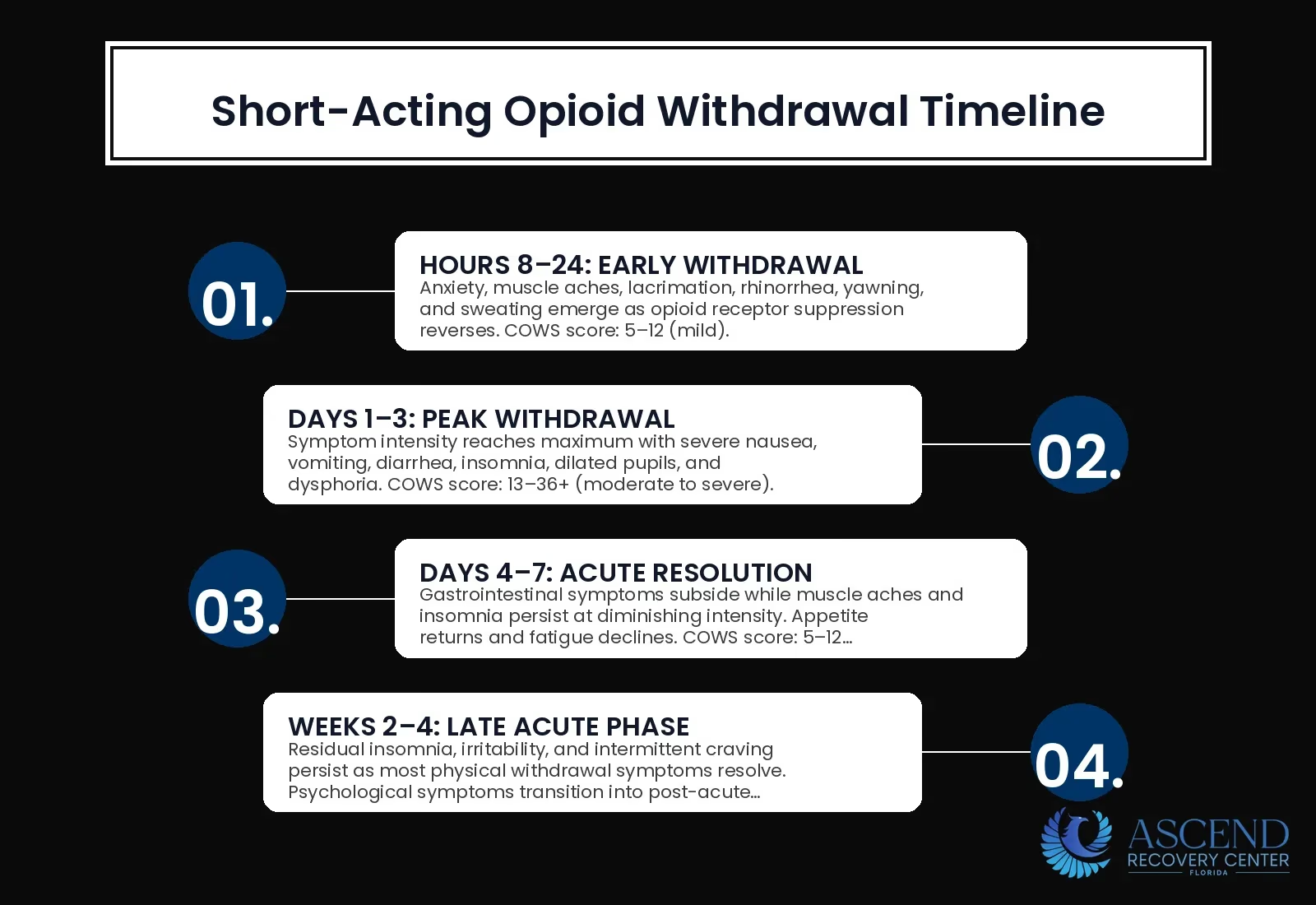
Short-acting opioid withdrawal progresses through 4 phases:
- Hours 8–24 (Early withdrawal) — anxiety, restlessness, muscle aches, increased lacrimation (tearing), rhinorrhea (runny nose), yawning, and diaphoresis (sweating). These early symptoms reflect the initial loss of opioid receptor suppression of the locus coeruleus noradrenergic system. COWS score: 5–12 (mild).
- Days 1–3 (Peak withdrawal) — symptom intensity reaches maximum. Severe gastrointestinal symptoms emerge: nausea, vomiting, diarrhea, and abdominal cramping. Additional peak symptoms include insomnia, mydriasis (dilated pupils), piloerection (goosebumps — origin of the term "cold turkey"), tachycardia, hypertension, and severe dysphoria. COWS score: 13–36+ (moderate to severe).
- Days 4–7 (Acute resolution) — gastrointestinal symptoms subside. Muscle aches and insomnia persist at diminishing intensity. Appetite begins returning. Fatigue and emotional lability remain. COWS score: 5–12 (declining).
- Weeks 2–4 (Late acute phase) — residual insomnia, irritability, and intermittent craving persist. Most physical withdrawal symptoms have resolved. Psychological symptoms (anhedonia, dysphoria, anxiety) continue and transition into the post-acute withdrawal period.
Fentanyl withdrawal follows the short-acting timeline but produces more intense peak symptoms due to fentanyl's high mu-opioid receptor affinity and the receptor saturation effect of chronic fentanyl exposure. For comprehensive information on medication-assisted treatment for heroin addiction, including MAT protocols that address fentanyl dependence, see Ascend's heroin treatment guide.
What Is the Withdrawal Timeline for Long-Acting Opioids?
The withdrawal timeline for long-acting opioids (methadone, extended-release morphine, extended-release oxycodone) spans 14–21 days, with symptom onset at 24–72 hours, peak severity at days 3–8, and acute resolution by days 14–21. Long-acting opioids have half-lives of 15–60 hours (methadone: 24–36 hours; extended-release formulations: 12–24 hours), producing a delayed and prolonged withdrawal course compared to short-acting opioids.
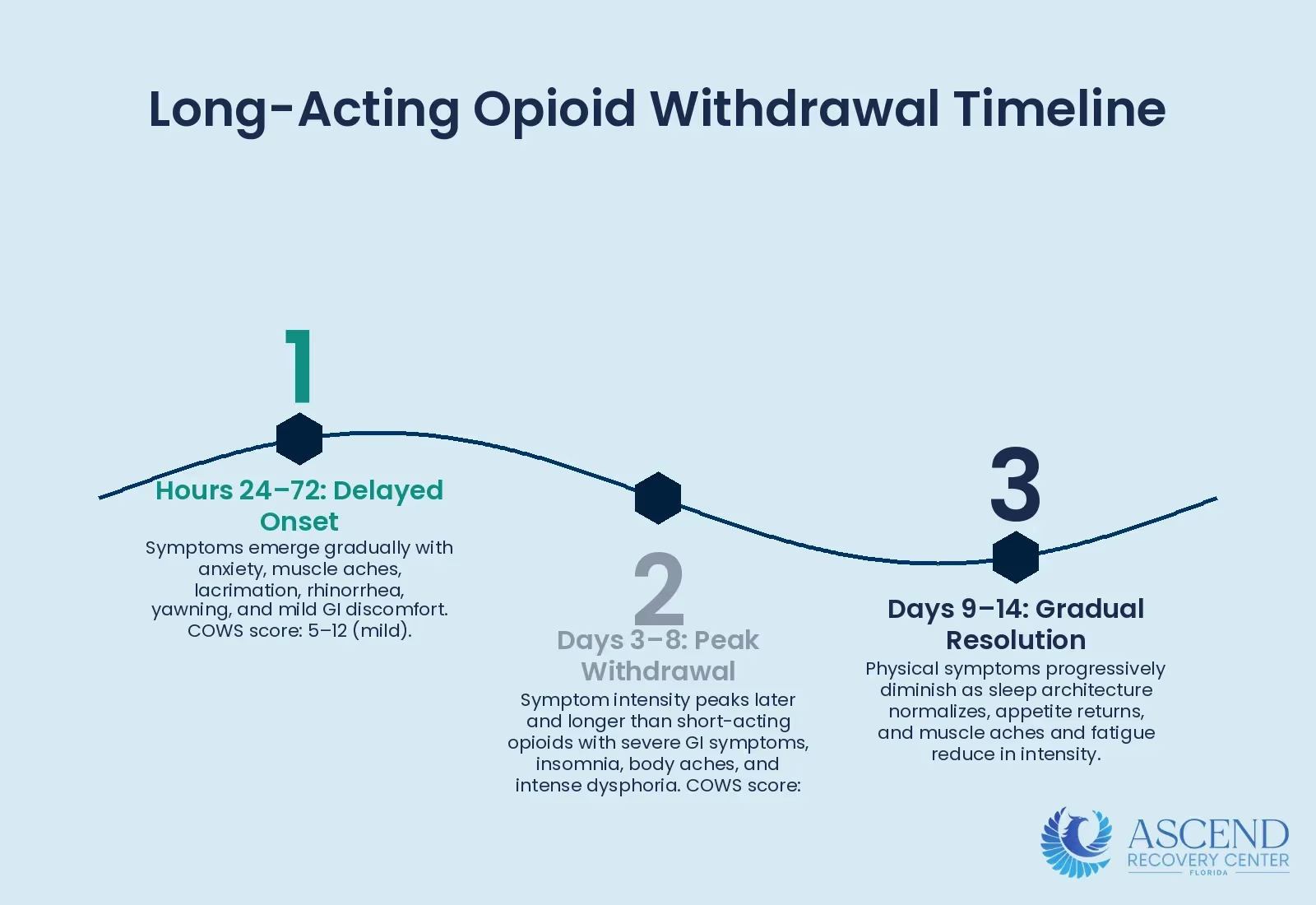
Long-acting opioid withdrawal progresses through 4 phases:
- Hours 24–72 (Delayed onset) — symptoms emerge gradually. Early signs mirror short-acting opioid withdrawal: anxiety, muscle aches, lacrimation, rhinorrhea, yawning, and mild gastrointestinal discomfort. The delayed onset causes some individuals to underestimate the severity of the coming withdrawal. COWS score: 5–12 (mild).
- Days 3–8 (Peak withdrawal) — symptom intensity peaks later and over a longer window than short-acting opioid withdrawal. Severe GI symptoms, insomnia, widespread body aches, diaphoresis, and intense dysphoria are present. The extended peak reflects the slow elimination of long-acting opioid metabolites. COWS score: 13–36+ (moderate to severe).
- Days 9–14 (Gradual resolution) — physical symptoms progressively diminish. Sleep architecture begins normalizing. Appetite returns. Muscle aches and fatigue persist at reduced intensity.
- Days 15–21 (Late resolution) — most acute physical symptoms have resolved. Residual insomnia, irritability, and anhedonia persist. Transition to the post-acute withdrawal phase begins.
Methadone withdrawal is the longest opioid withdrawal syndrome. Individuals on methadone maintenance at doses of 60 mg/day or higher experience withdrawal lasting 3–4 weeks when methadone is discontinued abruptly. Medically managed methadone tapers reduce dose by 5–10% per week over 3–6 months to minimize withdrawal severity. Individuals dependent on prescription opioids such as oxycodone or hydrocodone face a similar withdrawal profile; see prescription drug addiction treatment for drug-class-specific protocols.
What Are the 8 Common Symptoms of Opioid Withdrawal?
The 8 common symptoms of opioid withdrawal are muscle aches, gastrointestinal distress (nausea, vomiting, diarrhea), insomnia, anxiety, diaphoresis (sweating), lacrimation and rhinorrhea, pupil dilation (mydriasis), and dysphoria. These symptoms result from the abrupt removal of opioid receptor suppression of the sympathetic nervous system and locus coeruleus noradrenergic activity.
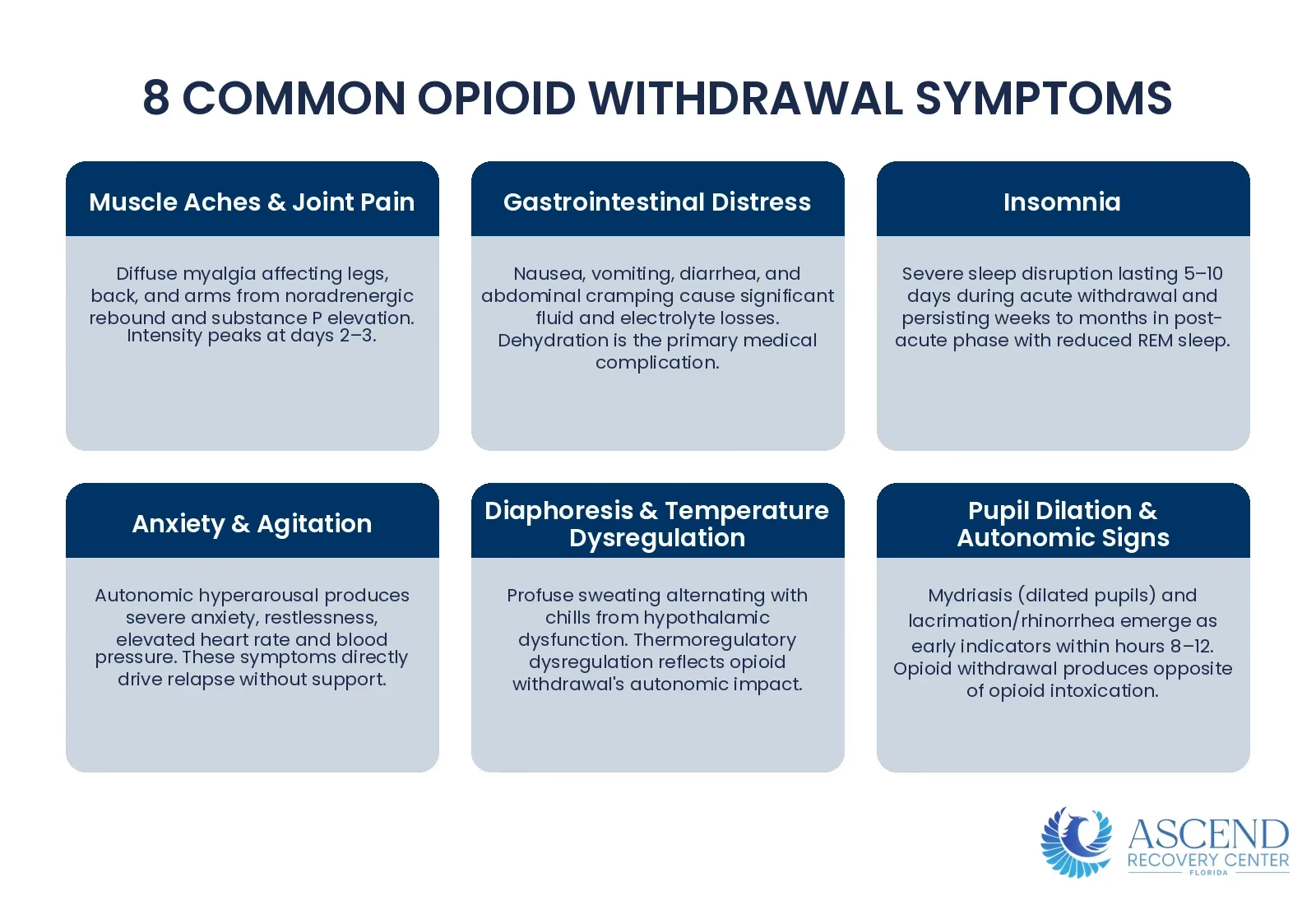
- Muscle aches and joint pain — diffuse myalgia affecting legs, back, and arms. Intensity peaks at days 2–3. The aching sensation results from noradrenergic rebound and substance P elevation in the absence of opioid-mediated pain suppression.
- Gastrointestinal distress — nausea, vomiting, diarrhea, and abdominal cramping. GI symptoms cause significant fluid and electrolyte losses that require monitoring. Dehydration from unmanaged GI symptoms is the primary medical complication of opioid withdrawal.
- Insomnia — severe sleep disruption lasting 5‒10 days during acute withdrawal and persisting for weeks to months in the post-acute phase. Sleep architecture disruption includes reduced REM sleep and frequent nocturnal awakenings.
- Anxiety and agitation — autonomic hyperarousal produces severe anxiety, restlessness, and inability to sit still. Heart rate and blood pressure elevate. These symptoms directly drive treatment-seeking and, without support, drive relapse.
- Diaphoresis — profuse sweating alternating with chills. Thermoregulatory dysregulation reflects hypothalamic dysfunction during opioid withdrawal.
- Lacrimation and rhinorrhea — excessive tearing and nasal discharge. These autonomic symptoms emerge first (hours 8‒12) and serve as early indicators of withdrawal onset.
- Mydriasis — dilated pupils. Pupil dilation is a reliable clinical sign of opioid withdrawal used in COWS assessment. Opioid intoxication produces miosis (constricted pupils); withdrawal produces the opposite.
- Dysphoria — intense emotional distress, depression, irritability, and anhedonia. Dysphoria results from dopaminergic downregulation in the nucleus accumbens and ventral tegmental area. Dysphoria drives relapse more than physical symptoms in the post-acute period.
Opioid withdrawal follows a predictable physiological timeline. Understanding that timeline — knowing that peak symptoms are finite and resolution is certain — reduces fear and increases treatment engagement.
What Is the COWS Scoring System for Opioid Withdrawal?
The Clinical Opiate Withdrawal Scale (COWS) is an 11-item clinician-administered assessment that scores opioid withdrawal severity on a scale of 0–48. COWS is the standard opioid withdrawal assessment instrument used in detox facilities, emergency departments, and opioid treatment programs across the United States. COWS scores guide medication dosing decisions and determine the appropriate timing for buprenorphine induction.
The 11 COWS assessment items are:
- Resting pulse rate (0–4)
- Sweating (0–4)
- Restlessness (0–3)
- Pupil size (0–5)
- Bone or joint aches (0–4)
- Runny nose or tearing (0–4)
- GI upset (0–5)
- Tremor (0–4)
- Yawning (0–4)
- Anxiety or irritability (0–4)
- Gooseflesh skin (0–7)
COWS score interpretation:
- 5–12: mild withdrawal — symptoms present but manageable. Buprenorphine induction is initiated at COWS score of 8–12 for short-acting opioids.
- 13–24: moderate withdrawal — significant discomfort. Medication intervention is indicated. Buprenorphine induction proceeds at this level.
- 25–36: moderately severe withdrawal — intense symptoms requiring aggressive pharmacological management.
- 37+: severe withdrawal — maximum symptom intensity. Full-dose buprenorphine or clonidine with supportive medications required.
COWS assessments are administered every 2–4 hours during the acute withdrawal period. Decreasing COWS scores over successive assessments confirm effective withdrawal management.
Does Your Insurance Cover Medical Detox?
Free, confidential verification in under 15 minutes.
What Medications Are Used for Opioid Detox?
The medications used for opioid detox are buprenorphine (partial mu-opioid agonist), clonidine (alpha-2 adrenergic agonist), and symptom-specific adjunct medications including loperamide, ondansetron, and trazodone. Medication-assisted opioid detox reduces withdrawal severity by 60–80% compared to unmedicated withdrawal.
- Buprenorphine (Subutex, Suboxone) — partial mu-opioid agonist that binds opioid receptors with high affinity but produces only partial activation, relieving withdrawal symptoms without producing full opioid effects. Induction timing is critical: buprenorphine induction begins at COWS score of 8–12 for short-acting opioids to avoid precipitated withdrawal. Initial dose: 2–4 mg sublingual. Titrate to 8–16 mg/day over 24–48 hours. Buprenorphine continuation as medication-assisted treatment (MAT) reduces opioid relapse rates by 50–75% compared to abstinence-based approaches (Mattick et al., 2014, Cochrane Review).
- Clonidine — alpha-2 adrenergic agonist that suppresses noradrenergic hyperactivity in the locus coeruleus, reducing autonomic withdrawal symptoms: sweating, tachycardia, hypertension, anxiety, and muscle aches. Dose: 0.1–0.3 mg every 6–8 hours. Monitor for hypotension (systolic blood pressure below 90 mmHg) and bradycardia. Clonidine does not relieve GI symptoms, insomnia, or craving.
- Loperamide (Imodium) — peripherally acting mu-opioid agonist that reduces diarrhea without central nervous system effects at therapeutic doses. Dose: 4 mg initially, then 2 mg after each loose stool, maximum 16 mg/day.
- Ondansetron (Zofran) — 5-HT3 receptor antagonist anti-emetic. Dose: 4–8 mg every 8 hours for nausea and vomiting management.
- Trazodone — serotonin receptor antagonist and reuptake inhibitor used for insomnia during withdrawal. Dose: 50–100 mg at bedtime. Non-addictive alternative to benzodiazepine sleep aids.
- Dicyclomine (Bentyl) — anticholinergic antispasmodic for abdominal cramping. Dose: 10–20 mg every 6 hours.
What Is Post-Acute Withdrawal Syndrome (PAWS) After Opioid Detox?
Post-acute withdrawal syndrome (PAWS) after opioid detox is a prolonged withdrawal phase lasting 2–6 months characterized by mood dysregulation, sleep disturbance, cognitive impairment, and episodic craving. PAWS affects approximately 90% of individuals recovering from opioid use disorder (Satel et al., 1993). PAWS results from the slow normalization of neuroreceptor systems (mu-opioid, dopaminergic, noradrenergic) that were chronically altered by opioid exposure.
The 6 primary PAWS symptoms after opioid detox are:
- Dysphoria and anhedonia — persistent low mood and inability to experience pleasure from activities that previously produced satisfaction. Dopaminergic downregulation in the nucleus accumbens underlies anhedonia. Duration: 2–6 months.
- Insomnia — difficulty falling asleep, maintaining sleep, and achieving restorative sleep. Sleep architecture normalization takes 3–6 months. Non-pharmacological sleep hygiene interventions are the first-line approach.
- Anxiety — episodic and generalized anxiety disproportionate to situational stressors. Noradrenergic system normalization is gradual, producing periods of heightened anxiety for 2–4 months.
- Cognitive impairment — reduced concentration, impaired short-term memory, and difficulty with decision-making. Cognitive function recovers over 3–6 months with sustained abstinence.
- Irritability — emotional reactivity and low frustration tolerance. Serotonergic and GABAergic normalization contributes to irritability during the PAWS period.
- Episodic craving — sudden, intense urges to use opioids triggered by environmental cues, stress, or emotional states associated with prior opioid use. Craving episodes decrease in frequency and intensity over 3–6 months.
PAWS is the period of highest relapse vulnerability. Ongoing behavioral treatment during PAWS provides coping strategies, craving management techniques, and accountability structures. For a broader overview of detoxification and post-acute withdrawal across all substance classes, see drug and alcohol detoxification and withdrawal management. PHP and IOP programming at Ascend Recovery Center spans the critical PAWS period.
The most dangerous moment in opioid recovery is the first 2 weeks after detox completion. Tolerance drops within days, but environmental cues and craving persist for months. Immediate transition to structured treatment addresses this critical vulnerability window.
What Happens After Opioid Detox?
After opioid detox, the individual transitions to structured behavioral treatment at the PHP or IOP level and, when clinically indicated, continues medication-assisted treatment (MAT) with buprenorphine or naltrexone. The combination of behavioral treatment and MAT produces the best outcomes for opioid use disorder — 12-month retention rates of 60–70% with combined treatment versus 20–30% with behavioral treatment alone (SAMHSA, 2024).
Post-detox treatment at Ascend Recovery Center includes:
- Partial Hospitalization Program (PHP) — 5–6 days per week, 5–6 hours per day. Individual therapy (CBT, DBT, motivational interviewing), process groups, psychoeducation, and psychiatric medication management. PHP provides the daily structure needed during the early post-detox period when PAWS symptoms are most intense and relapse risk is highest.
- Intensive Outpatient Program (IOP) — 3–5 days per week, 3 hours per day. Step-down from PHP. Continued therapeutic support with increasing independence and community reintegration.
- Medication-assisted treatment (MAT) continuation — buprenorphine (Suboxone) or naltrexone (Vivitrol) prescribed and monitored by Ascend's psychiatric team. MAT reduces opioid craving, blocks opioid euphoria (naltrexone), and reduces overdose mortality by 50% or more (Sordo et al., 2017, BMJ).
- Relapse prevention planning — identification of high-risk situations, development of coping responses, establishment of recovery support networks, and creation of a written relapse prevention plan.
Contact Ascend Recovery Center at (561) 956-1082 or visit the to coordinate transition from opioid detox to PHP or IOP treatment. is completed within 24 hours.
Is opioid detox just a matter of toughing out a few bad days?
Common Misconception
"Opioid detox is just a few rough days, then you're fine."
What the Evidence Shows
Acute opioid withdrawal lasts roughly 4–10 days, but post-acute symptoms and overdose risk persist far longer — and detox alone has a high relapse rate. Because tolerance drops sharply during withdrawal, returning to a prior dose after detox is a leading cause of fatal overdose. Medication-assisted treatment (buprenorphine, methadone, naltrexone) reduces opioid overdose mortality by over 50% and is the evidence-based path beyond the acute timeline.
National Institute on Drug Abuse; Cochrane reviews of medication-assisted treatment for opioid use disorder.