


Referenced in this article
Key Takeaways
- Medication-assisted treatment combines FDA-approved medications with behavioral therapy to treat opioid and alcohol use disorders — reducing opioid-related mortality by 40–50% in clinical trials; SAMHSA and ASAM both classify MAT as the evidence-based standard of first-line care.
- Buprenorphine (Suboxone, Sublocade) is the most widely used MOUD: its partial agonist mechanism with ceiling effect substantially reduces overdose risk compared to full opioids, and a 2014 Cochrane review of 31 RCTs confirms it is superior to placebo on all outcome measures including mortality.
- Naltrexone (Vivitrol) is a non-opioid option for both opioid and alcohol use disorder with no abuse potential; the primary limitation is induction — patients must be fully opioid-free for 7–14 days before the first dose, making it most practical for patients already abstinent at assessment.
- The 30 days following discharge from detox or inpatient treatment without MAT initiation is the highest overdose risk window in the addiction treatment continuum — tolerance loss means the pre-treatment dose is potentially lethal, and this risk is dramatically reduced with immediate MAT.
- MAT duration should be indefinite for most moderate-to-severe OUD patients per ASAM and SAMHSA guidelines — premature discontinuation driven by program timelines, insurance limits, or stigma significantly increases relapse and overdose mortality; the decision to taper must be patient-initiated and clinically supervised.
What Is Medication-Assisted Treatment?
Medication-assisted treatment (MAT) is defined by SAMHSA as the use of FDA-approved medications, in combination with counseling and behavioral therapies, to provide a whole-patient approach to the treatment of substance use disorders — not a replacement for behavioral treatment, but an integration of pharmacological and psychosocial interventions that together outperform either approach alone. The term covers distinct medication classes for different substances: opioid use disorder is treated with buprenorphine, methadone, or naltrexone; alcohol use disorder is treated with naltrexone, acamprosate, or disulfiram. There is no approved MAT for stimulant use disorders (methamphetamine, cocaine), which remain dependent on behavioral intervention.
The single most damaging misconception about MAT is the claim that it substitutes one addiction for another — a framing applied most commonly to buprenorphine and methadone. This misconception fails on every clinical and pharmacological level:
- Addiction is defined by compulsive use despite harmful consequences, loss of control, and functional impairment — not by the mere presence of a substance in the body; a person taking prescribed buprenorphine daily, attending treatment, maintaining employment, and rebuilding relationships is not exhibiting addiction, they are exhibiting recovery
- Buprenorphine and methadone stabilize neurochemistry — they eliminate withdrawal and craving without producing the intoxication, euphoria, or behavioral dyscontrol of illicit opioid use; stable receptor occupancy is fundamentally different from the cycles of peak and trough that drive compulsive drug-seeking behavior
- The clinical consequence of this stigma is lethal: individuals who internalize the "trading addictions" framing delay treatment, refuse MAT, or discontinue medications prematurely; overdose rates in the 30 days following premature buprenorphine discontinuation are 5–10 times higher than in individuals maintained on medication
SAMHSA and ASAM both classify MAT as medically necessary, evidence-based treatment for opioid and alcohol use disorders — equivalent to insulin for diabetes or antihypertensives for blood pressure. SAMHSA Treatment Improvement Protocol (TIP) 63, Medications for Opioid Use Disorder, codifies this standard of care. Among the 3 opioid use disorder medications, buprenorphine is the most widely prescribed first-line option — and its pharmacology explains why.

FDA-Approved MAT Medications by Substance
Partial opioid agonist (Suboxone, Sublocade); eliminates withdrawal and cravings; ceiling effect reduces overdose risk; prescribable in any treatment setting including PHP and IOP
Full opioid agonist; dispensed only through federally licensed Opioid Treatment Programs (OTPs); higher retention rates in most severe OUD presentations
Opioid antagonist (Vivitrol); monthly injectable or daily oral; blocks all opioid and alcohol reward; requires full detox before induction — no abuse potential
Pure opioid antagonist (Narcan); reverses overdose within minutes; not a treatment medication but a life-saving intervention prescribed alongside MAT for all opioid patients
Reduces post-acute withdrawal symptoms and craving; strongest evidence for maintaining abstinence after detox; not effective during active drinking
Creates severe nausea and vomiting if alcohol is consumed (aversion therapy); requires high motivation and close adherence monitoring to be effective

 FL DCF LicensedFARR Certified
How Does Buprenorphine Work for Opioid Use Disorder?
Buprenorphine is a partial mu-opioid agonist — it activates opioid receptors with enough affinity to prevent withdrawal and eliminate cravings, but with a pharmacological ceiling effect that substantially reduces overdose risk compared to full opioid agonists and makes it the preferred first-line medication for opioid use disorder in most outpatient treatment settings.
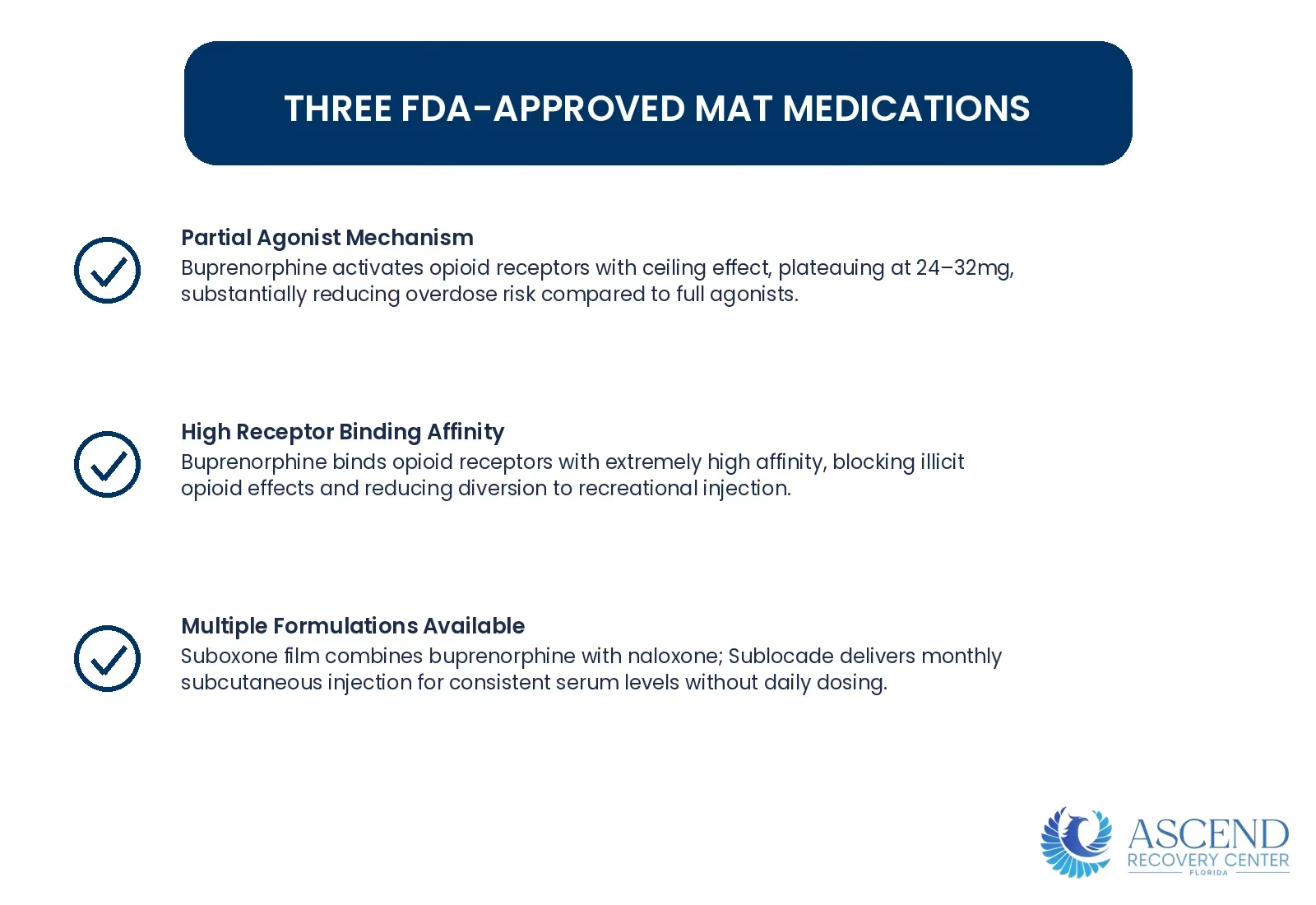
Understanding buprenorphine's mechanism explains both its clinical effectiveness and its safety advantages:
- Partial agonism with ceiling effect: unlike full agonists (heroin, oxycodone, methadone), buprenorphine's stimulation of opioid receptors plateaus at moderate doses — increasing the dose above approximately 24–32mg produces minimal additional receptor activation; this ceiling effect means that escalating doses do not produce proportional respiratory depression, which is the mechanism of opioid overdose; this makes buprenorphine substantially safer in overdose than full agonists
- High receptor binding affinity: buprenorphine binds opioid receptors with extremely high affinity — if a patient takes illicit opioids while on buprenorphine, those opioids largely cannot bind to occupied receptors; this partial blockade reduces the rewarding effects of concurrent opioid use and deters diversion to recreational injection
- Suboxone (buprenorphine/naloxone film): the most prescribed formulation combines buprenorphine with naloxone in a 4:1 ratio; naloxone is added to deter injection — if the film is dissolved and injected, the naloxone is fully absorbed and precipitates immediate opioid withdrawal; when taken sublingually as prescribed, naloxone has near-zero oral bioavailability and does not interfere with buprenorphine's therapeutic effect
- Sublocade (extended-release injectable): a monthly subcutaneous buprenorphine injection — 300mg for the first 2 months, then 100mg monthly for maintenance — that eliminates the daily adherence challenge of sublingual film; delivers consistent serum levels without the peaks and troughs of daily dosing; particularly valuable for patients with adherence challenges or diversion risk
- Induction protocol: the first buprenorphine dose must be administered when the patient is in mild-to-moderate opioid withdrawal (Clinical Opiate Withdrawal Scale score of 8 or higher); initiating buprenorphine before sufficient withdrawal has developed precipitates abrupt, severe withdrawal by displacing active opioids from receptors; starting dose is typically 2–4mg sublingual, observed for 60–90 minutes, with titration to comfort over 3–5 days; maintenance doses range from 16–24mg/day for most patients
The evidence base for buprenorphine is extensive: a 2014 Cochrane meta-analysis of 31 randomized controlled trials (Mattick et al.) found buprenorphine maintenance superior to placebo on all outcome measures, including illicit opioid use, treatment retention, and mortality. Long-term buprenorphine maintenance reduces all-cause mortality in OUD by 40–50% compared to untreated opioid use disorder. Since Section 1262 of the Consolidated Appropriations Act of 2023 (the MAT Act) eliminated the DATA 2000 X-waiver, any DEA-registered prescriber can prescribe buprenorphine for opioid use disorder. At ASAM-certified PHP and IOP programs, buprenorphine induction and medication management are integrated into the treatment structure — patients receive weekly prescriber contact during PHP and biweekly during IOP. For patients whose opioid tolerance exceeds what buprenorphine stabilizes, methadone is the full-agonist alternative.
Buprenorphine-integrated PHP and IOP treatment is available at DCF-licensed programs. to confirm coverage and begin assessment.
How Does Methadone Work for Opioid Use Disorder?
Methadone is a full mu-opioid agonist with a uniquely long half-life of 24–36 hours — it completely occupies opioid receptors, eliminates withdrawal and cravings, and creates stable plasma levels without the peaks and troughs of shorter-acting opioids that drive compulsive drug-seeking behavior in opioid use disorder.
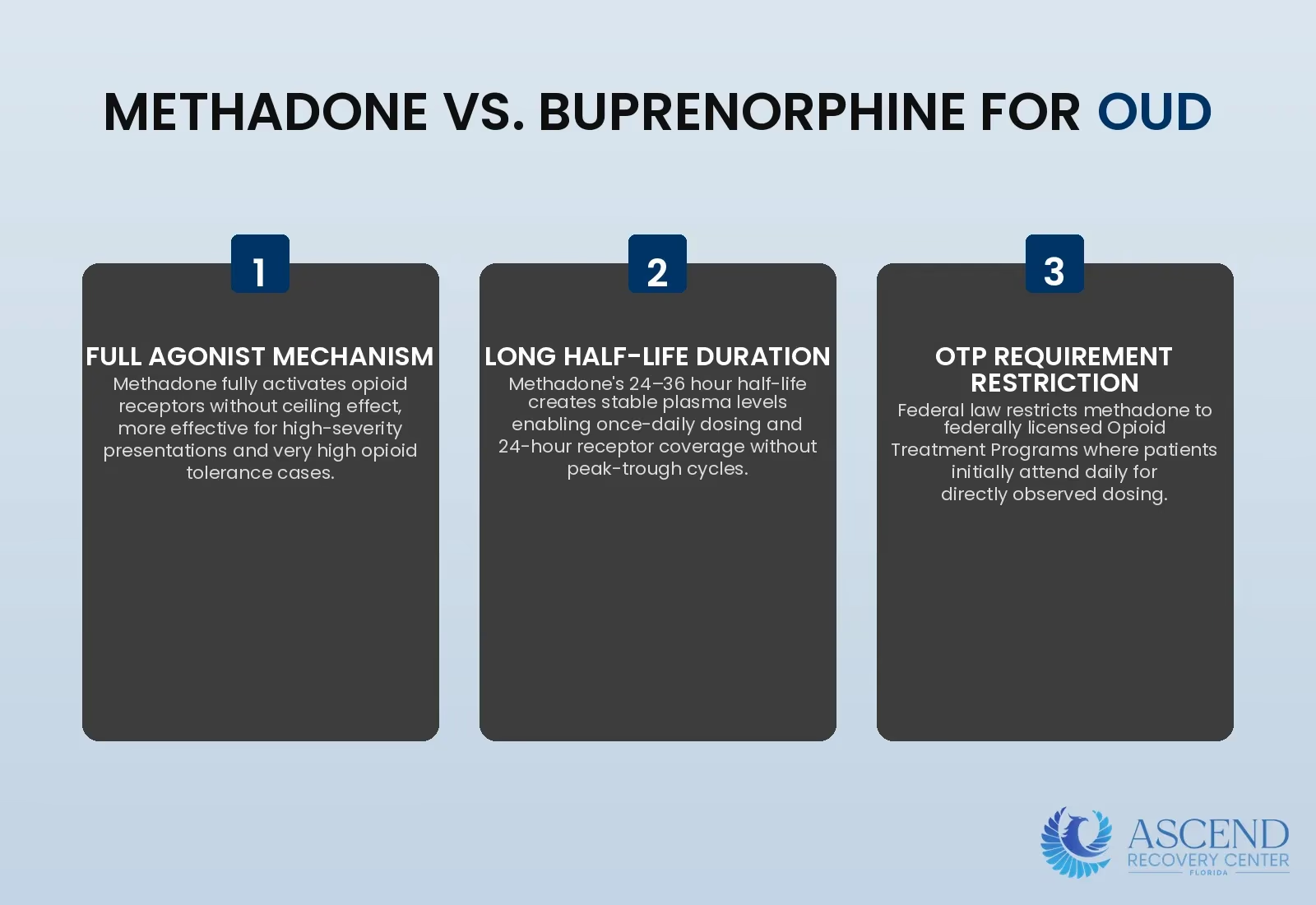
Key pharmacological and clinical points about methadone for OUD:
- Full agonist mechanism: unlike buprenorphine, methadone fully activates opioid receptors without a ceiling effect; this makes it more effective than buprenorphine for some high-severity presentations — particularly individuals with very high opioid tolerance, active injection drug use, or who did not achieve stabilization on buprenorphine; its long half-life means once-daily dosing can maintain 24-hour receptor coverage
- OTP requirement: federal regulation 42 CFR Part 8 restricts methadone for opioid use disorder to federally licensed Opioid Treatment Programs (OTPs); patients must attend the OTP in person to receive doses, initially every day; take-home doses are granted incrementally as patients demonstrate sustained compliance, sobriety on urine drug screens, and treatment stability; the structure of daily OTP attendance provides a social scaffolding that benefits some patients — daily face contact with clinical staff, peer community at the clinic, and accountability structure; SAMHSA's February 2024 revision of 42 CFR Part 8 made pandemic-era flexibilities permanent, allowing up to 28 take-home doses for stable patients
- Who benefits most from methadone: head-to-head comparisons consistently show methadone has higher retention rates than buprenorphine in the most severe OUD presentations — those with high daily opioid tolerance, long active use histories, multiple prior treatment failures, or IV drug use history; for moderate-severity OUD with stable social circumstances, buprenorphine in an office-based setting is preferred for its safety profile and accessibility
- Risks and monitoring: methadone carries risks not present with buprenorphine — QT interval prolongation (requiring baseline and monitoring ECGs), higher overdose risk in isolation (no ceiling effect on respiratory depression), and a larger number of significant drug-drug interactions; these risks are managed within the OTP framework with mandatory medical monitoring
- PHP/IOP programs and methadone: methadone for OUD requires a licensed OTP facility and cannot be prescribed or dispensed in a standard PHP or IOP outpatient setting; ASAM-certified PHP and IOP programs provide buprenorphine-based MAT within structured outpatient treatment and coordinate warm referrals to licensed OTPs for patients whose clinical presentation requires methadone; contact an ASAM-certified admissions team for referral guidance
For patients transitioning from methadone to buprenorphine — a common scenario when patients relocate or prefer office-based prescribing — the induction process requires a careful taper to low methadone doses (typically 30mg or lower) before buprenorphine can be safely initiated, due to the risk of precipitated withdrawal from buprenorphine's high-affinity displacement of methadone. Patients who want no opioid agonist at all have a third medication option: naltrexone.
Medications for opioid use disorder reduce the risk of fatal overdoses by approximately 50 percent while also reducing the risk of nonfatal overdoses, infectious disease transmission, and criminal activity. They are effective, safe, and vastly underused.
How Does Naltrexone Work for Opioid and Alcohol Use Disorder?
Naltrexone is a pure opioid antagonist — it completely blocks all opioid receptors with no intrinsic agonist activity, which means it is not an opioid, has no abuse potential, is not DEA-scheduled, and produces no euphoria or physical dependence, making it the preferred MAT option for patients ideologically opposed to opioid-based medications or those whose presentations prioritize adherence monitoring.
Naltrexone operates through two distinct clinical applications:
- For opioid use disorder: opioid receptor blockade means that if a patient uses opioids while on naltrexone, opioid reward is blocked — but the blockade is surmountable, and the FDA label warns that attempting to override it with large doses can cause fatal overdose — heroin, fentanyl, oxycodone — blocked at the receptor level; this extinction mechanism gradually reduces conditioned craving responses by eliminating the reward that reinforced them; available as a daily oral tablet (50mg) or a monthly injectable (Vivitrol, 380mg IM)
- For alcohol use disorder: alcohol produces its reward partly through the release of endogenous opioids (beta-endorphin) in reward circuits; naltrexone blocks the opioid receptors that receive this endorphin release, reducing the pleasurable effects of alcohol and decreasing cravings; the NEJM-published COMBINE study (2006) and multiple meta-analyses confirm significant reductions in heavy drinking days and relapse rates compared to placebo
- The induction challenge: naltrexone's most significant clinical limitation is the induction requirement; patients must be fully opioid-free — no opioids of any kind including prescription pain medications — for a minimum of 7–10 days before oral naltrexone and 14 days or more before injectable Vivitrol; initiating naltrexone while any opioids remain in the body precipitates abrupt, severe withdrawal; this induction barrier is the primary reason naltrexone demonstrates lower retention rates than buprenorphine in head-to-head trials — the 2018 Lee et al. NEJM trial found comparable outcomes between extended-release naltrexone and buprenorphine in patients who achieved induction, but significantly higher treatment discontinuation in the naltrexone arm due to induction failure
- Advantages of naltrexone: no opioid pharmacology (appropriate for patients philosophically opposed to buprenorphine or methadone), monthly injectable Vivitrol eliminates daily adherence burden, no DEA scheduling or special prescriber certification required, dual indication for opioid and alcohol use disorder
- Monitoring requirements: liver enzyme monitoring (ALT, AST) is required — naltrexone can cause hepatotoxicity at very high doses; standard therapeutic doses rarely cause clinically significant liver injury, but monitoring is protocol; patients with active hepatitis or severe liver disease require careful evaluation before naltrexone initiation
Naltrexone is an available MAT option for both opioid and alcohol use disorder within PHP and IOP programming at ASAM-certified programs. The clinical team completes comprehensive ASAM assessment to match medication to patient — substance, severity, tolerance, prior treatment history, patient preference, and co-occurring conditions all inform the recommendation. Randomized head-to-head trials of these 3 medications form the evidence base that answers whether MAT works.
Naltrexone and buprenorphine-integrated PHP and IOP treatment is available at DCF-licensed programs. to confirm benefits and begin assessment.
FL DCF LicensedFARR CertifiedDoes Your Insurance Cover Drug Rehab Education?
Free, confidential verification in under 15 minutes.
Does MAT Work? What Does the Evidence Say?
The evidence base for medication-assisted treatment is among the most robust in all of addiction medicine — with over three decades of randomized controlled trial data, systematic reviews, and population-level mortality studies consistently demonstrating that MAT reduces opioid use, reduces overdose deaths, reduces criminal activity, improves treatment retention, and improves social functioning compared to behavioral treatment alone or no treatment.
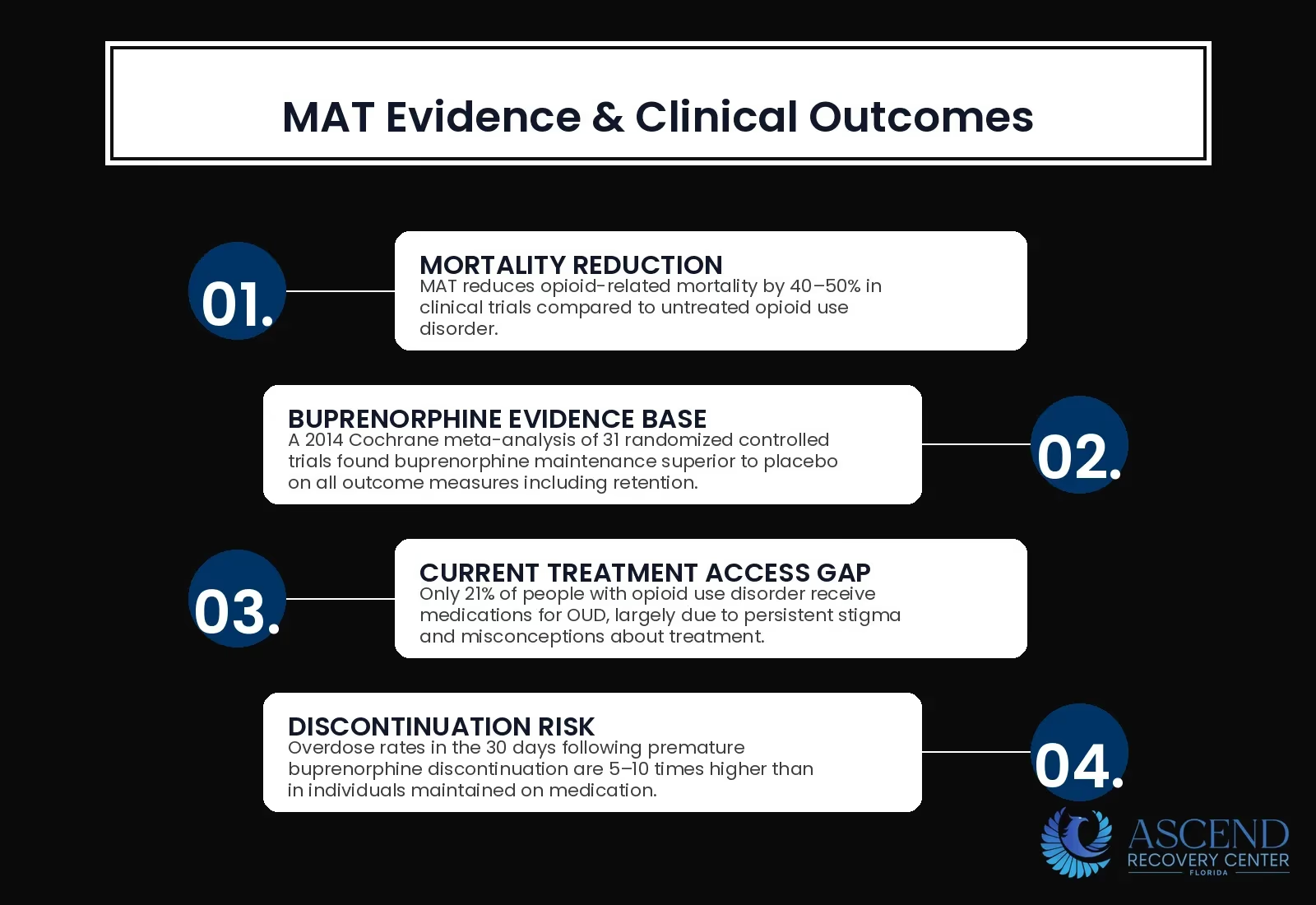
Key evidence milestones:
- Cochrane systematic review (Mattick et al., 2014): pooled analysis of 31 randomized controlled trials of buprenorphine maintenance versus placebo or no medication — buprenorphine maintenance was superior to control conditions on every outcome measure: illicit opioid use, treatment retention, HIV risk behavior, and mortality; this represents the highest level of evidence in clinical medicine
- Head-to-head comparison (Lee et al., NEJM 2018): the X:BOT trial directly compared extended-release injectable naltrexone versus buprenorphine-naloxone in opioid use disorder; among patients who successfully completed induction, outcomes were statistically equivalent at 24 weeks — a landmark finding; the key difference was that naltrexone had higher induction failure rates in opioid-dependent patients, meaning buprenorphine reached more patients at the population level
- The SAMHSA treatment gap: despite this evidence, SAMHSA data shows only 21% of individuals with opioid use disorder receive MOUD; the treatment gap is driven by three factors — prescriber shortages (buprenorphine previously required a DEA waiver, removed in 2023), institutional and staff stigma that leads treatment programs to restrict or discourage MAT, and patient-level stigma from the "trading addictions" myth; each of these factors represents a policy-addressable barrier to evidence-based care
- 12-step and MAT: Alcoholics Anonymous General Service Office clarified in 2018 that the decision to take prescribed medication is between the patient and their physician, and that taking prescribed medications should not affect AA membership; Narcotics Anonymous has been historically more resistant to MAT; many individual 12-step groups across the country have evolved to actively welcome and support MAT patients; the clinical and recovery communities are increasingly aligned that MAT and peer support are complementary, not competing
- Post-detox mortality risk: the most clinically critical data point in MAT evidence — the 30 days following discharge from detox or inpatient treatment without MAT initiation represents the highest overdose risk period in the entire addiction treatment continuum; tolerance loss during abstinence means the pre-treatment dose is now potentially lethal; this window of risk is dramatically reduced with MAT initiation at or before discharge
ASAM-certified PHP programs and IOP programs integrate MAT as a standard component of opioid use disorder treatment — not an optional add-on but a clinically indicated first-line intervention for patients with opioid and alcohol use disorder.
For patients currently in the high-risk post-detox window, initiating MAT-integrated PHP or IOP is the most important clinical action. for same-day assessment and admissions support.
12-Month Opioid Abstinence Rates by Treatment Modality
Untreated opioid use disorder: approximately 10% in remission at 12 months; high mortality — opioid overdose death rate in untreated OUD is among the highest of any medical condition
Detox without MAT: approximately 20% abstinence at 12 months; 5–10x higher overdose risk in the first 30 days post-discharge compared to maintained MAT — tolerance loss makes the same dose lethal
Oral naltrexone approximately 25%; injectable naltrexone approximately 35% at 12 months; outcomes limited by adherence and the induction challenge in opioid-dependent patients
Buprenorphine maintenance: approximately 50% in remission at 12 months; 40–50% all-cause mortality reduction versus untreated OUD; highest evidence base of the three MOUD options
Combined medication with structured behavioral treatment (PHP/IOP): highest abstinence rates; optimal outcomes — MAT stabilizes neurochemistry so behavioral therapy can engage the full cognitive and emotional resources of the patient
FL DCF LicensedFARR CertifiedHow Is MAT Integrated into PHP and IOP Treatment?
Medication-assisted treatment in a PHP or IOP setting is not a standalone prescribing service — it is a fully integrated clinical component in which medication management, prescriber visits, urine drug screening, and behavioral therapy operate as a coordinated treatment system, with each element reinforcing the others to produce outcomes that neither medication nor therapy achieves in isolation.
The integration architecture of MAT-integrated PHP and IOP:
- Admissions MAT assessment: every patient presenting with opioid or alcohol use disorder is assessed for MAT appropriateness at admissions; the assessment covers substance, severity, tolerance, withdrawal risk, prior treatment history, co-occurring conditions, and patient preference; the clinical team formulates a medication recommendation and obtains informed consent before induction
- Buprenorphine induction during PHP: patients who are opioid-dependent and appropriate for buprenorphine initiate induction during the PHP week; the patient attends while in mild-to-moderate withdrawal (COWS score ≥8), receives the first sublingual dose in the clinic, is observed for 60–90 minutes for response, and has the dose titrated over 3–5 days to full stabilization; the PHP structure ensures daily clinical monitoring during the induction window — a significant advantage over office-based induction in patients without structured programming
- Medication management visits: patients on MAT have weekly prescriber appointments during PHP and biweekly appointments during IOP; visits include clinical assessment, dose adjustment as needed, review of side effects, and urine drug screen confirmation of both abstinence and medication compliance (buprenorphine metabolites confirm adherence)
- MAT as the platform for behavioral therapy: this is the critical clinical point that explains why MAT + behavioral therapy outperforms either alone — buprenorphine stabilizes opioid receptor tone and eliminates withdrawal and craving, which frees cognitive and emotional resources for therapeutic engagement; patients in active withdrawal cannot effectively participate in CBT, process trauma in EMDR, or build genuine peer connection; medication creates the neurological stability that makes therapy meaningful
- Prescriber handoff on program completion: MAT is a chronic disease management tool, not a time-limited acute intervention; at program completion, treatment programs coordinate warm handoffs to outpatient addiction medicine providers, primary care physicians with addiction training, or federally qualified health centers for ongoing prescribing; the continuity of medication after program discharge is one of the strongest predictors of long-term recovery outcomes
For patients with heroin addiction or fentanyl use disorder, buprenorphine maintenance is the clinical standard of care and is fully available within ASAM-certified outpatient treatment programs. Patients with alcohol use disorder can initiate naltrexone or acamprosate within the same integrated framework. or online. Whether MAT is the right choice for a specific patient is a shared clinical decision made through structured assessment.
In comparative effectiveness research, buprenorphine maintenance has been associated with a 40–50% reduction in all-cause mortality among persons with opioid use disorder. For a disease with mortality rates comparable to late-stage cancer, withholding this intervention on ideological grounds is clinically and ethically indefensible.
Is MAT Right for Everyone?
Medication-assisted treatment is not mandated — the decision is always a shared clinical process between the patient and the treatment team — but for individuals with moderate-to-severe opioid use disorder or alcohol use disorder, the evidence-based recommendation is unambiguous: MAT significantly improves outcomes and reduces mortality compared to behavioral treatment alone, and withholding it based on stigma or ideology represents a failure of evidence-based care.
MAT decision factors and patient profiles:
- Assessment dimensions: substance (opioid vs. alcohol vs. dual); severity (mild/moderate/severe DSM-5 SUD criteria); physical tolerance and dependence (a patient who is physiologically dependent on opioids has a fundamentally different risk profile than one without physical dependence); prior treatment history (number of prior attempts, what worked, what didn't, duration of previous medication trials); co-occurring conditions (psychiatric comorbidity influences medication selection); patient preference (patient acceptance is clinically necessary for adherence)
- Patients who prefer naltrexone over buprenorphine: those with a strong ideological preference for a non-opioid approach; patients who have already completed detox and are opioid-free for 14+ days at assessment; those with high intrinsic motivation and robust social support; patients who have alcohol use disorder as their primary concern with secondary opioid use; individuals in professional contexts (healthcare, transportation, security) with concerns about opioid prescribing on their record
- Abstinence-based approaches without MAT: clinically appropriate for mild opioid use disorder in patients without significant physical dependence; motivated patients with brief use histories, strong social support, and no prior relapse history; however, for moderate-to-severe OUD — especially with IV use history, fentanyl exposure, multiple prior relapses, or prior overdose — abstinence-based approaches without MAT carry substantially elevated overdose mortality risk; ASAM does not recommend withholding MAT in these presentations
- MAT and 12-step recovery: the perceived conflict between MAT and 12-step participation is largely a product of outdated group-level norms rather than official AA/NA policy; AA General Service Office's 2018 statement clarified that medication decisions are between patient and physician; most patients successfully participate in AA/NA while maintained on buprenorphine or naltrexone; clinical teams at evidence-based programs actively address this perceived conflict in psychoeducation and help patients identify MAT-welcoming 12-step communities
- Duration of MAT: ASAM and SAMHSA both recommend indefinite MAT for most patients with moderate-to-severe OUD — MAT treats a chronic brain disease, not an acute episode; premature discontinuation of buprenorphine is associated with high rates of relapse and elevated overdose mortality; the decision to taper medication should always be patient-initiated, clinically supervised, made from a position of sustained stability (stable social environment, employment, peer support, behavioral health), and never coerced by program staff, family pressure, or insurance timelines
ASAM-certified clinical teams conduct individualized ASAM Criteria assessments for every patient — level of care, MAT appropriateness, and medication selection are clinical decisions grounded in evidence, not ideology.
MAT-integrated PHP and IOP treatment is available at DCF-licensed programs. to confirm MAT benefits before your first appointment.
Are you 'not really in recovery' if you're on MAT?
Common Misconception
"If you need medication to stay off opioids, you're not truly sober or in recovery."
What the Evidence Shows
Medication-assisted treatment is the gold-standard, evidence-based care for opioid use disorder — recovery is measured by restored functioning, not by whether a person takes medication. Abstinence-only approaches carry higher relapse and overdose rates. SAMHSA, NIDA, and the World Health Organization all endorse MAT; stigmatizing it as 'not real recovery' is a documented barrier that costs lives.
SAMHSA, Medications for Substance Use Disorders; NIDA; WHO essential medicines list.


