


Referenced in this article
Key Takeaways
- The DSM-5 recognizes three primary bipolar subtypes: Bipolar I (mania required), Bipolar II (hypomania + depression), and Cyclothymic Disorder (sub-threshold mood swings for 2+ years).
- 12-month prevalence of bipolar disorder is 2.8% of U.S. adults per NIMH data, with the highest heritability of any psychiatric condition (60–85% per twin studies).
- Lithium is the gold-standard mood stabilizer with the strongest anti-suicide effect of any psychotropic medication.
- Antidepressants given alone are contraindicated in bipolar disorder — they can trigger mania or rapid cycling.
- 60% of clients with bipolar disorder also have a substance use disorder — the highest comorbidity rate of any psychiatric condition.
- Suicide is the leading mortality risk: lifetime attempt prevalence is approximately 34% and reported death-by-suicide rates range from 4% to 19%; 988 Lifeline is available 24/7 for crisis support.
What are the three DSM-5 types of bipolar disorder?
The DSM-5 recognizes three primary bipolar disorder subtypes plus two related conditions: Bipolar I Disorder, Bipolar II Disorder, Cyclothymic Disorder, substance/medication-induced bipolar disorder, and bipolar disorder due to another medical condition.
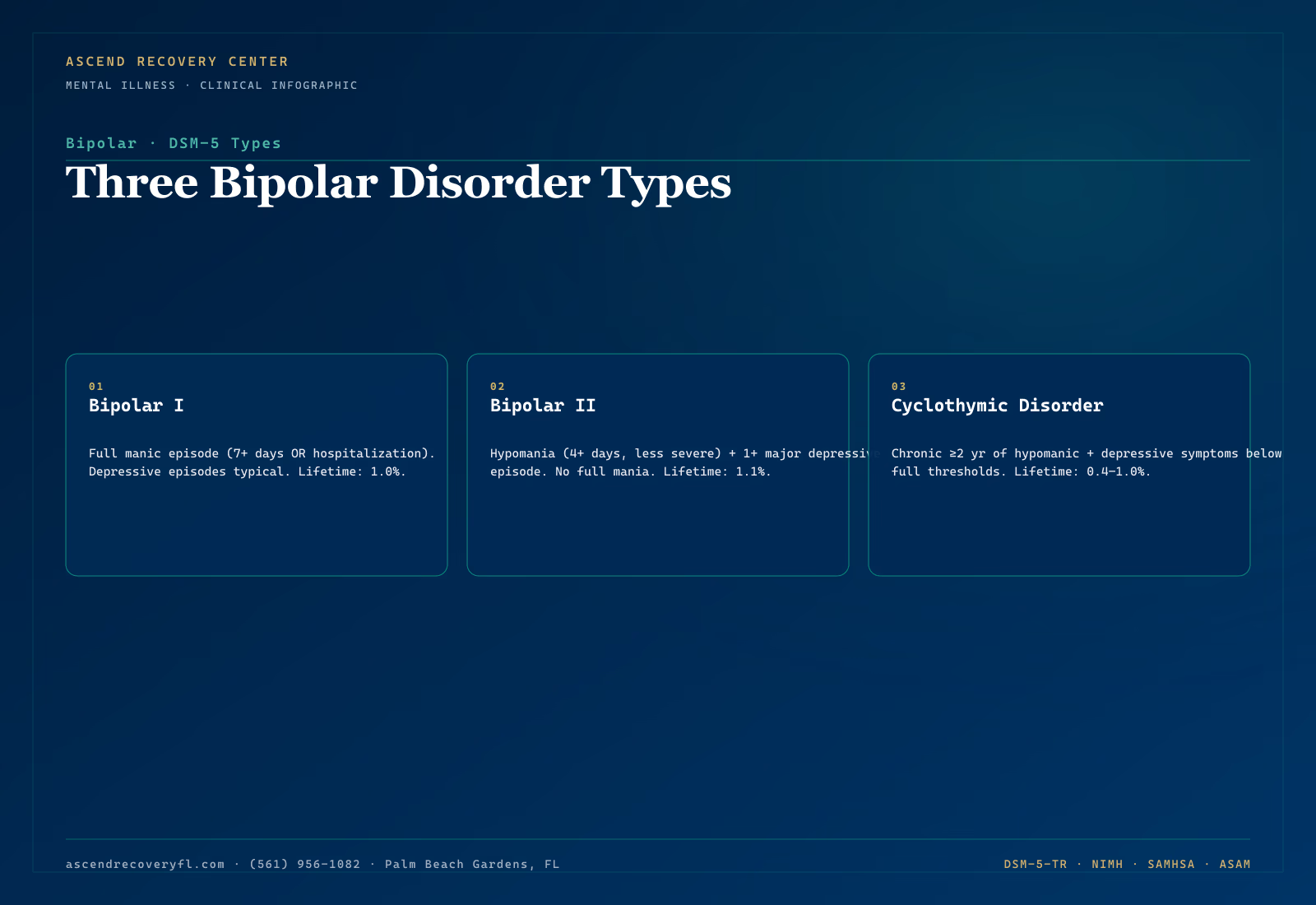
- Bipolar I Disorder: at least one full manic episode (lasting 7+ days or requiring hospitalization) — depressive episodes are common but not required for diagnosis. Most severe and impairing form. Lifetime prevalence: 1.0%.
- Bipolar II Disorder: at least one hypomanic episode (lasting 4+ days, less severe than mania) AND at least one major depressive episode, with no history of full mania. Often misdiagnosed as unipolar depression because the depressive episodes are more prominent than the hypomania. Lifetime prevalence: 1.1%.
- Cyclothymic Disorder: chronic fluctuating mood disturbance with numerous hypomanic and depressive symptoms for 2+ years (1+ year in children/adolescents), without ever meeting full criteria for hypomania or major depression. Lifetime prevalence: 0.4–1.0%.
- Other Specified Bipolar: presentations that have characteristic features of bipolar disorder but do not meet full criteria for any specific subtype.
The DSM-5 also specifies course features that significantly affect treatment: rapid cycling (4+ mood episodes in 12 months — 12–24% of cases), mixed features (concurrent manic and depressive symptoms within the same episode — common in bipolar II), psychotic features (delusions or hallucinations during mood episodes), peripartum onset, and seasonal pattern.
How are mania and hypomania different?
Mania and hypomania share the same symptom profile but differ in duration, severity, and functional impact: a manic episode lasts 7+ days (or requires hospitalization) with marked functional impairment or psychotic features, while a hypomanic episode lasts 4+ days with observable change in functioning but without marked impairment or psychosis.
Both episodes are diagnosed by a distinct period of abnormally and persistently elevated, expansive, or irritable mood AND abnormally and persistently increased goal-directed activity or energy, lasting most of the day nearly every day, with 3+ (or 4+ if mood is only irritable) of the following 7 symptoms:
- Inflated self-esteem or grandiosity
- Decreased need for sleep (feels rested after only 3 hours)
- More talkative than usual or pressure to keep talking
- Flight of ideas or subjective experience that thoughts are racing
- Distractibility (attention easily drawn to irrelevant stimuli)
- Increase in goal-directed activity (socially, at work, sexually) or psychomotor agitation
- Excessive involvement in activities with high potential for painful consequences (unrestrained spending, sexual indiscretions, foolish business investments)
The clinical distinction matters because Bipolar I (mania) requires more intensive treatment — typically lithium or atypical antipsychotic monotherapy with hospitalization for severe presentations — while Bipolar II (hypomania) often responds to quetiapine or lamotrigine combination treatment without hospitalization. Misdiagnosis is the leading clinical problem in bipolar disorder: average time from symptom onset to correct diagnosis is 8–10 years per the Stanley Foundation Bipolar Network registry.
What is the depression pattern in bipolar disorder?
Bipolar depression is clinically distinct from unipolar major depressive disorder in three ways: depressive episodes are typically more frequent than manic/hypomanic episodes (3:1 ratio in Bipolar I, 30:1 in Bipolar II), the depression itself often features atypical symptoms (hypersomnia, hyperphagia, leaden paralysis) rather than the typical depression profile (insomnia, anorexia, agitation), and antidepressants given alone can trigger mania or rapid cycling.
The three clinical implications:
- Bipolar depression is the dominant clinical state in Bipolar II. Clients with Bipolar II spend 35 times more days in depressive episodes than in hypomanic episodes per a 13-year STEP-BD follow-up. Hypomania may even be experienced as relief from depression rather than as illness, making early diagnosis difficult.
- Atypical features predominate. Bipolar depression more often presents with hypersomnia (>10 hours/day), increased appetite or weight gain, leaden paralysis (heavy, weighted-down feeling), interpersonal rejection sensitivity, and seasonal pattern. Mixed features (concurrent depressed mood with manic symptoms like racing thoughts) are common.
- Antidepressants alone are contraindicated. Giving an SSRI or SNRI to a client with undiagnosed Bipolar II can trigger mania, hypomania, or rapid cycling. Treatment requires a mood stabilizer foundation (lithium, lamotrigine, quetiapine) with cautious addition of antidepressants only when the mood is fully stabilized.
Every depression evaluation includes screening for prior manic or hypomanic episodes using the Mood Disorder Questionnaire (MDQ) or equivalent — failure to screen is the most common reason for missed bipolar diagnosis.
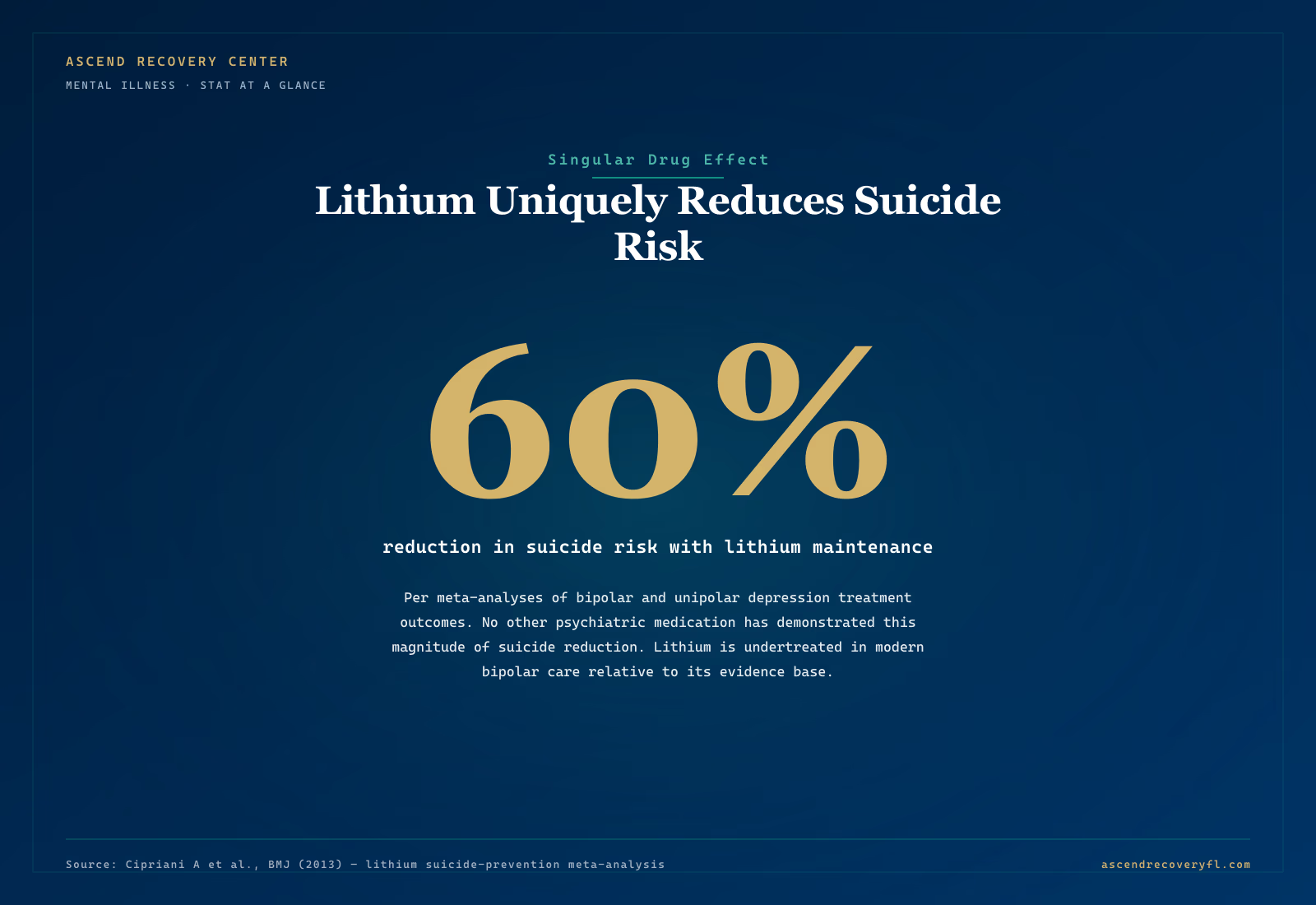
Lithium is the only psychiatric medication that uniquely reduces suicide risk — by approximately 60% in meta-analyses. No other mood stabilizer matches that effect. We undertreat lithium in modern bipolar care because of clinicians' kidney-function concerns, but the suicide-prevention data is unambiguous.
What evidence-based treatments work for bipolar disorder?
Mood stabilizer pharmacotherapy is the cornerstone of bipolar disorder treatment, with lithium as the gold-standard first-line agent. Anticonvulsants (valproate, lamotrigine, carbamazepine) and atypical antipsychotics (quetiapine, olanzapine, lurasidone, aripiprazole) are first-line alternatives. Adjunctive psychotherapy — particularly cognitive behavioral therapy, interpersonal social rhythm therapy, and family-focused therapy — significantly improves long-term outcomes.
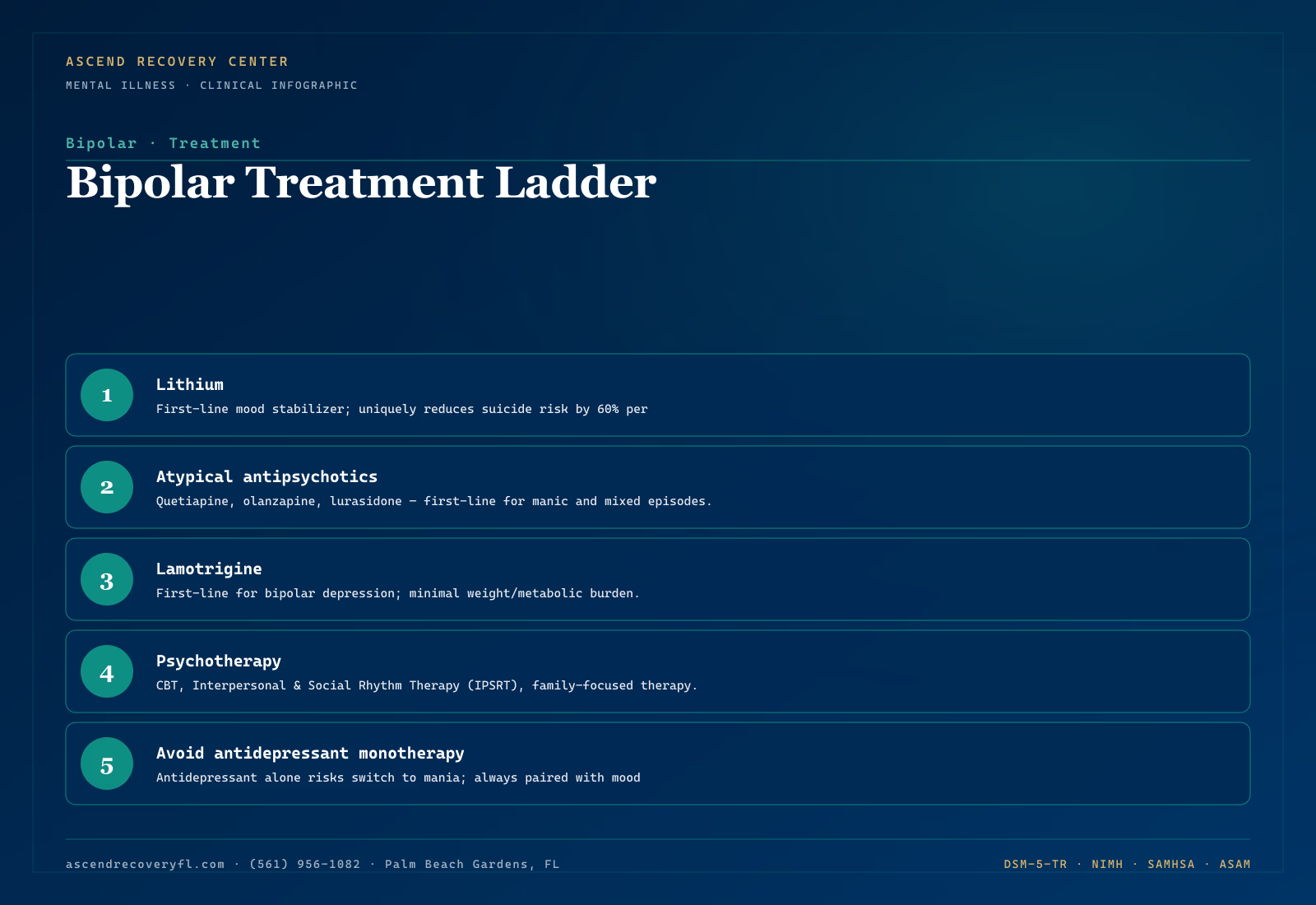
- Lithium: the gold-standard mood stabilizer; 70–80% response rate in classic Bipolar I mania; the only psychotropic medication with documented anti-suicide effect (60% reduction in suicide attempts per meta-analytic data). Requires serum-level monitoring (therapeutic range 0.6–1.2 mEq/L), thyroid and kidney function monitoring.
- Valproate (divalproex): equivalent first-line option, particularly for rapid cycling and mixed features; teratogenic in pregnancy.
- Lamotrigine: first-line for bipolar depression and Bipolar II maintenance; less effective for mania. Requires gradual titration to avoid Stevens-Johnson syndrome rash.
- Quetiapine, olanzapine, lurasidone, aripiprazole, cariprazine: atypical antipsychotics effective for mania and bipolar depression; first-line monotherapy or combination with lithium/valproate.
- Cognitive behavioral therapy (CBT): reduces depressive relapse rates by 30–40% when added to medication.
- Interpersonal Social Rhythm Therapy (IPSRT): stabilizes sleep-wake cycles and social routines — the strongest non-pharmacological predictor of mood stability.
- Family-Focused Therapy (FFT): 9-month family psychoeducation + communication skill-building; reduces relapse rates by 30% per Miklowitz randomized trials.
Does Your Insurance Cover Mental Illness Education?
Free, confidential verification in under 15 minutes.
How does bipolar disorder connect to substance use disorders?
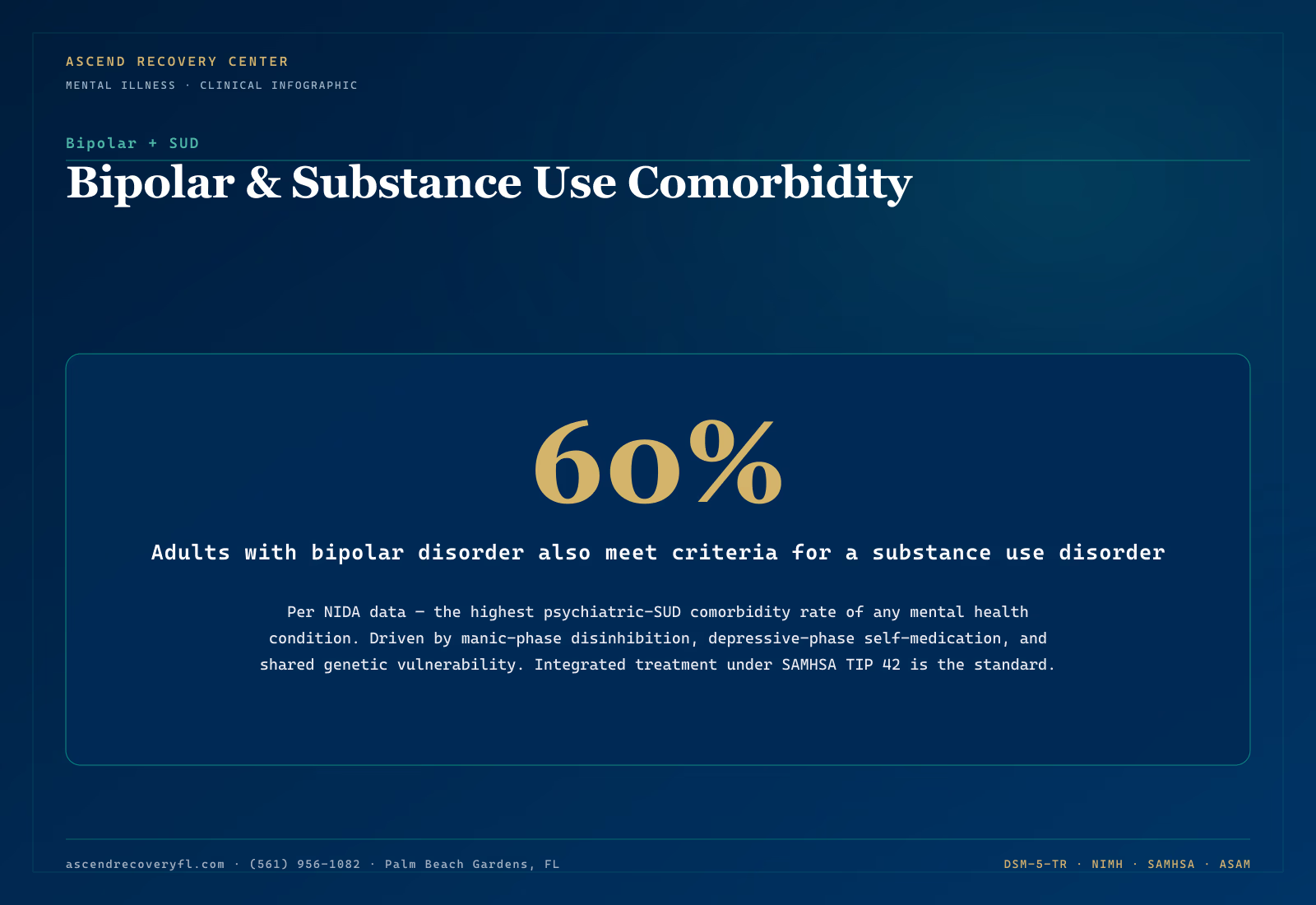
Bipolar disorder has the highest co-occurrence rate with substance use disorders of any psychiatric condition — 60% lifetime co-occurrence per NIDA data, compared to 32% for major depression and 24% for anxiety disorders. The bidirectional relationship is driven by impulsive substance use during mania, self-medication during depression, and shared neurobiological mechanisms involving dopamine reward circuitry.
The three mechanisms:
- Mania-driven impulsive use: during manic and hypomanic episodes, the impaired judgment, grandiosity, and reward-seeking behavior drive impulsive use of alcohol, cocaine, methamphetamine, and other stimulants. Many clients identify mania-onset substance use as the entry point for their substance use disorder.
- Depression-driven self-medication: during depressive episodes, clients use alcohol, cannabis, opioids, or benzodiazepines to manage anhedonia, insomnia, and emotional pain — a pattern that produces short-term symptom relief at the cost of worsening depression and emerging dependence.
- Shared neurobiology: both bipolar disorder and substance use disorders involve dysregulation of mesolimbic dopamine reward circuitry. The shared substrate explains why mood stabilizers reduce cravings in some clients and why integrated treatment is more effective than sequential treatment.
Co-occurring bipolar disorder and substance use disorder requires concurrent treatment: mood stabilizer pharmacotherapy plus addiction-focused behavioral therapy plus relapse prevention plus integrated psychiatric monitoring. Sequential treatment ("treat the addiction first, then the mood disorder") produces inferior outcomes per SAMHSA TIP 42 (Updated 2020). Dual diagnosis treatment at Ascend Recovery Center addresses both conditions in the same clinical episode.
The diagnostic delay in Bipolar II is the longest in psychiatry — averaging 10 years from first hypomanic episode to accurate diagnosis. Clients present in a depressive phase and get treated as unipolar depression, then the antidepressant precipitates a hypomanic episode. Asking about lifetime hypomanic symptoms before prescribing is non-negotiable.
When should you seek treatment for bipolar disorder?
Treatment is indicated for any client meeting DSM-5 criteria for Bipolar I, Bipolar II, or Cyclothymic Disorder — bipolar disorder is a chronic medical condition that requires ongoing pharmacotherapy and psychotherapy, not just acute episode management. The clinical evidence is unambiguous that earlier diagnosis and treatment engagement produce significantly better long-term outcomes than delayed treatment.
Five specific indicators that warrant immediate clinical evaluation:
- Mood episodes that interfere with work, school, relationships, or finances — particularly if episodes recur or are accompanied by impulsive decisions (unrestrained spending, sexual risk, substance use, job changes).
- Depression that doesn't respond to antidepressant monotherapy or worsens on antidepressants — a clinical warning sign for undiagnosed bipolar disorder.
- Family history of bipolar disorder combined with mood symptoms — heritability is 60–85% per twin studies, the highest of any psychiatric condition.
- Postpartum mood episode — postpartum mania or depression with mixed features is a strong predictor of bipolar disorder and requires immediate evaluation given the suicide and infanticide risk.
- Co-occurring substance use disorder with mood instability — particularly cocaine, methamphetamine, or alcohol use disorder, which co-occur with bipolar disorder at very high rates.
Ascend Recovery Center's bipolar disorder treatment at the PHP, IOP, and outpatient levels provides mood stabilizer initiation and management by a board-certified addiction psychiatrist, evidence-based psychotherapy (CBT, IPSRT, family-focused therapy), and integrated dual diagnosis care for clients with co-occurring substance use disorder.
Are 'mood swings' bipolar disorder?
Common Misconception
"Bipolar disorder is just mood swings. Anyone who has good days and bad days could be bipolar."
What the Evidence Shows
Bipolar disorder is defined by sustained mood episodes — not daily mood variation. DSM-5-TR requires a manic episode lasting at least 7 days (or any duration requiring hospitalization) for Bipolar I, and a hypomanic episode lasting at least 4 days for Bipolar II. The episode must include 3+ associated symptoms (decreased need for sleep, racing thoughts, grandiosity, etc.) plus marked functional impairment or impairment in relationships. Day-to-day mood variation in response to events is normal emotional reactivity — not a mood disorder.
American Psychiatric Association, DSM-5-TR (2022), Bipolar and Related Disorders — diagnostic criteria 296.41 (Bipolar I), 296.89 (Bipolar II).
Mood Disorder Screening — Adapted from the MDQ
Adapted from the Mood Disorder Questionnaire (Hirschfeld et al., 2000), the gold-standard bipolar disorder screener. Asks about your worst sustained mood elevation, not your current state. Takes 90 seconds.
Has there ever been a period when you felt so good or so hyper that other people thought you were not your normal self — or you were so hyper that you got into trouble?
Confidential · Not a clinical diagnosis · Your answers stay in your browser


