


Referenced in this article
Key Takeaways
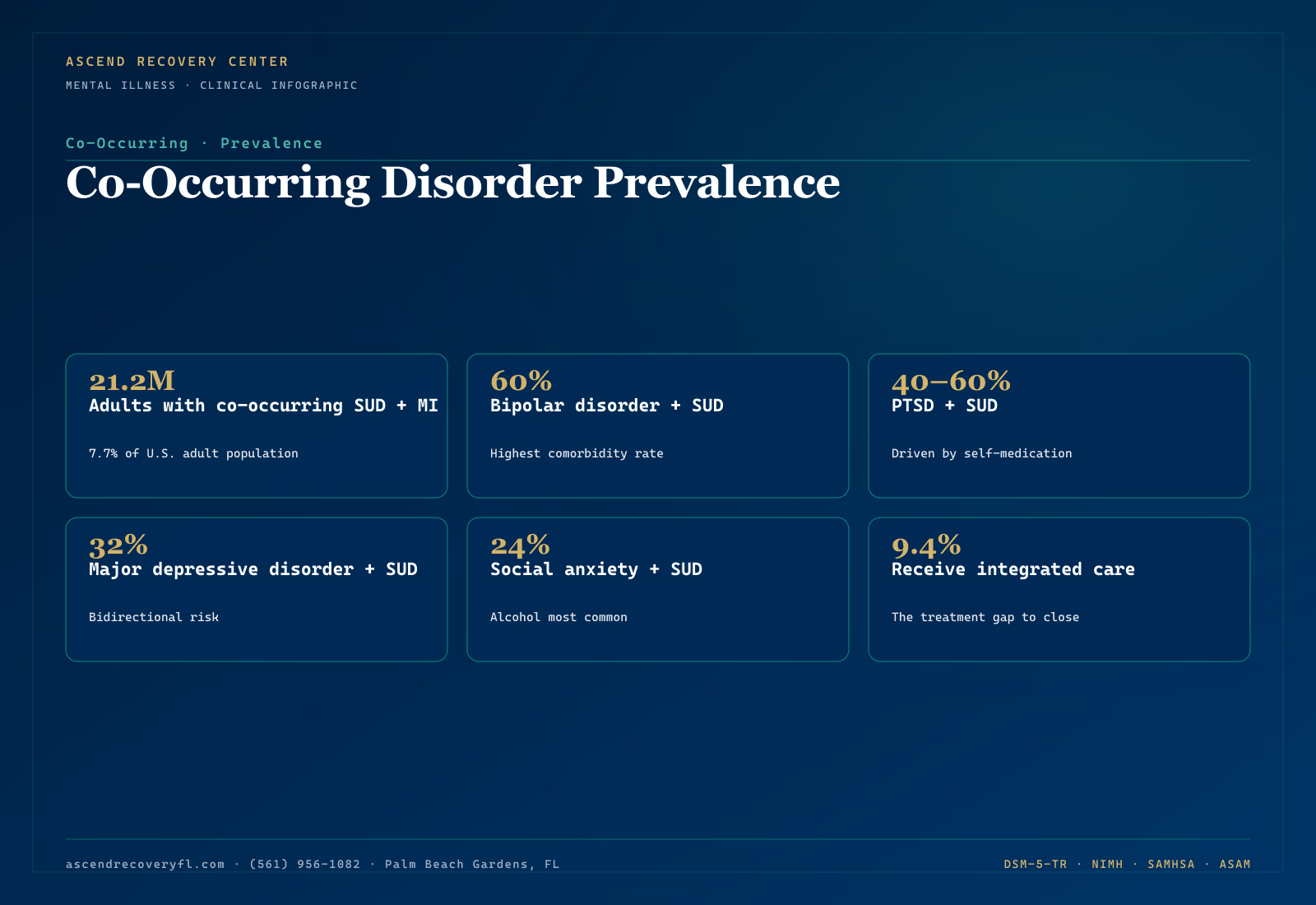
- Co-occurring disorders affect 21.2 million American adults (7.7% of the adult population) per 2024 SAMHSA NSDUH data.
- Prevalence is significantly higher within psychiatric populations: 60% of bipolar, 40–60% of PTSD, 32% of MDD, 24% of social anxiety disorder.
- Three theoretical models explain co-occurrence: self-medication, substance-induced disorders, and shared genetic/neurobiological vulnerability.
- Integrated treatment — both conditions treated concurrently in the same program by the same team — is the federal standard of care under SAMHSA TIP 42 (Updated 2020).
- Most addiction treatment programs lack the four structural components for true integrated care: on-site addiction psychiatry, MAT prescribing, trauma-informed clinicians, and concurrent behavioral therapy.
- Treatment efficacy is highest at PHP (ASAM 2.5) or IOP (ASAM 2.1) for moderate-to-severe co-occurring presentations.
What is the prevalence of co-occurring disorders?
SAMHSA documents that 21.2 million American adults have a co-occurring mental illness and substance use disorder in the past year — 7.7% of the adult population. Prevalence is significantly higher within psychiatric populations: 60% of adults with bipolar disorder, 40–60% with PTSD, 32% with major depressive disorder, and 24% with social anxiety disorder also meet criteria for a substance use disorder concurrently.
Conversely, the prevalence in substance use disorder populations is comparably high. NIDA documents that 50% of individuals with severe mental illness develop substance use disorders during their lifetimes — more than double the general population rate. The mental health conditions most commonly co-occurring with substance use disorders are major depressive disorder, anxiety disorders, PTSD, bipolar disorder, ADHD, and personality disorders.
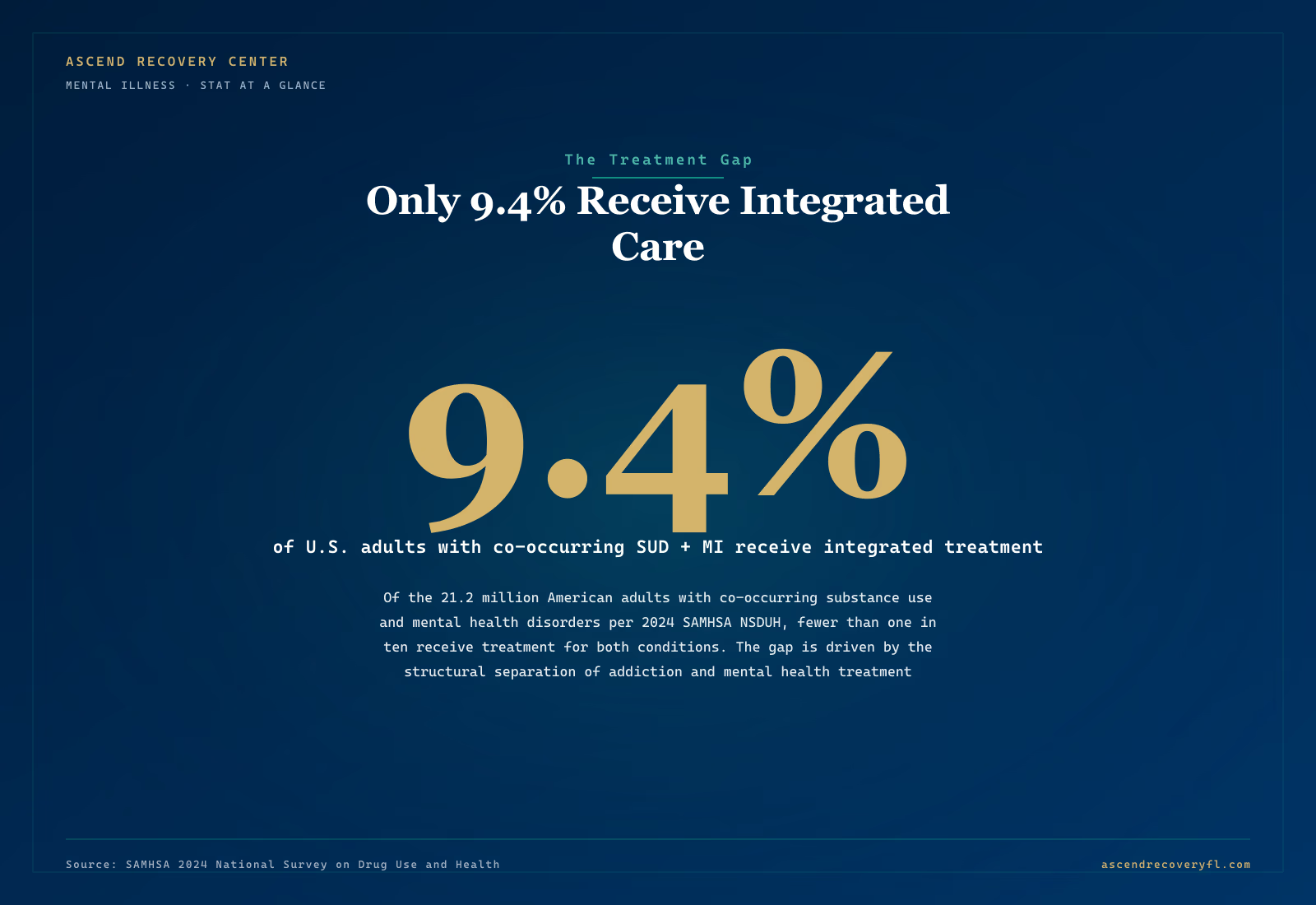
Despite the high prevalence, only 9.4% of adults with co-occurring disorders received treatment for both conditions in the past year per SAMHSA NSDUH data — a treatment gap driven by the structural separation between mental health and addiction treatment systems and the limited availability of programs offering true integrated care.
What are the three theoretical models of comorbidity?
The clinical literature recognizes three theoretical models that explain why mental health disorders and substance use disorders co-occur at such high rates: the self-medication hypothesis, the substance-induced disorder model, and the shared vulnerability model. These models are not mutually exclusive — most individual cases involve elements of all three.
- Self-medication hypothesis — proposed by Edward Khantzian in 1985 — argues that individuals with untreated mental health conditions use substances to manage psychiatric symptoms. Anxiety drives alcohol and benzodiazepine use; depression drives stimulant and opioid use; PTSD drives alcohol, cannabis, and benzodiazepine use; manic episodes drive cocaine and methamphetamine use. The self-medication produces short-term symptom relief at the cost of worsening the underlying condition and developing substance use disorder.
- Substance-induced disorder model argues that chronic heavy substance use directly produces psychiatric symptoms via neurochemical adaptation. Alcohol-induced depression resolves in 50% of cases within 4 weeks of abstinence per NIAAA data. Cocaine and methamphetamine-induced psychosis can persist months after cessation. Cannabis can trigger first-episode psychosis in genetically vulnerable individuals. The clinical implication: psychiatric symptoms during active use or early sobriety require re-evaluation at 4–8 weeks of stable abstinence to determine whether they represent primary or substance-induced conditions.
- Shared vulnerability model argues that mental health and substance use disorders share genetic, neurobiological, and environmental risk factors. Genetic studies identify polygenic overlap between bipolar disorder, schizophrenia, depression, ADHD, and substance use disorders. Childhood trauma is the strongest shared environmental risk factor. Dopamine reward circuitry dysregulation is the shared neurobiological substrate. The shared substrate is why treatment that addresses one condition often produces partial improvement in the other.
Most clinical cases involve elements of all three models — a client with PTSD self-medicating with alcohol who then develops alcohol-induced depression on top of their PTSD, with shared genetic vulnerability driving the comorbidity pattern.
What is the integrated treatment model?
The integrated treatment model treats the substance use disorder and the co-occurring psychiatric condition concurrently, within the same clinical program, by the same multidisciplinary team, in the same clinical episode. SAMHSA TIP 42 (Updated 2020) established integrated treatment as the federal standard of care for co-occurring disorders, citing consistent evidence of superior outcomes compared to sequential or parallel treatment models.
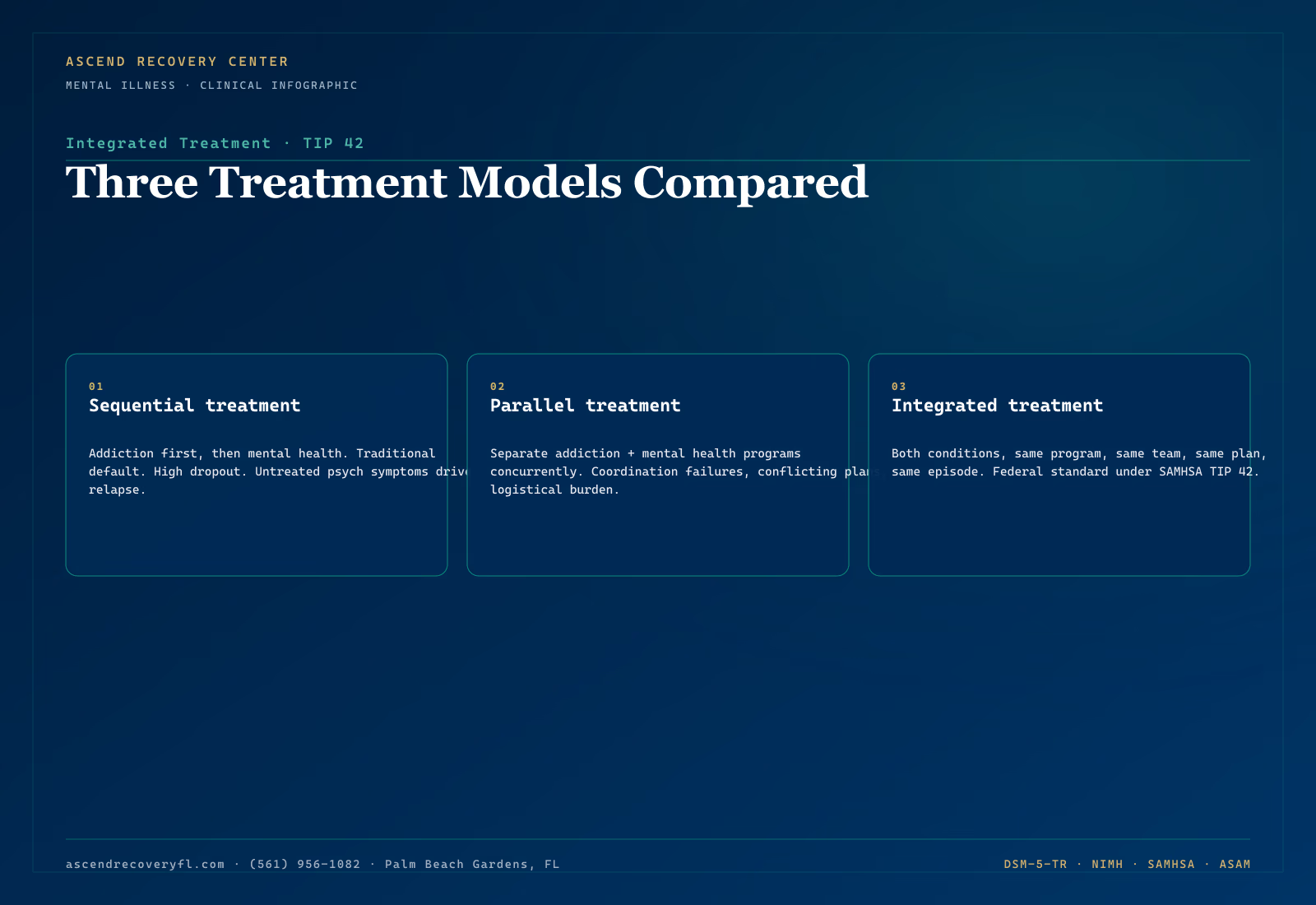
Three treatment models are compared in the SAMHSA evidence review:
- Sequential treatment: address the substance use disorder first, then the mental health condition. The traditional addiction-treatment-system default. Produces high dropout rates and poor outcomes because untreated psychiatric symptoms drive relapse during early sobriety.
- Parallel treatment: the client attends a substance use disorder program and a separate mental health program concurrently. Better than sequential but suffers from coordination failures, conflicting treatment recommendations, and a high logistical burden on the client.
- Integrated treatment: both conditions treated in the same program, by the same clinical team, in the same treatment plan, in the same clinical episode. Produces the strongest outcomes across measures of retention, abstinence, psychiatric symptom reduction, and functional recovery.
The components of true integrated treatment under TIP 42:
- Addiction psychiatry on-site (medication management for both SUD and psychiatric conditions by the same physician)
- MAT integration (buprenorphine, methadone, naltrexone for OUD; naltrexone and acamprosate for AUD) prescribed alongside psychiatric medication
- Trauma-informed care across all program components
- Concurrent behavioral therapy addressing both disorders in each clinical contact (not separate SUD and mental health sessions)
- Family involvement and psychoeducation
- Continuing care planning that maintains both clinical foci
The single biggest predictor of relapse in early recovery is untreated underlying psychiatric symptoms — anxiety, depression, PTSD, or undiagnosed bipolar disorder. Sequential treatment misses that completely. We address both conditions in every group, every individual session, every medication decision. That's what 'integrated' actually means.
How is co-occurring disorder diagnosed?
Diagnosis of co-occurring disorders requires comprehensive psychiatric assessment by a clinician trained in both substance use and mental health diagnosis, using structured DSM-5 interview supplemented by validated screening tools. The diagnostic challenge is that active substance use produces psychiatric symptoms that mimic primary mental health disorders — distinguishing substance-induced symptoms from co-occurring primary conditions requires careful clinical judgment and often a period of stable abstinence to clarify the diagnostic picture.
The clinical assessment includes:
- Substance use history — current substances, quantity, frequency, duration, withdrawal history, prior treatment
- Psychiatric history — onset of mental health symptoms relative to substance use, prior diagnoses, family history of mental illness
- Trauma history — childhood adversity, adult traumatic events, current safety
- Validated screening tools — PHQ-9 (depression), GAD-7 (anxiety), MDQ (bipolar), PCL-5 (PTSD), AUDIT (alcohol use), DAST-10 (drug use)
- Differential diagnosis — distinguishing substance-induced symptoms from primary co-occurring conditions
- ASAM multidimensional assessment — determining level of care across the six ASAM dimensions
The DSM-5 includes a "substance/medication-induced" qualifier for most psychiatric disorders that allows initial provisional diagnosis. After 4–8 weeks of stable abstinence, the diagnosis is reassessed — substance-induced symptoms typically resolve, while primary co-occurring conditions persist and require continued treatment.
Does Your Insurance Cover Mental Illness Education?
Free, confidential verification in under 15 minutes.
What level of care is appropriate for co-occurring disorders?
The ASAM Criteria multidimensional assessment determines the appropriate level of care for co-occurring disorders by evaluating six clinical dimensions, with co-occurring disorder severity influencing the level recommendation through Dimension 3 (emotional, behavioral, and cognitive conditions).
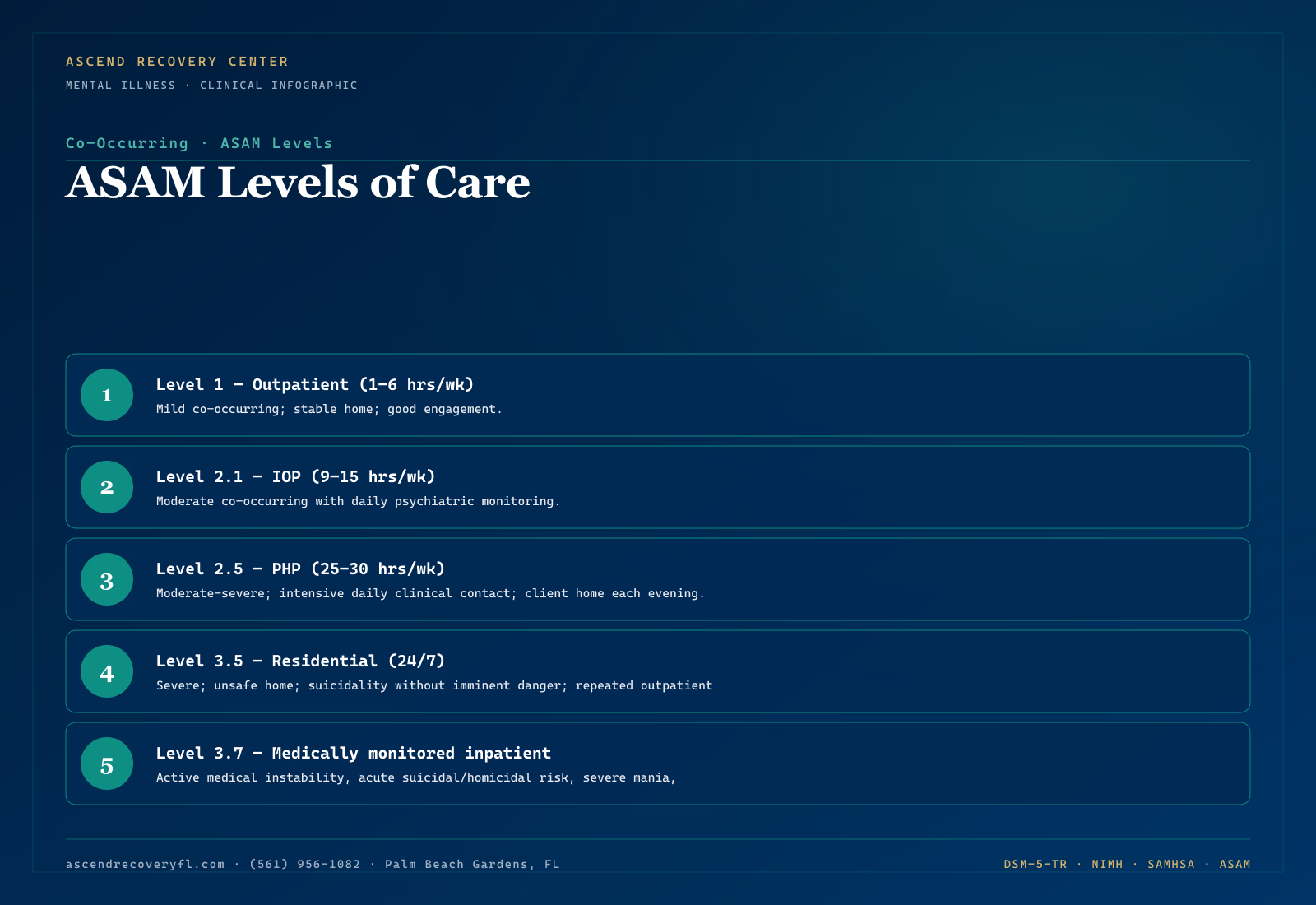
The five ASAM levels appropriate for co-occurring disorders:
- Level 1 — Outpatient services (1–6 hours/week): appropriate for clients with mild co-occurring conditions, stable home environment, and good treatment engagement. Includes individual therapy, group therapy, and psychiatric medication management.
- Level 2.1 — Intensive Outpatient Program (9–15 hours/week, 3–5 days): appropriate for moderate co-occurring presentations with daily psychiatric monitoring needs. Most common entry point for co-occurring outpatient care.
- Level 2.5 — Partial Hospitalization Program (25–30 hours/week, 5–6 days): appropriate for moderate-to-severe co-occurring conditions requiring intensive daily clinical contact. Allows daily medication management, group and individual therapy, and family involvement while client returns home each evening.
- Level 3.5 — Clinically Managed High-Intensity Residential (24/7): appropriate for severe co-occurring conditions with unsafe home environment, active suicidality without imminent danger, or repeated outpatient failure.
- Level 3.7 — Medically Monitored Intensive Inpatient (24/7 with medical oversight): appropriate for active medical instability, acute suicidal or homicidal risk, severe psychiatric symptoms (acute psychosis, severe mania), or complex withdrawal management combined with co-occurring disorder.
Most clients with co-occurring disorders enter care at ASAM Level 2.1 or 2.5 — IOP or PHP — and step down through the continuum as clinical stability emerges. Ascend Recovery Center delivers Levels 1, 2.1, and 2.5 with integrated psychiatric services and coordinates Level 3.5+ placement when residential care is clinically indicated.
MAT and psychiatric medication are not in competition. Buprenorphine plus an SSRI plus mood stabilization can coexist safely with proper monitoring. Programs that refuse to prescribe MAT or refer mental health out are not delivering evidence-based care — they're delivering 1990s-era care.
Why do most addiction treatment programs fail co-occurring clients?
Most addiction treatment programs are not structurally equipped to deliver integrated dual diagnosis care because they lack four critical components: on-site addiction psychiatry, MAT prescribing, trauma-informed clinicians, and concurrent (rather than sequential) behavioral therapy. Programs missing any of these components produce inferior outcomes for co-occurring populations regardless of their stated commitment to dual diagnosis.
The four structural deficiencies:
- No on-site addiction psychiatry — programs that refer out for psychiatric care produce care-coordination failures, treatment-plan conflicts, and high client dropout during the referral handoff. Co-occurring clients need a psychiatrist who attends clinical staffing meetings, adjusts medication based on group therapy observations, and coordinates with the primary counselor — not a once-monthly external psychiatry appointment.
- No MAT prescribing — programs that refuse to prescribe buprenorphine, methadone, or naltrexone for opioid use disorder eliminate the most evidence-based treatment for OUD with mortality reduction exceeding 50%. The same applies to AUD: programs without naltrexone or acamprosate access are not delivering evidence-based care.
- No trauma-informed clinicians — 40–60% of co-occurring clients have PTSD; programs without trauma-trained clinicians producing EMDR, CPT, or Prolonged Exposure are missing the standard of care for the most common co-occurring mental health condition in addiction treatment populations.
- Sequential (not concurrent) behavioral therapy — programs that treat the SUD in group therapy sessions and refer the mental health condition to a separate outpatient therapist are practicing parallel treatment, not integrated treatment. True integrated treatment addresses both conditions in each clinical contact.
Ascend Recovery Center's dual diagnosis treatment is built around these four components: a board-certified addiction psychiatrist on staff, full MAT prescribing capability, EMDR-certified clinicians, and concurrent behavioral therapy addressing both conditions in every treatment contact.
For the addiction-side framing of the same clinical phenomenon — how substance use disorder treatment programs approach co-occurring psychiatric conditions, the most common psychiatric comorbidities in addiction populations, and the historical evolution from sequential to integrated care — read the companion guide on dual diagnosis in addiction treatment. This article (the mental-illness-side view) and the addiction-side guide together cover the full clinical picture from both directions, with the same SAMHSA TIP 42 evidence base. Both link back to the hub at mental illness causes, diagnosis, and treatment for macro context.
Should I treat addiction before mental health — or vice versa?
Common Misconception
"You have to treat the addiction first. Then once they're sober, you can work on the mental health side."
What the Evidence Shows
SAMHSA TIP 42 (Updated 2020) established integrated, concurrent treatment as the federal standard of care — not sequential treatment. Sequential treatment ("sober first, then mental health") produces inferior outcomes because untreated psychiatric symptoms predict relapse during early sobriety, and untreated substance use prevents psychiatric medication from working at therapeutic plasma levels. The TIP 42 evidence review documents superior retention, abstinence, and psychiatric symptom reduction when both conditions are treated in the same program by the same multidisciplinary team in the same clinical episode.
SAMHSA, TIP 42: Substance Use Disorder Treatment for People with Co-Occurring Disorders (Updated 2020); Drake RE et al., A review of treatments for people with severe mental illnesses and co-occurring substance use disorders, Psychiatric Rehabilitation Journal (2008).
Co-Occurring Disorder Self-Screen — AUDIT-C + PHQ-2
Combines the AUDIT-C alcohol screen (Bush et al., 1998) and the PHQ-2 depression screen (Kroenke et al., 2003) — the two most efficient validated screeners for the most common co-occurring presentation. Takes 60 seconds.
How often do you have a drink containing alcohol?
Confidential · Not a clinical diagnosis · Your answers stay in your browser


