


Referenced in this article
Key Takeaways
- Major depressive disorder is diagnosed by meeting 5+ of 9 DSM-5 symptoms for 2+ weeks, with depressed mood or anhedonia as a required core symptom.
- 21.0 million U.S. adults experience major depression in any given year — 8.3% of the adult population per NIMH data.
- SSRIs/SNRIs combined with CBT, interpersonal therapy, or behavioral activation are first-line treatments with 67% cumulative remission per STAR*D.
- 32% of clients with major depression also have a substance use disorder; untreated depression is the strongest predictor of post-treatment relapse.
- Suicide is the leading mortality risk in untreated depression — 988 Lifeline and emergency response are appropriate when warning signs are present.
- Treatment-resistant depression (failure of 2+ adequate antidepressant trials) responds to esketamine, ECT, TMS, or augmentation strategies.
What are the 9 DSM-5 symptoms of major depressive disorder?
Major depressive disorder is diagnosed when 5 or more of 9 specific DSM-5 symptoms are present nearly every day for at least 2 weeks, causing clinically significant distress or impairment, with at least one symptom being depressed mood or loss of interest in nearly all activities (anhedonia). The symptoms cannot be attributable to a substance, medication, or another medical condition.
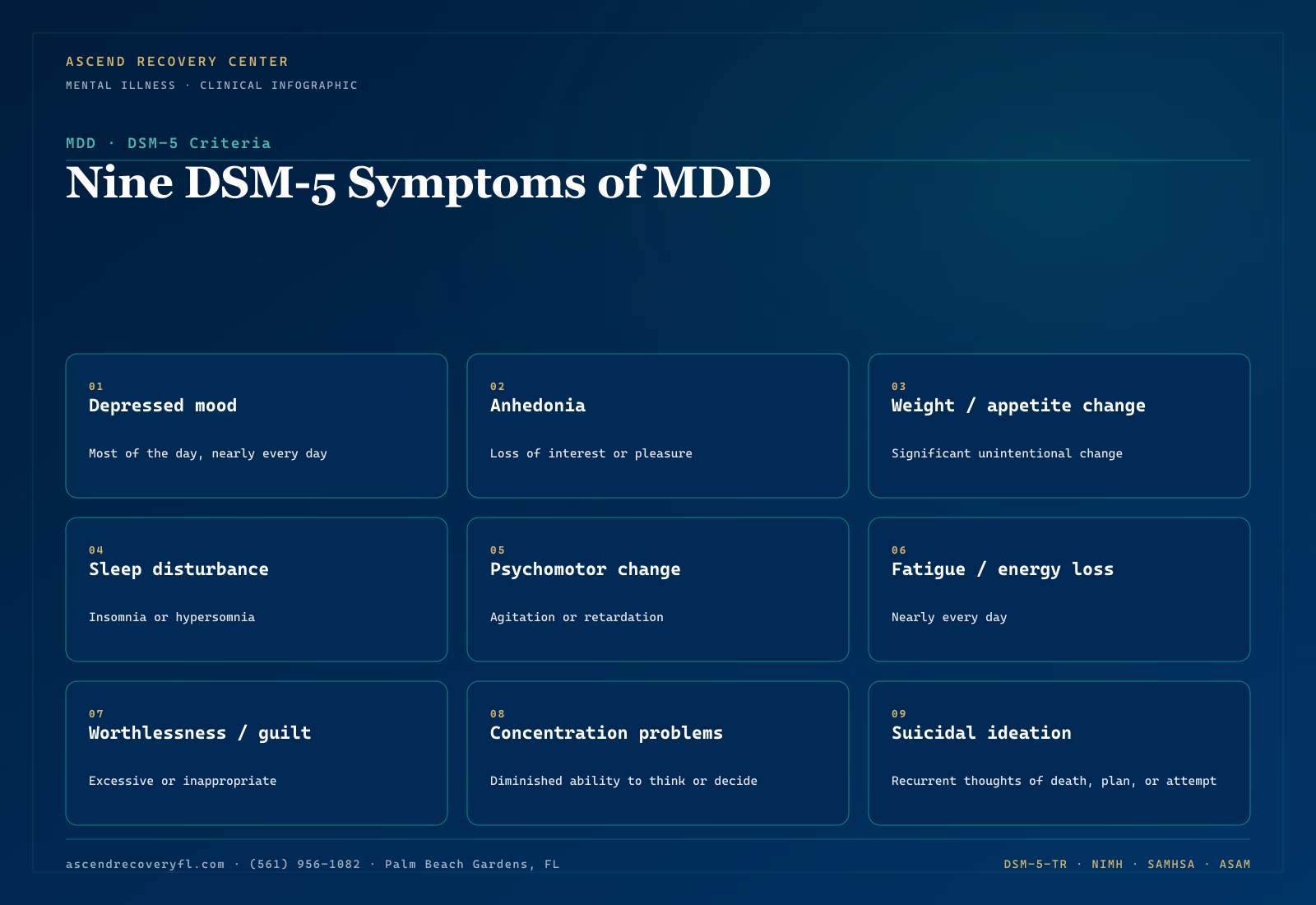
- Depressed mood most of the day, nearly every day (subjective or observed)
- Markedly diminished interest or pleasure (anhedonia) in nearly all activities
- Significant weight loss or gain (>5% in a month) or appetite change
- Insomnia or hypersomnia nearly every day
- Psychomotor agitation or retardation observable by others
- Fatigue or loss of energy nearly every day
- Feelings of worthlessness or excessive/inappropriate guilt
- Diminished concentration or decisiveness
- Recurrent thoughts of death, suicidal ideation, suicide attempt, or specific plan
Severity is classified as mild (5–6 symptoms), moderate (7 symptoms), or severe (8–9 symptoms with marked functional impairment or psychotic features). The PHQ-9 (Patient Health Questionnaire 9-item) is the most-validated screening instrument, with scores of 10+ indicating moderate depression and 20+ indicating severe depression.
What are the types of depressive disorders?
The DSM-5 recognizes seven distinct depressive disorders: major depressive disorder (MDD), persistent depressive disorder (PDD), premenstrual dysphoric disorder (PMDD), disruptive mood dysregulation disorder (DMDD), substance/medication-induced depressive disorder, depressive disorder due to another medical condition, and other specified depressive disorder.
- Major Depressive Disorder (MDD): 5+ of 9 symptoms for 2+ weeks; episodic course with recurrent episodes in 50–85% of cases.
- Persistent Depressive Disorder (PDD), formerly dysthymia: depressed mood most of the day, more days than not, for at least 2 years (1 year in children/adolescents), with 2+ of 6 specific symptoms; chronic rather than episodic.
- Premenstrual Dysphoric Disorder (PMDD): 5+ of 11 specific symptoms in the final week before menses, improving within a few days after menses; recurs over most menstrual cycles.
- Seasonal Affective Disorder (SAD) — a course specifier rather than a distinct disorder; major depressive episodes with seasonal pattern (typically fall-winter onset, spring-summer remission). Affects 5% of U.S. adults; lifetime prevalence 10–20% in northern latitudes.
- Postpartum Depression — also a course specifier; major depressive episode with onset during pregnancy or within 4 weeks after delivery. Affects 13% of mothers and 10% of fathers per APA data.
Differential diagnosis must rule out bipolar disorder (depressive episodes can be bipolar if there is any history of mania or hypomania), substance-induced depression, depression due to medical conditions (hypothyroidism, vitamin B12 deficiency, traumatic brain injury), and adjustment disorder with depressed mood.
What is the most common type of depression?
Major depressive disorder (MDD) is the most common depressive disorder, with a past-year prevalence of 8.3% of U.S. adults and a lifetime prevalence of 20.6% per NIMH data. Persistent depressive disorder (PDD) is the second most common at 1.5% past-year prevalence. Premenstrual dysphoric disorder (PMDD) affects 1.8–5.8% of menstruating women. Seasonal affective disorder affects approximately 5% of U.S. adults with sub-clinical seasonal mood patterns affecting an additional 10–20%.
What is the difference between depression and bipolar disorder?
Depression (unipolar) involves only depressive episodes; bipolar disorder involves both depressive episodes and manic or hypomanic episodes. Any history of mania or hypomania — even one episode — establishes bipolar disorder rather than depression, even if the client is currently in a depressive episode. The clinical distinction matters because antidepressants given alone to clients with undiagnosed bipolar disorder can trigger mania or rapid cycling. Every depression evaluation includes screening for prior manic or hypomanic episodes using the Mood Disorder Questionnaire (MDQ) or equivalent.
Can children and teens have depression?
Yes. NIMH documents that 5.0 million U.S. adolescents aged 12–17 experienced a major depressive episode in the past year — 20.1% of the adolescent population. Pediatric depression is diagnosed with the same DSM-5 criteria with developmental modifications: irritability may replace depressed mood as the core symptom in children and adolescents; weight criterion is failure to make expected weight gains rather than weight loss. The FDA black-box warning on antidepressants in adolescents reflects elevated suicidal ideation risk in the first 4 weeks of treatment — but the absolute risk is low and the benefit of treatment significantly outweighs the risk for moderate-to-severe pediatric depression per AACAP guidelines.
How is depression different from sadness or grief?
Depression is a clinical disorder characterized by sustained dysfunction across cognitive, emotional, behavioral, and physical domains; sadness and grief are normal emotional responses to loss or adversity that do not produce the same pattern of impairment. The DSM-5 explicitly notes that bereavement following the death of a loved one can produce symptoms resembling depression — but bereavement is not classified as depression unless it meets full MDD criteria and persists with significant functional impairment.
Three clinical distinctions:
- Sadness is a transient emotion linked to specific events. Resolves as circumstances change. Does not impair daily functioning across multiple domains.
- Grief is a normal response to loss. Comes in waves rather than constant. Capacity for positive emotion remains accessible. Self-esteem is preserved. Resolves with time (though chronic grief disorder, added to DSM-5-TR in 2022, is now recognized when grief persists 12+ months with marked impairment).
- Depression is constant rather than wave-like. Anhedonia eliminates the capacity for positive emotion. Self-esteem is profoundly impaired with feelings of worthlessness. Physical symptoms (sleep, appetite, energy, psychomotor changes) accompany the mood disturbance. Does not resolve without treatment in moderate-to-severe cases.
The DSM-5-TR removed the prior "bereavement exclusion" that had previously prevented depression diagnosis within 2 months of bereavement — research established that the clinical course, treatment response, and suicide risk of bereavement-related depression are equivalent to non-bereavement depression, making the exclusion clinically unjustified.
What is the difference between situational depression and clinical depression?
"Situational depression" is a colloquial term — the DSM-5 equivalent is adjustment disorder with depressed mood, which requires onset within 3 months of an identifiable stressor and resolution within 6 months after the stressor or its consequences terminate. Clinical depression (major depressive disorder) can be triggered by a life event but persists, recurs, and produces the full 5-of-9 symptom pattern regardless of whether the original stressor remains. Adjustment disorder is treated with brief psychotherapy and stressor management; major depressive disorder is treated with structured psychotherapy plus antidepressant pharmacotherapy in moderate-to-severe cases.
How is depression severity measured?
Clinicians measure depression severity with the PHQ-9, a 9-item self-report questionnaire scored 0 to 27 that maps one item to each of the nine DSM-5 depressive symptoms and converts the total into a severity band. Kroenke, Spitzer, and Williams validated the instrument in the Journal of General Internal Medicine in 2001, and it has since become the standard measure in primary care and behavioral health.
Each item asks how often a symptom has occurred over the prior 2 weeks, scored 0 for not at all, 1 for several days, 2 for more than half the days, and 3 for nearly every day. A maximum score of 27 reflects every symptom at the highest frequency. The severity bands are:
- 0 to 4 — none to minimal depression.
- 5 to 9 — mild depression.
- 10 to 14 — moderate depression.
- 15 to 19 — moderately severe depression.
- 20 to 27 — severe depression.
Item 9 sits apart from the scoring band. It asks about thoughts of being better off dead or of hurting oneself, and a positive response requires further suicide-risk assessment by a clinician competent to perform it, independent of the total score. A person can register a low total and still require immediate evaluation on the strength of that single item. Anyone experiencing these thoughts can reach the 988 Suicide and Crisis Lifeline by calling or texting 988, 24 hours a day.
Scoring converts depression from a description into a tracked number, which is what makes measurement-based care possible: the same instrument readministered at intervals shows whether a treatment is working rather than relying on recall. That distinction becomes decisive when a first treatment fails.
Can depression be diagnosed by a blood test?
No blood test diagnoses depression. Depression is diagnosed clinically through structured interview against DSM-5 criteria, supplemented by validated screening instruments like the PHQ-9. Blood tests are used to rule out medical conditions that produce depression-like symptoms — hypothyroidism (TSH), vitamin B12 deficiency, anemia, electrolyte imbalances — but these tests confirm or exclude alternative diagnoses rather than positively diagnosing depression. Research biomarkers (inflammatory cytokines, neuroimaging patterns) are being studied but are not clinically available for routine diagnosis.
What is a PHQ-9 score?
A PHQ-9 score is the total from a 9-item depression questionnaire, ranging from 0 to 27, that maps one item to each of the nine DSM-5 depressive symptoms over the prior 2 weeks. The severity bands are 0 to 4 for none to minimal, 5 to 9 for mild, 10 to 14 for moderate, 15 to 19 for moderately severe, and 20 to 27 for severe depression. Item 9, which asks about thoughts of being better off dead or of hurting oneself, is evaluated separately from the total: a positive response calls for a suicide-risk assessment by a qualified clinician regardless of how low the overall score is. Call or text 988 to reach the Suicide and Crisis Lifeline at any hour.
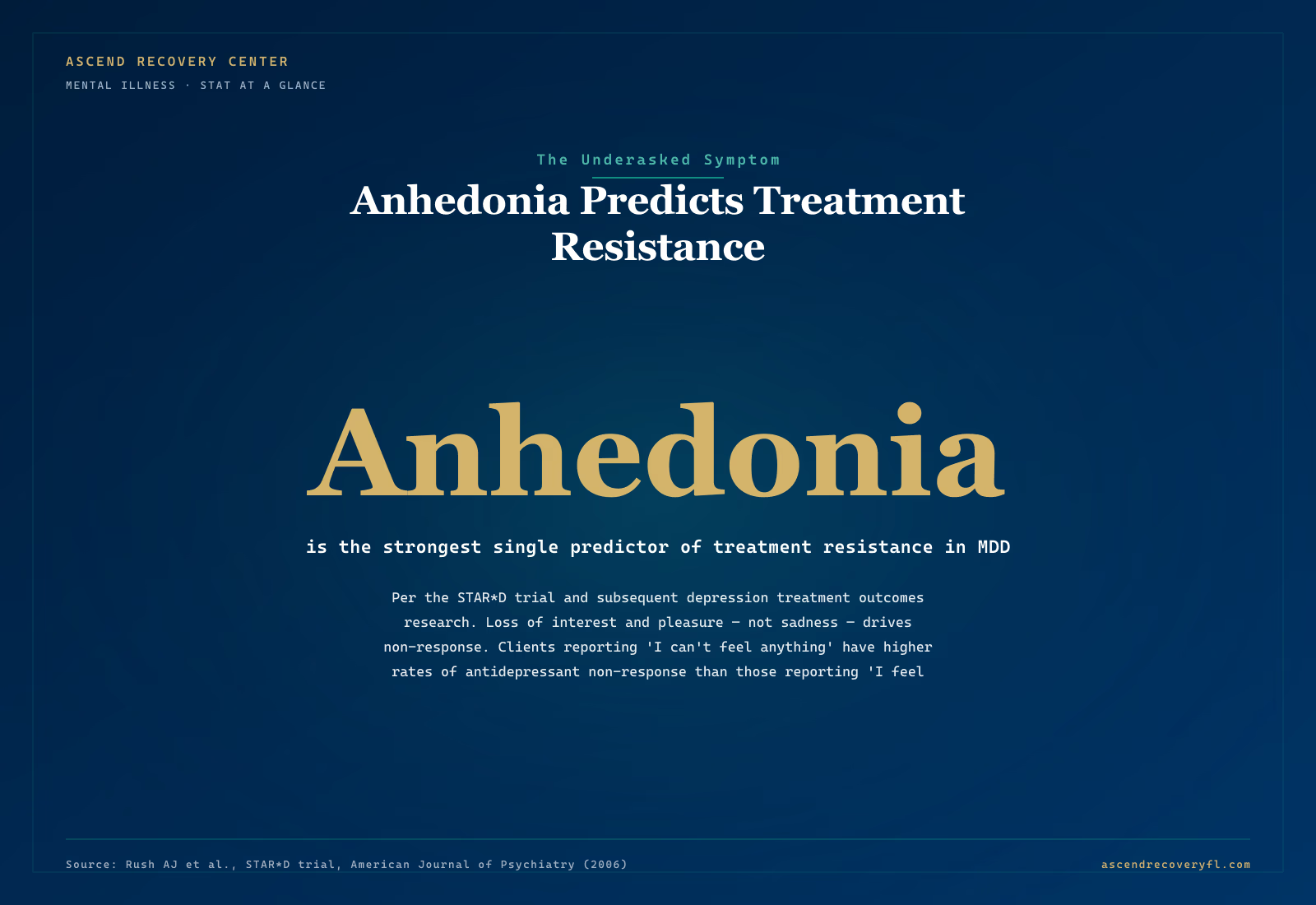
Anhedonia — the loss of interest and pleasure — is the strongest single predictor of treatment resistance in depression. It's also the most under-asked symptom in routine care. When a client says 'I can't feel anything,' that's clinically more significant than 'I feel sad.'
Does Your Insurance Cover Mental Illness Education?
Free, confidential verification in under 15 minutes.
What evidence-based treatments work for depression?
The first-line evidence-based treatments for moderate-to-severe depression are antidepressant pharmacotherapy (SSRIs, SNRIs, atypical antidepressants) and structured psychotherapy (cognitive behavioral therapy, interpersonal therapy, behavioral activation). Combined pharmacotherapy plus psychotherapy produces better outcomes than either alone for moderate-to-severe presentations per the APA Clinical Practice Guideline.
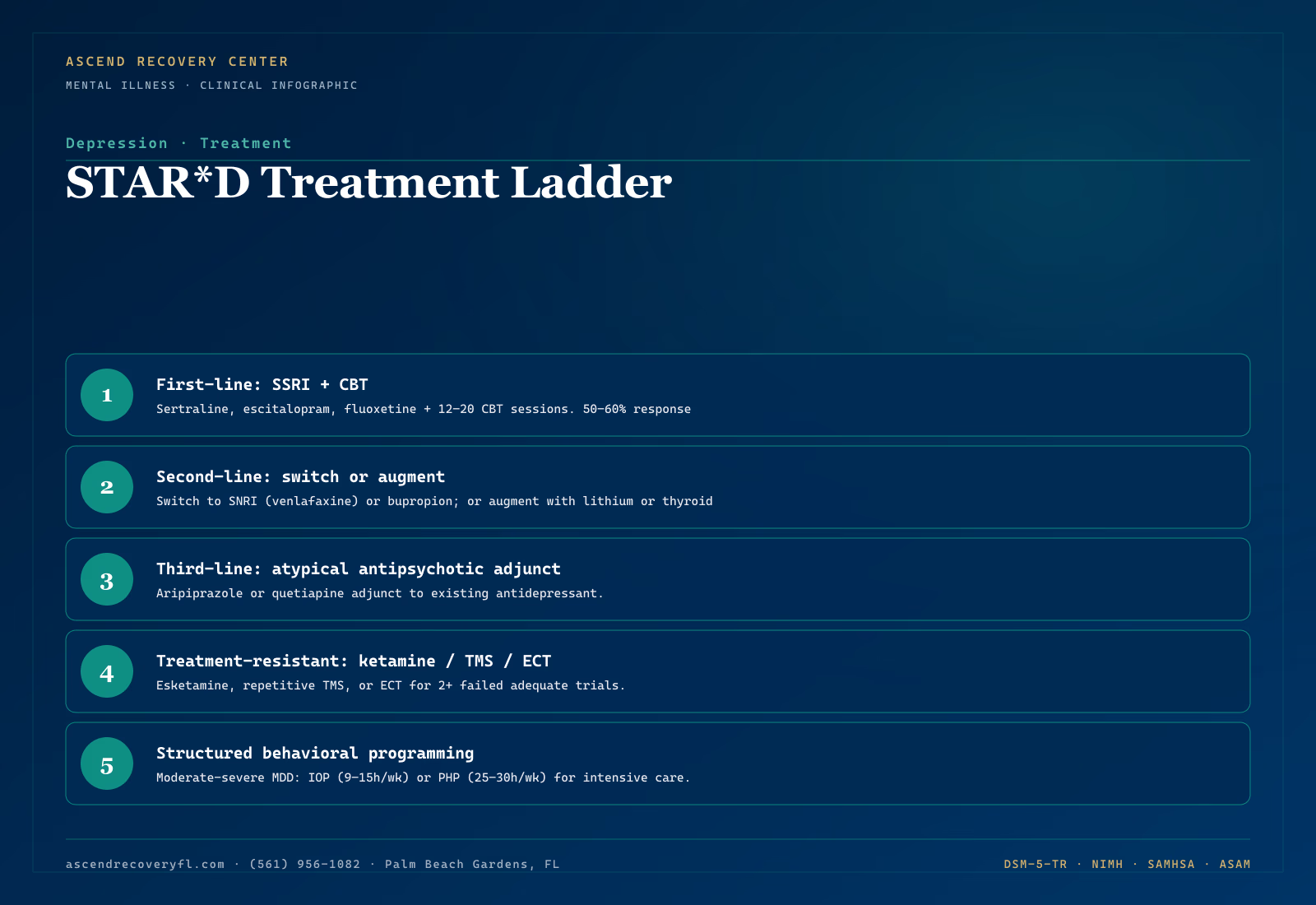
The treatment ladder:
- SSRIs: escitalopram, sertraline, fluoxetine, paroxetine, citalopram — first-line pharmacotherapy. Onset of full effect at 4–8 weeks.
- SNRIs: venlafaxine, duloxetine — equivalent first-line option; particularly useful with co-occurring anxiety, chronic pain, or fibromyalgia.
- Atypical antidepressants: bupropion (no sexual side effects, useful for smokers), mirtazapine (useful when sleep and appetite restoration are clinical priorities).
- Cognitive Behavioral Therapy (CBT): 12–20 sessions targeting negative cognitive triad (self, world, future), behavioral activation, and skill development. Response rates 50–60% as monotherapy for moderate depression.
- Interpersonal Therapy (IPT): 12–16 sessions addressing relational triggers (grief, role transitions, interpersonal disputes, interpersonal deficits). Equivalent efficacy to CBT.
- Behavioral Activation (BA): structured activity scheduling targeting anhedonia and avoidance. Equivalent efficacy to CBT and often more accessible in PHP/IOP group settings.
- Treatment-resistant depression: defined as failure to respond to 2+ adequate antidepressant trials. Options include intranasal esketamine (FDA-approved 2019), IV ketamine, electroconvulsive therapy (ECT), transcranial magnetic stimulation (TMS), or augmentation with atypical antipsychotics or lithium.
How long do antidepressants take to work?
SSRIs and SNRIs typically require 4–8 weeks for full therapeutic effect. Initial improvements in sleep, appetite, and energy often appear in the first 1–2 weeks, with mood improvement following at weeks 3–6. If no response is seen by week 6–8, the prescriber typically adjusts dose, switches to a different SSRI/SNRI, or augments with bupropion, mirtazapine, or atypical antipsychotic. The Sequenced Treatment Alternatives to Relieve Depression (STAR*D) trial established that 67% of clients achieve remission across four sequential treatment steps.
What is treatment-resistant depression?
Treatment-resistant depression is major depressive disorder that has failed to respond adequately to at least two antidepressant trials of adequate dose and duration within the current episode. The definition turns on adequacy, not on the number of prescriptions written — a trial stopped early or dosed below the therapeutic range does not count toward the threshold.
The STAR*D trial established why this matters. STAR*D moved patients who did not remit through successive treatment steps, and remission rates declined at each successive step, meaning the probability of remission from any single further medication change falls as prior adequate trials accumulate. Cumulative remission across all steps reached 67%, but that figure describes the sequence rather than any one attempt.
Three FDA actions define the current pharmacological options specific to treatment-resistant depression:
- March 5, 2019 — the FDA approved esketamine nasal spray (Spravato) for treatment-resistant depression in adults, used in conjunction with an oral antidepressant.
- August 2020 — the FDA approved an additional indication for major depressive disorder with acute suicidal ideation or behavior.
- January 2025 — the FDA expanded the indication to include esketamine as monotherapy for treatment-resistant depression.
Esketamine is dispensed only under a Risk Evaluation and Mitigation Strategy (REMS), in place since the original 2019 approval, which requires administration in a certified healthcare setting with post-dose monitoring rather than dispensing for use at home. Electroconvulsive therapy and transcranial magnetic stimulation are the established non-pharmacological options at this stage of the algorithm.
Treatment resistance also has a differential worth ruling out before escalating: an untreated co-occurring substance use disorder produces depressive symptoms that do not remit on antidepressant therapy alone, which is the pattern the next section addresses.
Is esketamine (Spravato) FDA-approved for depression?
The FDA approved esketamine nasal spray (Spravato) on March 5, 2019 for treatment-resistant depression in adults used in conjunction with an oral antidepressant, added an indication in August 2020 for major depressive disorder with acute suicidal ideation or behavior, and expanded the label in January 2025 to allow use as monotherapy for treatment-resistant depression. Esketamine is available only through a Risk Evaluation and Mitigation Strategy (REMS) that has applied since the original approval, requiring administration in a certified healthcare setting with monitoring after each dose rather than dispensing for home use. Ascend Recovery Center does not administer esketamine; treatment decisions involving it are made by a prescribing psychiatrist at a REMS-certified site.
How does depression connect to substance use disorders?
Depression and substance use disorders co-occur at high rates — 32% of clients with major depressive disorder also meet criteria for substance use disorder in the past year per NIDA data — driven by three overlapping mechanisms: shared neurobiology, self-medication, and substance-induced depression.
The three mechanisms:
- Shared neurobiology: depression and substance use disorders share dysregulation of the mesolimbic dopamine reward pathway, prefrontal cortex executive function, and stress-response systems (HPA axis hyperactivity). The shared substrate explains why both conditions respond to similar behavioral interventions (CBT, contingency management) and why effective treatment of one often produces partial improvement in the other.
- Self-medication: individuals with untreated depression frequently use alcohol, cannabis, stimulants, or prescription opioids to manage depressive symptoms — particularly anhedonia and sleep disturbance. The short-term symptom relief gives way to worsening depression as the substance use disorder develops, creating a downward spiral that is the clinical hallmark of self-medication patterns.
- Substance-induced depression: chronic heavy use of alcohol, opioids, stimulants, or cannabis produces depression directly through neurochemical changes — alcohol-induced depression resolves in 50% of clients within 4 weeks of abstinence per NIAAA data, but the remaining 50% have primary depression that requires concurrent treatment.
Untreated depression is the strongest predictor of relapse after substance use disorder treatment per a 2019 SAMHSA Treatment Improvement Protocol meta-analysis. Integrated treatment addressing both conditions concurrently is the standard of care under SAMHSA TIP 42 (Updated 2020). Dual diagnosis treatment at Ascend Recovery Center addresses both conditions in the same clinical episode by the same multidisciplinary team.
The STAR*D data is decisive: 67% of clients reach remission within four treatment steps. Treatment resistance is most often a function of insufficient duration or premature switching, not pharmacologic limits. We hold doses at therapeutic levels for 6 to 8 weeks before assessing response.
What is the suicide risk in depression and when to seek emergency care?
Suicide is the second-leading cause of death in U.S. adults aged 25–34 and the strongest mortality risk in untreated depression — 60% of suicide deaths occur in the context of a major depressive episode. Every clinical evaluation of depression includes structured suicide risk assessment using the Columbia Suicide Severity Rating Scale (C-SSRS) or equivalent.
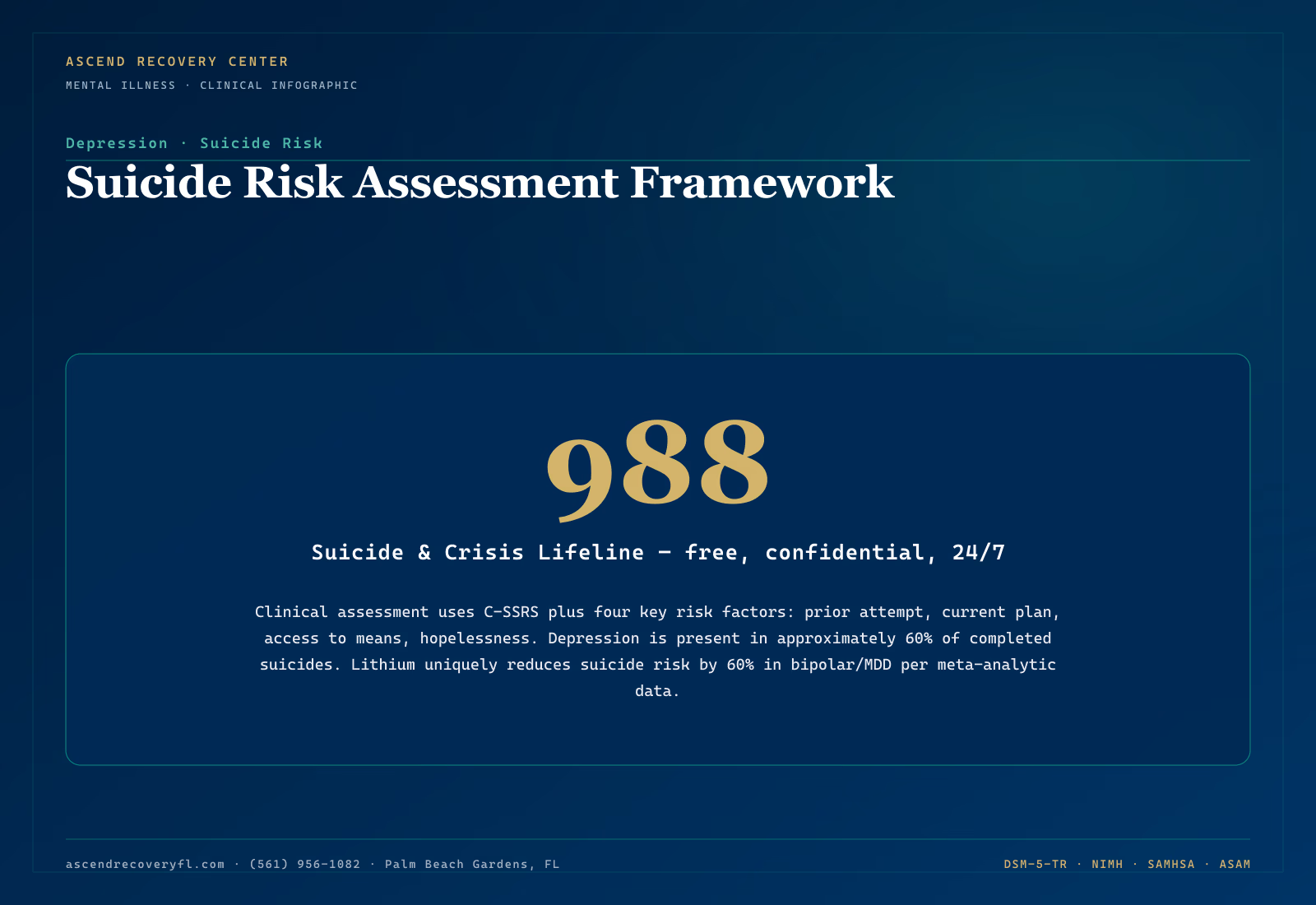
The eight warning signs of imminent suicide risk that warrant immediate intervention:
- Specific plan or method identified
- Access to means (firearms, medications, lethal stockpile)
- Prior suicide attempts (the strongest single risk factor — 30–40× elevated lifetime risk)
- Recent suicide of a family member or peer
- Severe substance use disorder (especially alcohol) — alcohol intoxication is present in 30–40% of completed suicides
- Recent psychiatric hospitalization discharge (peak risk in the first 30 days)
- Sudden lifting of severe depression (paradoxical risk increase as energy returns before mood)
- Statements about being a burden, feeling hopeless, or having no reason to live
If you are experiencing suicidal thoughts, call or text 988 to reach the Suicide and Crisis Lifeline (free, confidential, 24/7), text "HOME" to 741741 to reach the Crisis Text Line, or call 911 for an immediate emergency response. Ascend Recovery Center provides depression treatment with integrated suicide risk monitoring across PHP, IOP, and outpatient programming, with same-day clinical assessment for clients in crisis.
Do antidepressants 'make people feel happy'?
Common Misconception
"Antidepressants make people feel artificially happy. They're a chemical crutch."
What the Evidence Shows
Antidepressants restore baseline functioning — they don't produce euphoria. SSRIs work by gradually normalizing serotonergic and downstream signaling over 4–6 weeks; clients consistently report "feeling like themselves again," not feeling artificially elevated. The STAR*D trial showed 67% cumulative remission across 4 sequential treatment steps when clinicians switch or augment after a non-response — the medications work when matched to the right client, dose, and duration. The framing of antidepressants as "chemical crutches" delays treatment by an average of 8–10 years and contributes to the 60% of completed suicides where depression is present.
Rush AJ et al., Acute and longer-term outcomes in depressed outpatients requiring one or several treatment steps: a STAR*D report, American Journal of Psychiatry (2006).
PHQ-9 — Depression Self-Screen
The Patient Health Questionnaire-9 (Kroenke et al., 2001) is the most widely used depression screener in the world. Validated for clinical use in primary care and specialty settings. Takes 90 seconds.
Over the last 2 weeks, how often have you had little interest or pleasure in doing things?
Confidential · Not a clinical diagnosis · Your answers stay in your browser


