


Referenced in this article
Key Takeaways
- PTSD is diagnosed by symptoms across all four DSM-5 clusters (intrusion, avoidance, negative cognition/mood, arousal) persisting 1+ month after Criterion A trauma exposure.
- Lifetime prevalence is 6.8% of U.S. adults, with elevated rates in women (9.7%), military veterans (12–30%), and sexual assault survivors (45%).
- First-line evidence-based treatments — CPT, PE, EMDR — produce 60–80% response rates per VA/DoD Clinical Practice Guideline meta-analysis.
- SSRIs (sertraline, paroxetine — both FDA-approved) and SNRIs (venlafaxine) are first-line pharmacotherapy.
- Benzodiazepines are contraindicated in PTSD — they impair extinction learning and produce dependence.
- 40–60% of PTSD clients develop a substance use disorder via self-medication; integrated treatment under SAMHSA TIP 57 is standard of care.
What are the 4 DSM-5 PTSD symptom clusters?
PTSD is diagnosed by the presence of symptoms across all four DSM-5 symptom clusters — intrusion, avoidance, negative alterations in cognition and mood, and alterations in arousal and reactivity — for at least one month after a qualifying traumatic event.
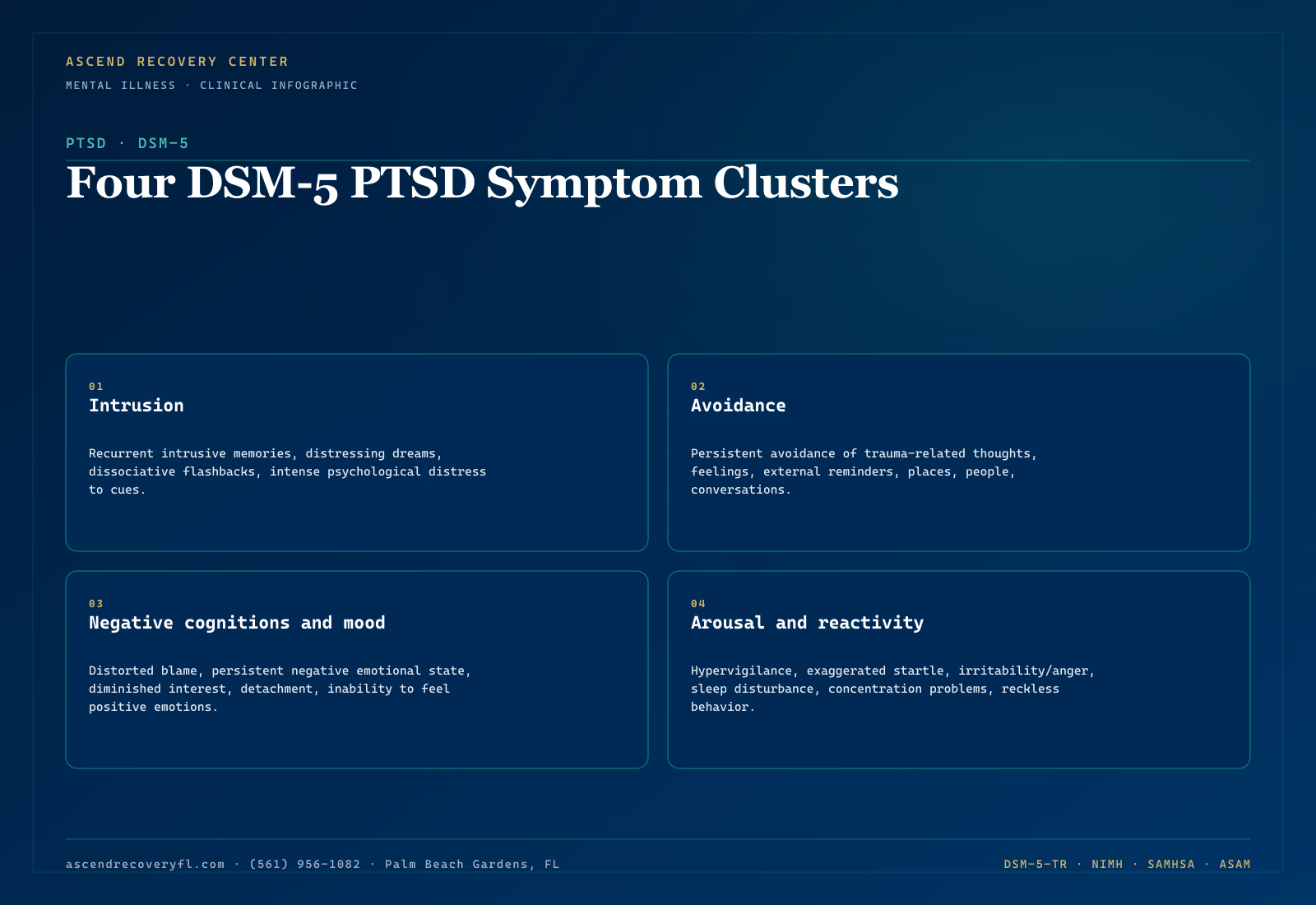
- Cluster B — Intrusion (1+ of 5 symptoms): recurrent intrusive memories, distressing dreams about the event, dissociative reactions (flashbacks), intense psychological distress at exposure to internal or external trauma cues, marked physiological reactions to trauma cues.
- Cluster C — Avoidance (1+ of 2 symptoms): avoidance of internal trauma reminders (thoughts, feelings, memories) OR external trauma reminders (people, places, conversations, activities, objects, situations).
- Cluster D — Negative Alterations in Cognition and Mood (2+ of 7 symptoms): inability to remember key features of the event, persistent negative beliefs about self/world, distorted blame, persistent negative emotional state, diminished interest in significant activities, feelings of detachment, persistent inability to experience positive emotions.
- Cluster E — Alterations in Arousal and Reactivity (2+ of 6 symptoms): irritable behavior and angry outbursts, reckless or self-destructive behavior, hypervigilance, exaggerated startle response, problems with concentration, sleep disturbance.
Symptoms must persist for at least 1 month, cause significant distress or impairment, and not be attributable to substance use or another medical condition. Onset within 6 months of the trauma is most common, but delayed-onset PTSD (symptoms beginning more than 6 months after the trauma) is recognized and is more common in military veterans.
What qualifies as a traumatic event under DSM-5 Criterion A?
The DSM-5 defines a qualifying traumatic event (Criterion A) as exposure to actual or threatened death, serious injury, or sexual violence in one or more of four ways: directly experiencing the event, witnessing the event in person as it occurred to others, learning that the event occurred to a close family member or friend, or experiencing repeated or extreme exposure to aversive details of traumatic events (e.g., first responders, body recovery, child abuse investigators).
The most common qualifying traumatic events:
- Combat exposure — military veterans of OIF/OEF have a 12–20% lifetime PTSD rate per VA data; Vietnam-era veterans 30%.
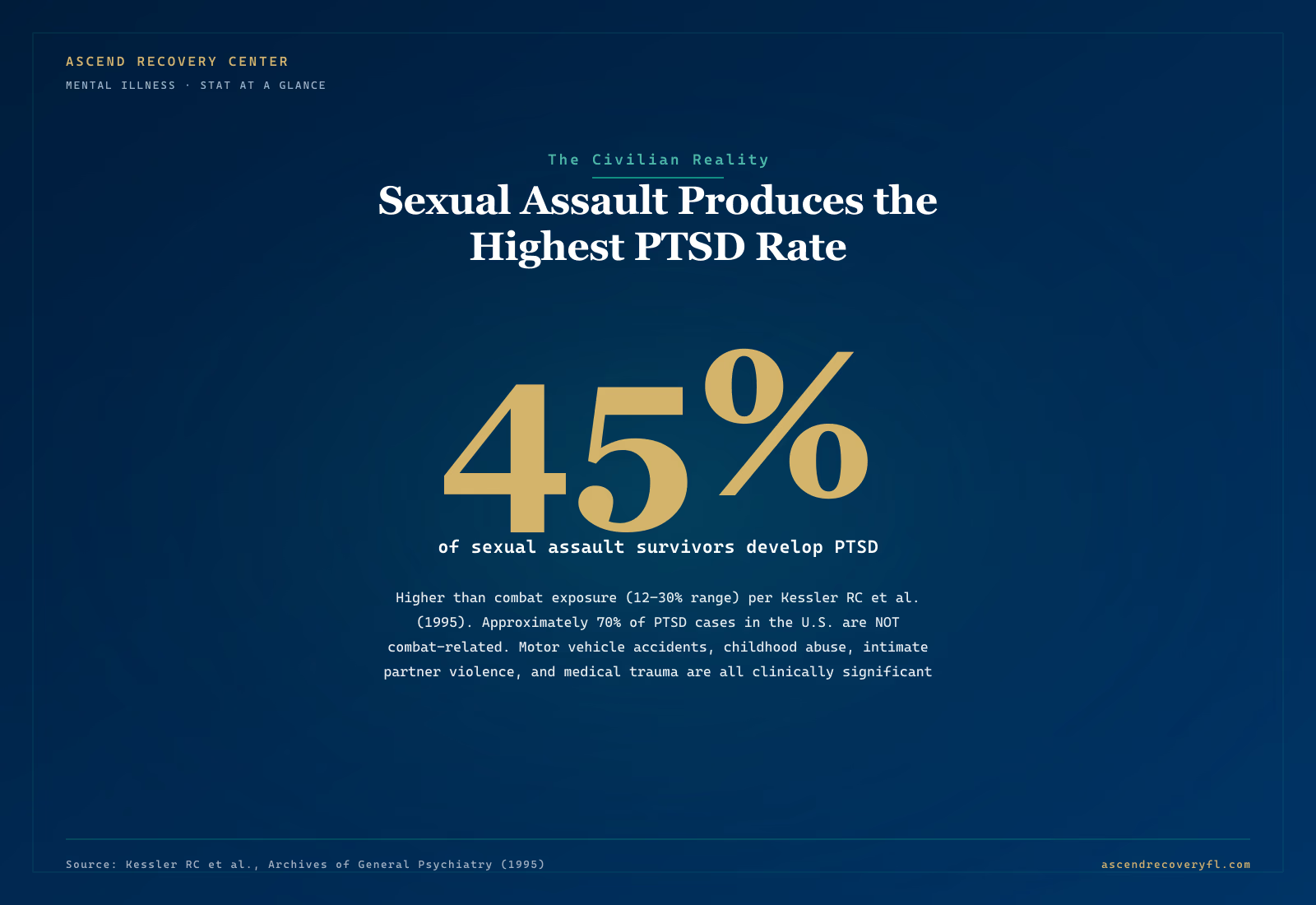
- Sexual assault — 45% of sexual assault survivors develop PTSD per a 2013 epidemiological meta-analysis; the highest single-event PTSD rate.
- Childhood physical or sexual abuse — chronic developmental trauma produces complex PTSD with additional features (emotion dysregulation, interpersonal disturbances, negative self-concept).
- Serious accidents — motor vehicle accidents, industrial accidents, plane crashes; 10–20% PTSD rate.
- Natural disasters — hurricanes, earthquakes, fires; 10–25% PTSD rate depending on severity and personal exposure.
- Violent crime victimization — robbery, assault, witnessing violence; 20–30% PTSD rate.
- First-responder occupational exposure — paramedics, firefighters, police, ER nurses, military mortuary affairs — meet Criterion A through repeated extreme exposure.
Events that do NOT meet Criterion A: medical illness (unless involving sudden medical emergency or invasive medical procedure), divorce, job loss, financial loss, work stress without life-threatening exposure. These can produce adjustment disorders or contribute to depression/anxiety but do not meet PTSD criteria.
What is Complex PTSD and how is it different?
Complex PTSD (C-PTSD) is a clinical syndrome resulting from prolonged or repeated trauma — typically interpersonal trauma like childhood abuse, intimate partner violence, captivity, or human trafficking — characterized by all standard PTSD symptoms PLUS three additional symptom domains: emotion dysregulation, negative self-concept, and interpersonal disturbances. C-PTSD is recognized in the ICD-11 (the international diagnostic system) but is NOT a separate DSM-5 diagnosis — DSM-5 instead added a "dissociative subtype" of PTSD that captures some C-PTSD features.
The three additional C-PTSD symptom domains:
- Severe and persistent affect dysregulation — heightened emotional reactivity, violent outbursts, reckless or self-destructive behavior, dissociative symptoms under stress, emotional numbing.
- Persistent negative beliefs about oneself as diminished, defeated, or worthless, accompanied by deep and pervasive feelings of shame, guilt, or failure related to the traumatic event.
- Persistent difficulties in sustaining relationships and in feeling close to others — interpersonal avoidance, alternating idealization and devaluation, difficulty with trust.
C-PTSD typically requires longer treatment than standard PTSD (12–24 months versus 3–6 months for standard PE or CPT) and emphasizes phase-based treatment: (1) stabilization and skill-building, (2) trauma processing, (3) reintegration and identity reconstruction. Dialectical Behavior Therapy (DBT), STAIR (Skills Training in Affective and Interpersonal Regulation), and EMDR with attachment-focused protocols are the leading evidence-based approaches.
The thing most providers get wrong about PTSD is treating avoidance as a symptom to wait out. Avoidance is what maintains the disorder. EMDR and Prolonged Exposure work because they systematically interrupt the avoidance pattern — that's the therapeutic mechanism, not a side effect of it.
What are the first-line evidence-based PTSD treatments?
The three first-line trauma-focused psychotherapies for PTSD are Cognitive Processing Therapy (CPT), Prolonged Exposure (PE), and Eye Movement Desensitization and Reprocessing (EMDR), each with 60–80% response rates. SSRIs (sertraline, paroxetine) and SNRIs (venlafaxine) are first-line pharmacotherapy. The VA/DoD Clinical Practice Guideline strongly recommends trauma-focused psychotherapy over pharmacotherapy alone for moderate-to-severe PTSD.
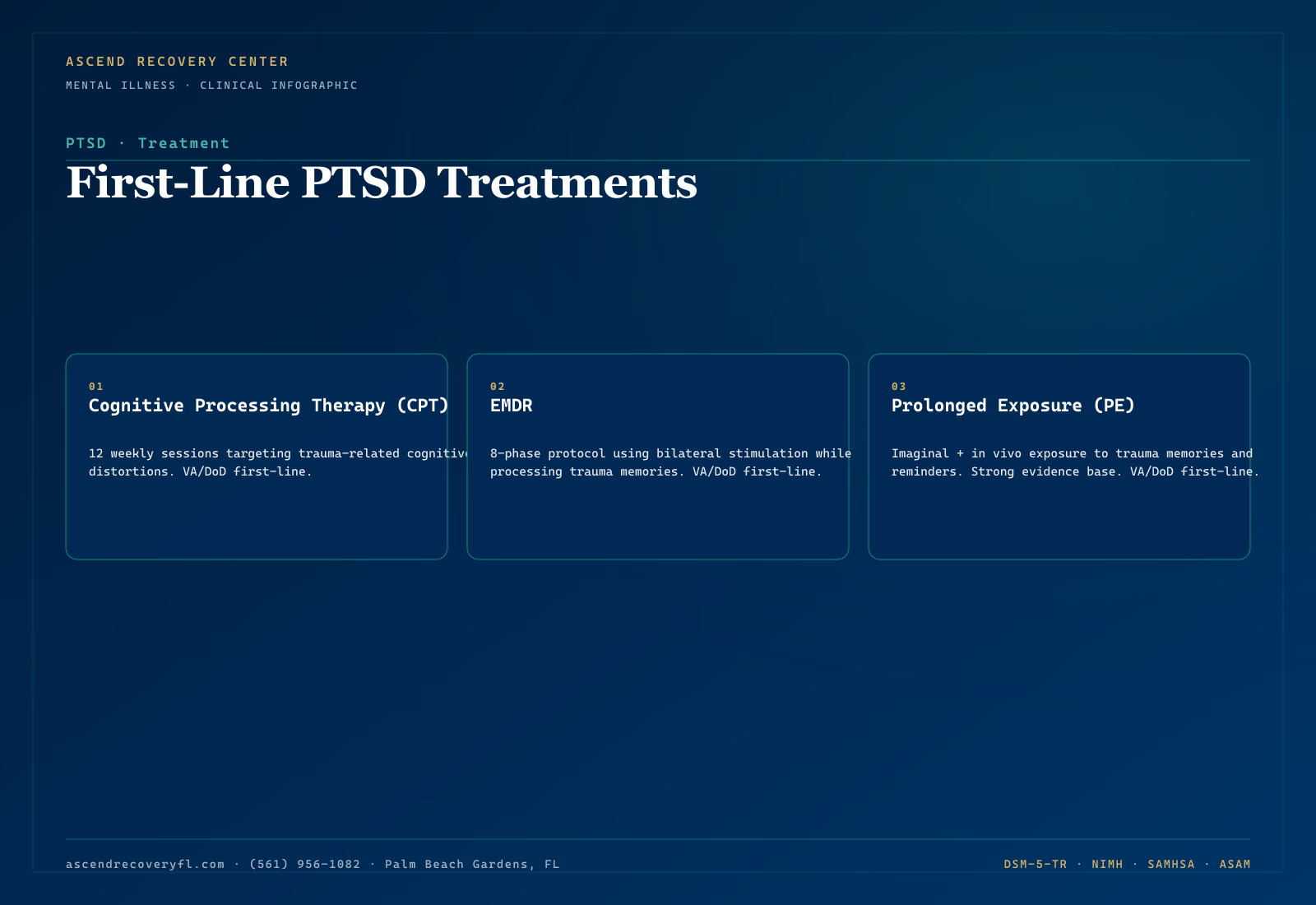
- Cognitive Processing Therapy (CPT): 12-session structured protocol targeting trauma-related cognitive distortions ("stuck points"). Uses written trauma account and Socratic dialogue. Strongest evidence for combat-related PTSD and adult interpersonal trauma.
- Prolonged Exposure (PE): 8-15 session protocol combining imaginal exposure (repeated revisiting of the trauma narrative) with in vivo exposure (gradual real-world exposure to avoided trauma reminders). Strongest evidence base — largest body of randomized trials of any PTSD treatment.
- Eye Movement Desensitization and Reprocessing (EMDR): 8-phase protocol using bilateral eye movements (or auditory/tactile stimulation) while processing trauma memories. Equivalent efficacy to CPT and PE per VA/DoD meta-analysis. Often preferred by clients who find narrative-based therapies emotionally overwhelming.
- SSRIs: sertraline and paroxetine are the only FDA-approved medications for PTSD. Response rates 40–60% as monotherapy; useful when trauma-focused therapy is declined or unavailable.
- SNRIs: venlafaxine has strong VA/DoD recommendation; equivalent efficacy to SSRIs.
- Benzodiazepines are contraindicated — they impair extinction learning, worsen trauma processing, and produce dependence that interferes with treatment per the VA/DoD CPG.
Does Your Insurance Cover Mental Illness Education?
Free, confidential verification in under 15 minutes.
How does PTSD connect to substance use disorders?
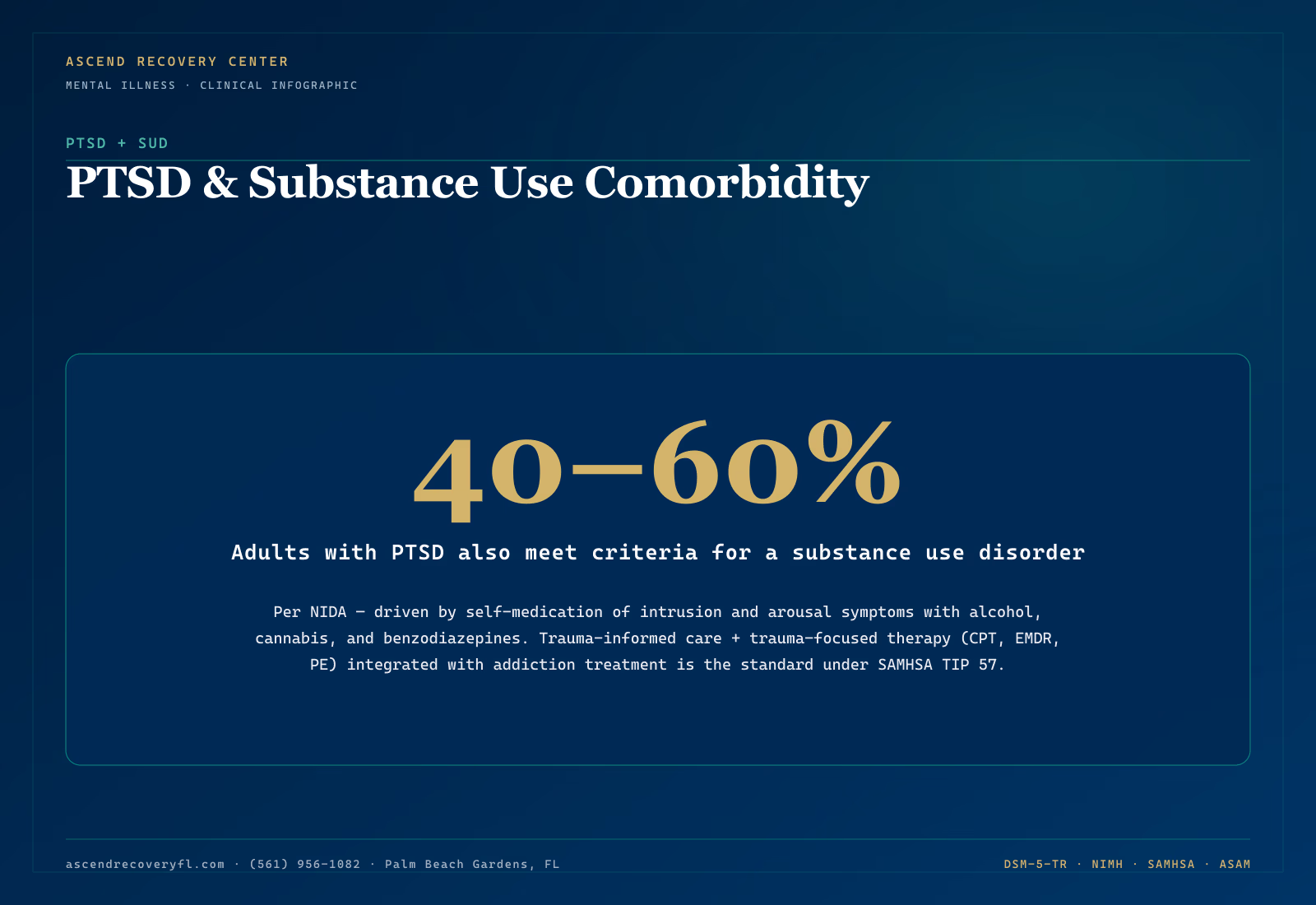
PTSD has one of the strongest co-occurrence rates with substance use disorders of any psychiatric condition — 40–60% of clients with PTSD develop a substance use disorder per NIDA data — driven primarily by self-medication of intrusive symptoms, hyperarousal, and sleep disturbance.
The self-medication pattern in PTSD:
- Alcohol — used to manage hyperarousal, sleep disturbance, and intrusive symptoms. Most common substance in PTSD self-medication. Produces short-term anxiolytic effect at the cost of REM sleep fragmentation that worsens nightmare frequency.
- Benzodiazepines — initially prescribed for hyperarousal and panic; produce dependence within 4–8 weeks of daily use. Contraindicated in PTSD per VA/DoD CPG — they impair trauma extinction learning and worsen long-term outcomes.
- Opioids — often initiated for trauma-related pain; produce emotional numbing that suppresses PTSD intrusive symptoms. The opioid crisis among military veterans is driven substantially by combined chronic pain + PTSD.
- Cannabis — used for sleep and to reduce nightmare frequency; produces short-term symptom suppression but increases long-term PTSD severity per longitudinal studies.
Concurrent treatment of PTSD and SUD with trauma-focused psychotherapy plus addiction treatment produces better outcomes than sequential treatment per SAMHSA TIP 57 and the VA Concurrent Treatment of PTSD and Substance Use Disorders (COPE) protocol. Dual diagnosis treatment at Ascend Recovery Center addresses both conditions in the same clinical episode by a trauma-informed multidisciplinary team.
Forty to sixty percent of PTSD presentations involve a co-occurring substance use disorder. Treating one without the other guarantees relapse. The standard of care under SAMHSA TIP 57 is concurrent trauma-focused therapy and substance use treatment — not sequential.
When should you seek PTSD treatment?
Treatment is indicated when PTSD symptoms persist for 1 month or more after a traumatic event, cause significant distress or functional impairment, drive avoidance that limits daily functioning, or co-occur with substance use, depression, or suicidal ideation. Earlier treatment engagement produces significantly better long-term outcomes than waiting for symptoms to resolve spontaneously — roughly one-third of PTSD cases become chronic without treatment per longitudinal studies.
Five specific indicators for clinical evaluation:
- PCL-5 score of 33 or higher — the validated cutoff on the PTSD Checklist for DSM-5 indicating probable PTSD diagnosis.
- Avoidance limiting daily functioning — avoiding driving after a motor vehicle accident, avoiding workplaces or relationships, withdrawing from previously enjoyed activities.
- Self-medication with alcohol, benzodiazepines, cannabis, or opioids — clinical warning sign for both PTSD severity and emerging substance use disorder.
- Sleep disturbance and nightmares persisting more than 4 weeks after the traumatic event.
- Co-occurring depression or suicidal ideation — PTSD with comorbid depression has the highest suicide risk in trauma populations.
Ascend Recovery Center's trauma and PTSD treatment at the PHP, IOP, and outpatient levels provides EMDR, CPT, Prolonged Exposure, trauma-informed group therapy, psychiatric medication management with SSRIs/SNRIs, and integrated dual diagnosis care for PTSD with co-occurring substance use disorder.
Is PTSD only a combat-veteran condition?
Common Misconception
"PTSD is something combat veterans have. It doesn't really apply to civilians."
What the Evidence Shows
Approximately 70% of PTSD cases in the U.S. are NOT combat-related. Sexual assault produces PTSD in approximately 45% of survivors per Kessler et al. (1995) — the single highest conditional rate of any trauma type, higher than combat exposure (12–30% range). Motor vehicle accidents, childhood abuse, intimate partner violence, sudden bereavement, and medical trauma (especially ICU stays) are all clinically significant PTSD precipitants. The diagnostic criteria changed in DSM-III (1980) and again in DSM-5 (2013) precisely because civilian trauma was producing the same neurobiological pattern as combat trauma.
Kessler RC et al., Posttraumatic stress disorder in the National Comorbidity Survey, Archives of General Psychiatry (1995); Kilpatrick DG et al., National estimates of exposure to traumatic events and PTSD prevalence, Journal of Traumatic Stress (2013).
PCL-5 — PTSD Symptom Self-Screen
Adapted from the PTSD Checklist for DSM-5 (Weathers et al., 2013) — the standard PTSD screener used by the VA and clinical researchers worldwide. Asks about symptoms in response to a specific stressful or traumatic experience. Takes 90 seconds.
In the past month, how much have you been bothered by repeated, disturbing memories of a stressful experience?
Confidential · Not a clinical diagnosis · Your answers stay in your browser


