Referenced in this article
Key Takeaways
- Mental illness affects 22.8% of U.S. adults annually (59.3 million people) per 2024 NIMH data — the most prevalent category of health condition.
- Causes are multifactorial: genetic vulnerability, early-life adversity, chronic stress, and substance or medical exposure interact via the diathesis-stress model.
- Diagnosis is clinical — structured DSM-5 interview supplemented by validated screening tools (PHQ-9, GAD-7, MDQ, PCL-5), with no blood test or imaging marker.
- Treatment combines psychotherapy (CBT, DBT, EMDR, IPT), pharmacotherapy (antidepressants, mood stabilizers, antipsychotics), and structured behavioral programming (PHP, IOP, outpatient).
- Untreated mental illness produces impact across occupational, educational, relational, physical health, and personal safety domains — leading cause of disability worldwide per WHO.
- 21.2 million U.S. adults have co-occurring mental illness and substance use disorder; integrated treatment is the standard of care under SAMHSA TIP 42 (Updated 2020).
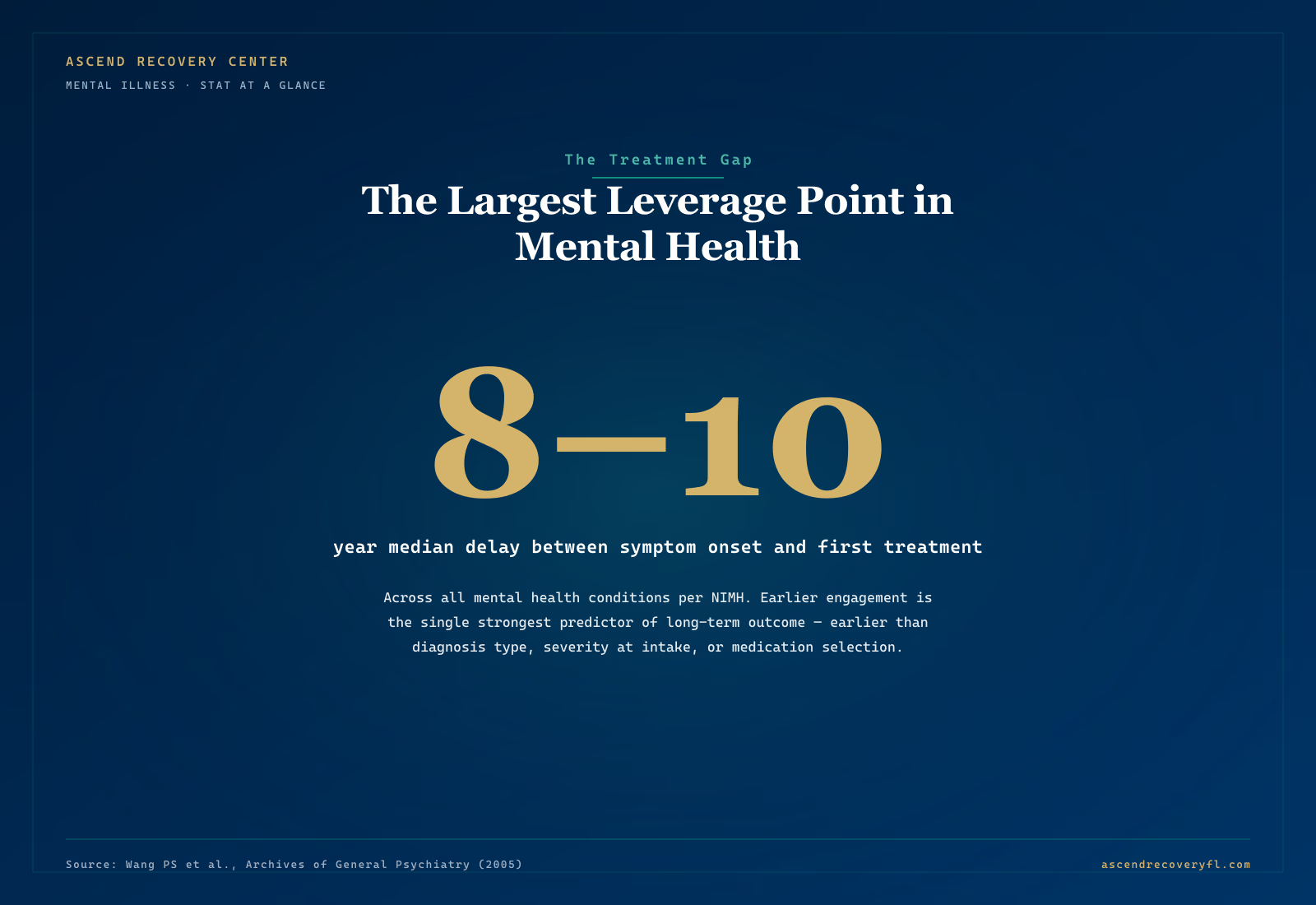
- Median delay between symptom onset and first treatment is 8–10 years; earlier engagement is the strongest leverage point for improving outcomes.
What are the causes of mental health disorders?
Mental health disorders develop through interaction of four causal categories: genetic and neurobiological vulnerability, early-life adversity and developmental trauma, chronic environmental stress, and substance exposure or medical conditions. No single factor produces mental illness in isolation — the diathesis-stress model is the most widely accepted clinical framework, holding that mental health conditions emerge when stressors interact with underlying vulnerability.
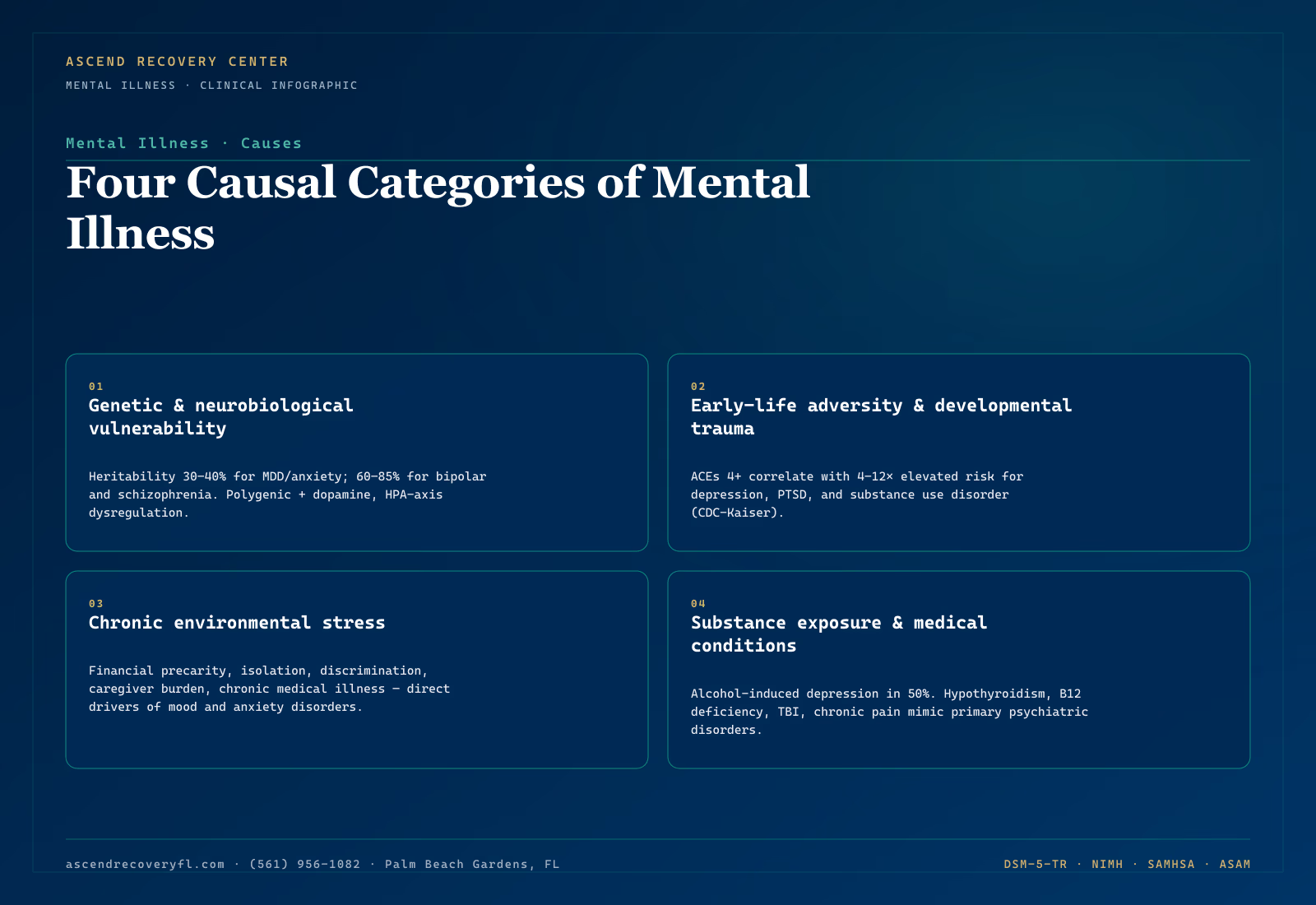
- Genetic and neurobiological vulnerability: heritability estimates range from 30–40% for major depressive disorder and anxiety disorders to 60–85% for bipolar disorder and schizophrenia per twin studies. The genetic contribution is polygenic and overlaps across diagnostic categories. Neurobiologically, mental health conditions share dysregulation of mesolimbic dopamine reward circuitry, prefrontal cortex executive function, amygdala-driven stress response, and HPA-axis hyperactivity.
- Early-life adversity and developmental trauma: childhood physical abuse, sexual abuse, emotional neglect, household substance use, and parental mental illness — the Adverse Childhood Experiences (ACEs) framework — are among the strongest predictors of adult mental health diagnosis. ACE scores of 4+ correlate with 4–12× elevated risk for depression, PTSD, and substance use disorder per CDC-Kaiser data.
- Chronic environmental stress: sustained financial precarity, social isolation, discrimination, occupational stress, caregiver burden, and chronic medical illness produce HPA-axis dysregulation and emerge as direct contributors to mood and anxiety disorders.
- Substance exposure and medical conditions: chronic heavy alcohol use produces depression in 50% of clients (which may resolve with abstinence). Hypothyroidism, vitamin B12 deficiency, traumatic brain injury, and chronic pain produce psychiatric symptoms that meet DSM-5 criteria for primary mood or anxiety disorders. Differential diagnosis must rule out substance-induced and medical conditions.
How is mental health diagnosed?
Mental health conditions are diagnosed clinically through structured interview against DSM-5 criteria by a licensed mental health professional, supplemented by validated screening instruments matched to the presenting symptoms. There is no blood test or imaging study that diagnoses mental illness — diagnosis relies on the systematic assessment of symptom pattern, duration, severity, and functional impairment.
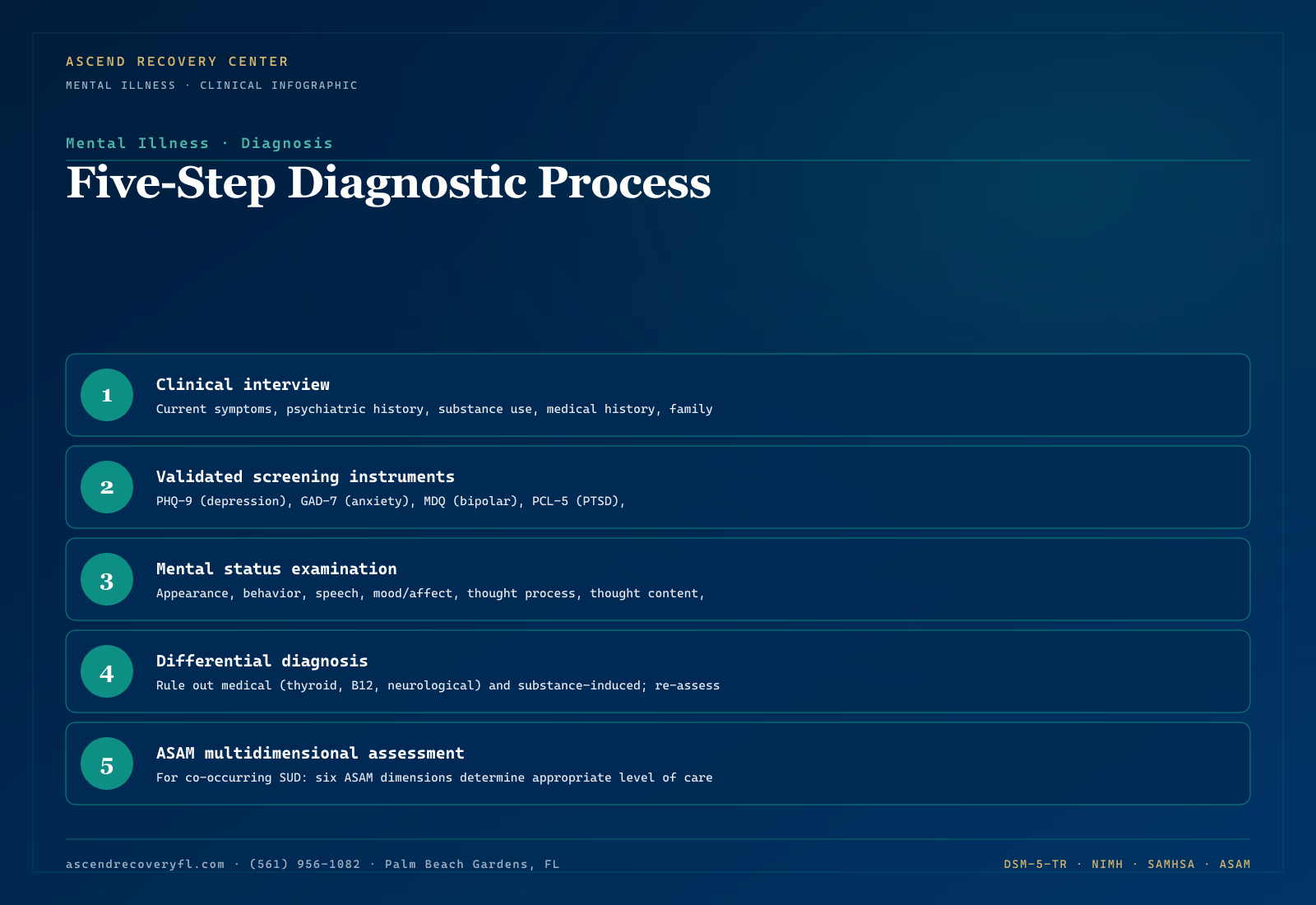
The standard diagnostic process involves five components:
- Clinical interview covering current symptoms, psychiatric history, substance use history, medical history, family history of mental illness, trauma history, and current functional status (work, school, relationships, self-care).
- Validated screening instruments matched to presenting symptoms: PHQ-9 (depression), GAD-7 (anxiety), MDQ (bipolar disorder), PCL-5 (PTSD), AUDIT and DAST-10 (substance use), Y-BOCS (OCD), MoCA (cognitive function).
- Mental status examination evaluating appearance, behavior, speech, mood and affect, thought process, thought content, perception, cognition, insight, and judgment.
- Differential diagnosis ruling out medical conditions (hypothyroidism, vitamin deficiencies, neurological conditions) and substance-induced presentations, with re-assessment at 4–8 weeks of stable abstinence if substance use is active.
- ASAM multidimensional assessment for clients with co-occurring substance use disorder, determining the appropriate level of care across the six ASAM dimensions.
Initial mental health assessment typically takes 60–90 minutes. Diagnosis may be provisional after a single assessment and refined over the first 4–8 weeks of treatment as the clinical picture clarifies — particularly when substance use is present.
What are the treatment options for mental health disorders?
Evidence-based mental health treatment combines three categories: psychotherapy (cognitive behavioral therapy, DBT, EMDR, interpersonal therapy), pharmacotherapy (antidepressants, mood stabilizers, antipsychotics, anxiolytics), and structured behavioral programming (partial hospitalization, intensive outpatient, standard outpatient). The treatment plan is matched to diagnosis, severity, and clinical context — single-modality treatment works for mild presentations, while moderate-to-severe presentations and co-occurring conditions require integrated multi-modal care.
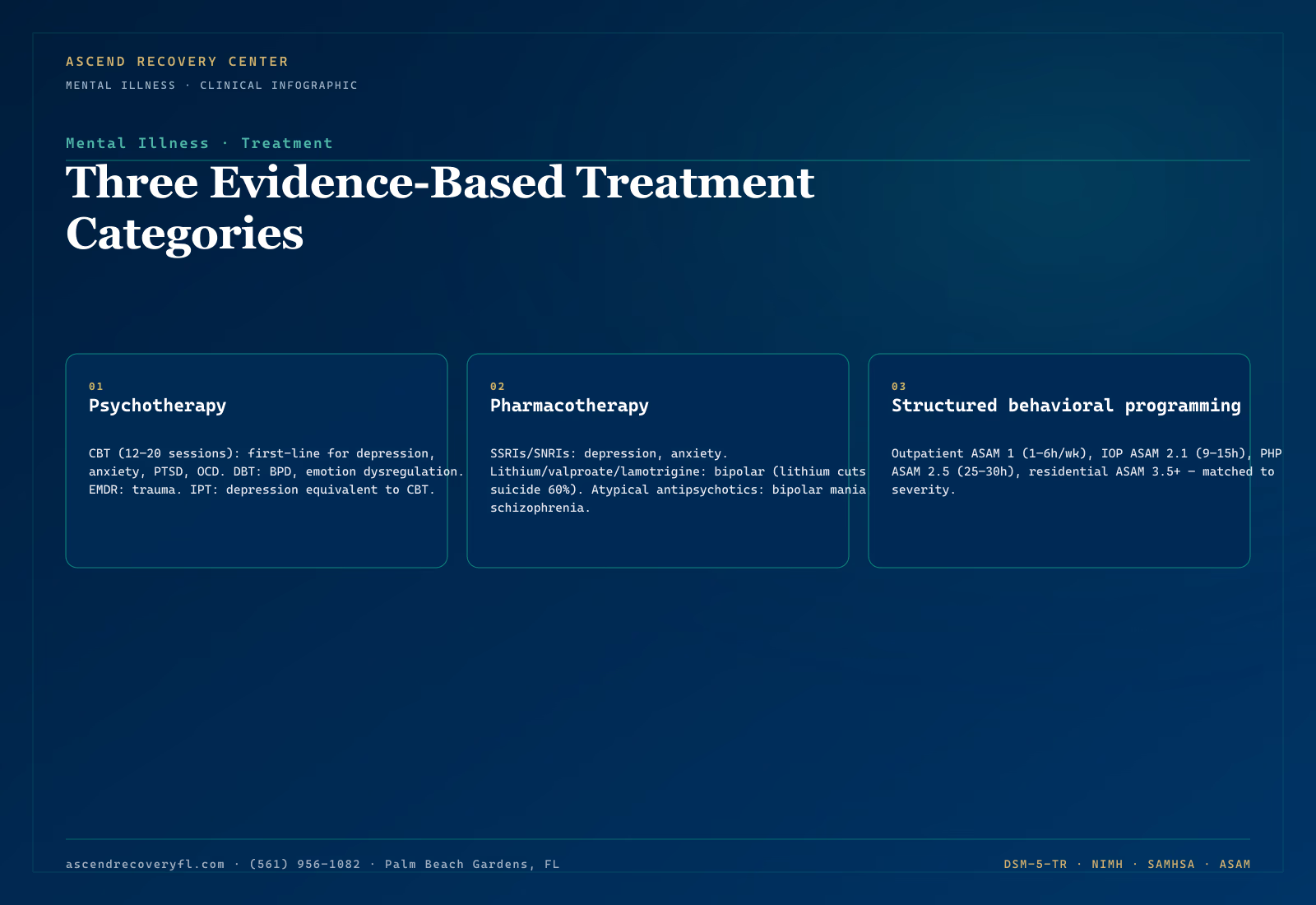
- Cognitive Behavioral Therapy (CBT): first-line psychotherapy for depression, anxiety disorders, PTSD, OCD, eating disorders. 12–20 sessions targeting maladaptive thought patterns and behavior.
- Dialectical Behavior Therapy (DBT): first-line for borderline personality disorder, self-harm, emotion dysregulation; effective for substance use disorders with co-occurring emotional volatility.
- EMDR (Eye Movement Desensitization and Reprocessing): first-line trauma-focused therapy for PTSD; 8-phase protocol using bilateral stimulation while processing trauma memories.
- Interpersonal Therapy (IPT): equivalent efficacy to CBT for depression; addresses grief, role transitions, interpersonal disputes, and interpersonal deficits.
- Antidepressants: SSRIs (sertraline, escitalopram, fluoxetine), SNRIs (venlafaxine, duloxetine), atypicals (bupropion, mirtazapine) — first-line pharmacotherapy for depression and most anxiety disorders.
- Mood stabilizers: lithium, valproate, lamotrigine — first-line for bipolar disorder; lithium uniquely reduces suicide risk by 60% per meta-analytic data.
- Atypical antipsychotics: quetiapine, olanzapine, lurasidone, aripiprazole — first-line for bipolar mania, adjunctive for treatment-resistant depression, and indicated for schizophrenia-spectrum disorders.
- Levels of behavioral programming: standard outpatient (ASAM 1, 1–6 hours/week), Intensive Outpatient (ASAM 2.1, 9–15 hours/week), Partial Hospitalization (ASAM 2.5, 25–30 hours/week), residential (ASAM 3.5+) — matched to severity and clinical risk.
Ascend Recovery Center delivers mental health treatment across PHP, IOP, and outpatient levels with integrated dual diagnosis care for clients with co-occurring substance use disorders.
The 8 to 10 year delay between symptom onset and first treatment is the single largest leverage point in mental health. Symptoms are detectable years before clients seek care. Screening in primary care closes that gap.
What is the impact of mental health on daily life?
Untreated mental illness produces functional impairment across work, education, relationships, physical health, and personal safety — the World Health Organization documents that mental health conditions are the leading cause of disability worldwide. The clinical literature classifies impact in five domains.
- Occupational impact: mental health conditions are responsible for 12 billion lost productive workdays globally each year per WHO. Untreated depression alone reduces work productivity by approximately 35% during depressive episodes. Workplace accommodations under the Americans with Disabilities Act (ADA) are protected for documented mental health conditions.
- Educational impact: NIMH data documents that 20.1% of U.S. adolescents experienced a major depressive episode in the past year, with academic decline as the most common early warning sign. College students with anxiety or depression have 2× elevated risk of academic dismissal compared to peers per the American College Health Association.
- Relational impact: mental health conditions strain marriages, parent-child relationships, friendships, and professional relationships. The clinical literature on social functioning consistently identifies treatment of mental illness as the single strongest predictor of relational repair.
- Physical health impact: chronic mental health conditions correlate with 10–20 years reduced life expectancy per Lancet 2017 meta-analysis, driven by elevated cardiovascular disease, metabolic syndrome, substance use disorder, and suicide. The mortality gap is largest for schizophrenia (15–20 years) and bipolar disorder (10–15 years).
- Personal safety: suicide is the second-leading cause of death in U.S. adults aged 25–34. Mental health conditions are present in approximately 60% of completed suicides. The 988 Suicide and Crisis Lifeline provides free, confidential, 24/7 crisis support.
Treatment reduces impact across all five domains. The clinical evidence is unambiguous that earlier engagement produces better long-term outcomes than waiting for symptoms to resolve spontaneously.
Does Your Insurance Cover Mental Illness Education?
Free, confidential verification in under 15 minutes.
What are the statistics on mental health?
The National Institute of Mental Health (NIMH) documents that 22.8% of U.S. adults (59.3 million people) experienced any mental illness in the past year — making mental health conditions the most prevalent category of health condition affecting U.S. adults. Lifetime prevalence is significantly higher, with anxiety disorders affecting 31.1% of U.S. adults at some point in their lives.
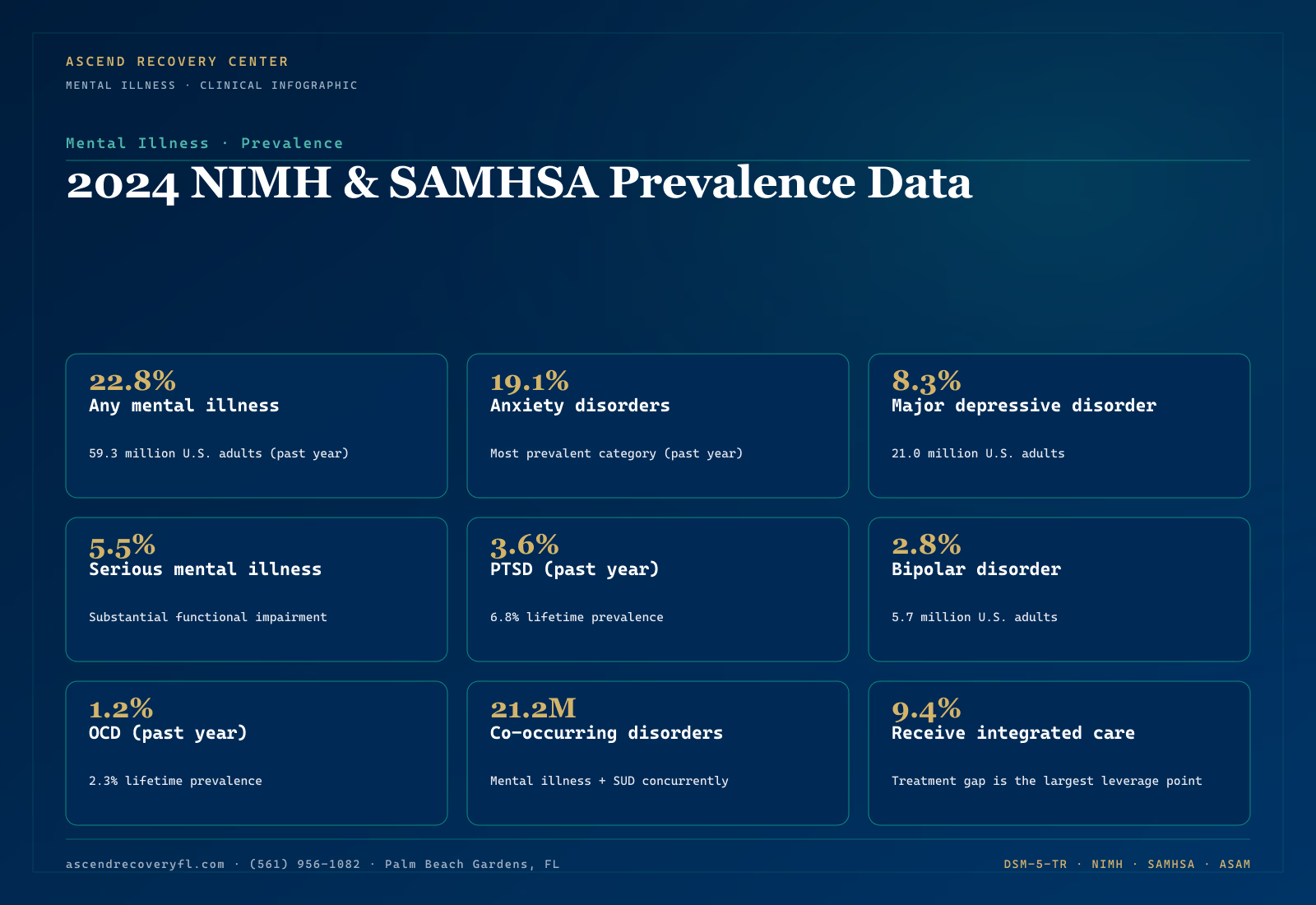
- Any mental illness (AMI): 22.8% of U.S. adults in past year (59.3 million); 50.6% of adolescents lifetime.
- Serious mental illness (SMI): 5.5% of U.S. adults — defined as mental illness with substantial interference in major life activity.
- Major depressive disorder: 8.3% past year, 20.6% lifetime; 21.0 million U.S. adults affected annually.
- Anxiety disorders (any): 19.1% past year, 31.1% lifetime — the most prevalent category.
- Bipolar disorder: 2.8% past year, 4.4% lifetime; 5.7 million U.S. adults affected.
- PTSD: 3.6% past year, 6.8% lifetime; significantly elevated in military veterans (12–30%) and sexual assault survivors (45%).
- OCD: 1.2% past year, 2.3% lifetime.
- Eating disorders: 1.1% past year (any), 3.0% lifetime (anorexia, bulimia, binge eating disorder combined).
- Schizophrenia-spectrum disorders: 0.25–0.64% lifetime prevalence; most severe category in terms of mortality and functional impact.
- Co-occurring mental illness and substance use disorder: 7.7% of U.S. adults (21.2 million) per 2024 SAMHSA NSDUH — only 9.4% of those affected receive treatment for both conditions.
Despite the prevalence, fewer than 50% of U.S. adults with any mental illness received structured treatment in the past year per NIMH. The median delay between symptom onset and first treatment is 8–10 years across mental health conditions — recognizing the early signs of mental illness and seeking assessment early is the single biggest leverage point for improving outcomes.
Treatment-resistant cases are rarely treatment-resistant when you re-screen for substance use, sleep apnea, and thyroid dysfunction. The differential diagnosis is where mental health treatment outcomes are made or lost.
What are 10 mental illnesses, the 7 types, the 5 serious mental illnesses, and the 20 types of mental disorders?
The DSM-5-TR catalogues more than 300 specific psychiatric diagnoses organized into 22 broad diagnostic categories. Public-facing lists of "10 mental illnesses" or "7 types" are clinical approximations that highlight the most prevalent or recognizable conditions. Below are the most clinically meaningful ways to group mental illnesses by prevalence, severity, and DSM-5 category.
The 10 most prevalent mental illnesses in U.S. adults (NIMH past-year data):
- Anxiety disorders (19.1% past year)
- Major depressive disorder (8.3%)
- PTSD (3.6%)
- Bipolar disorder (2.8%)
- Borderline personality disorder (1.6%)
- OCD (1.2%)
- Eating disorders (1.1%)
- ADHD in adults (4.4% past year)
- Schizophrenia-spectrum disorders (0.25–0.64% lifetime)
- Substance use disorders (17.3% past year, often co-occurring)
The 7 broad types of mental illness (DSM-5-TR meta-categories most commonly used in public-facing clinical communication):
- Anxiety disorders (GAD, panic, social anxiety, specific phobia, agoraphobia, separation anxiety)
- Depressive disorders (MDD, persistent depressive disorder, PMDD, seasonal affective disorder)
- Bipolar and related disorders (Bipolar I, Bipolar II, cyclothymic disorder)
- Trauma- and stressor-related disorders (PTSD, acute stress disorder, adjustment disorders)
- Obsessive-compulsive and related disorders (OCD, body dysmorphic disorder, hoarding disorder, trichotillomania)
- Substance-related and addictive disorders (alcohol use disorder, opioid use disorder, gambling disorder, etc.)
- Personality disorders (borderline, narcissistic, antisocial, avoidant, dependent)
The 5 serious mental illnesses (SMI) — the federal definition under SAMHSA's adult population data system, requiring substantial functional impairment:
- Major depressive disorder (severe)
- Bipolar disorder (Bipolar I and severe Bipolar II)
- Schizophrenia and schizoaffective disorder
- Severe PTSD
- Severe borderline personality disorder
The 20 most clinically common DSM-5-TR diagnoses (a representative cross-section of named diagnoses encountered most often in clinical practice):
- Generalized Anxiety Disorder
- Major Depressive Disorder
- Panic Disorder
- Social Anxiety Disorder
- Specific Phobia
- Persistent Depressive Disorder
- Bipolar I Disorder
- Bipolar II Disorder
- Post-Traumatic Stress Disorder
- Acute Stress Disorder
- Obsessive-Compulsive Disorder
- Attention-Deficit/Hyperactivity Disorder
- Alcohol Use Disorder
- Opioid Use Disorder
- Cannabis Use Disorder
- Anorexia Nervosa
- Bulimia Nervosa
- Binge Eating Disorder
- Borderline Personality Disorder
- Schizophrenia
Most clients meet criteria for more than one DSM-5 diagnosis at the same time — comorbidity is the clinical norm rather than the exception, particularly when substance use disorders are involved. Integrated treatment addressing all co-occurring conditions concurrently is the standard of care under SAMHSA TIP 42 (Updated 2020). For depth on co-occurring presentations, see our co-occurring disorders guide and the addiction-side dual diagnosis article.
What's the biggest myth about mental illness?
Common Misconception
"Mental illness is rare. If I knew someone with it, I'd know."
What the Evidence Shows
22.8% of U.S. adults — 59.3 million people — experienced a mental illness in the past year per NIMH. Lifetime anxiety disorder prevalence is 31.1% — nearly one in three. The reason most people "don't know anyone" with mental illness is the median 8–10 year delay between symptom onset and first clinical treatment. The conditions are common; the diagnosis and disclosure are not.
NIMH Statistics: Any Mental Illness (2024); Kessler RC et al., National Comorbidity Survey Replication — lifetime prevalence estimates.