


Referenced in this article
Key Takeaways
- The DSM-5 recognizes six primary anxiety disorders: generalized anxiety disorder, panic disorder, social anxiety disorder, specific phobia, agoraphobia, and separation anxiety disorder.
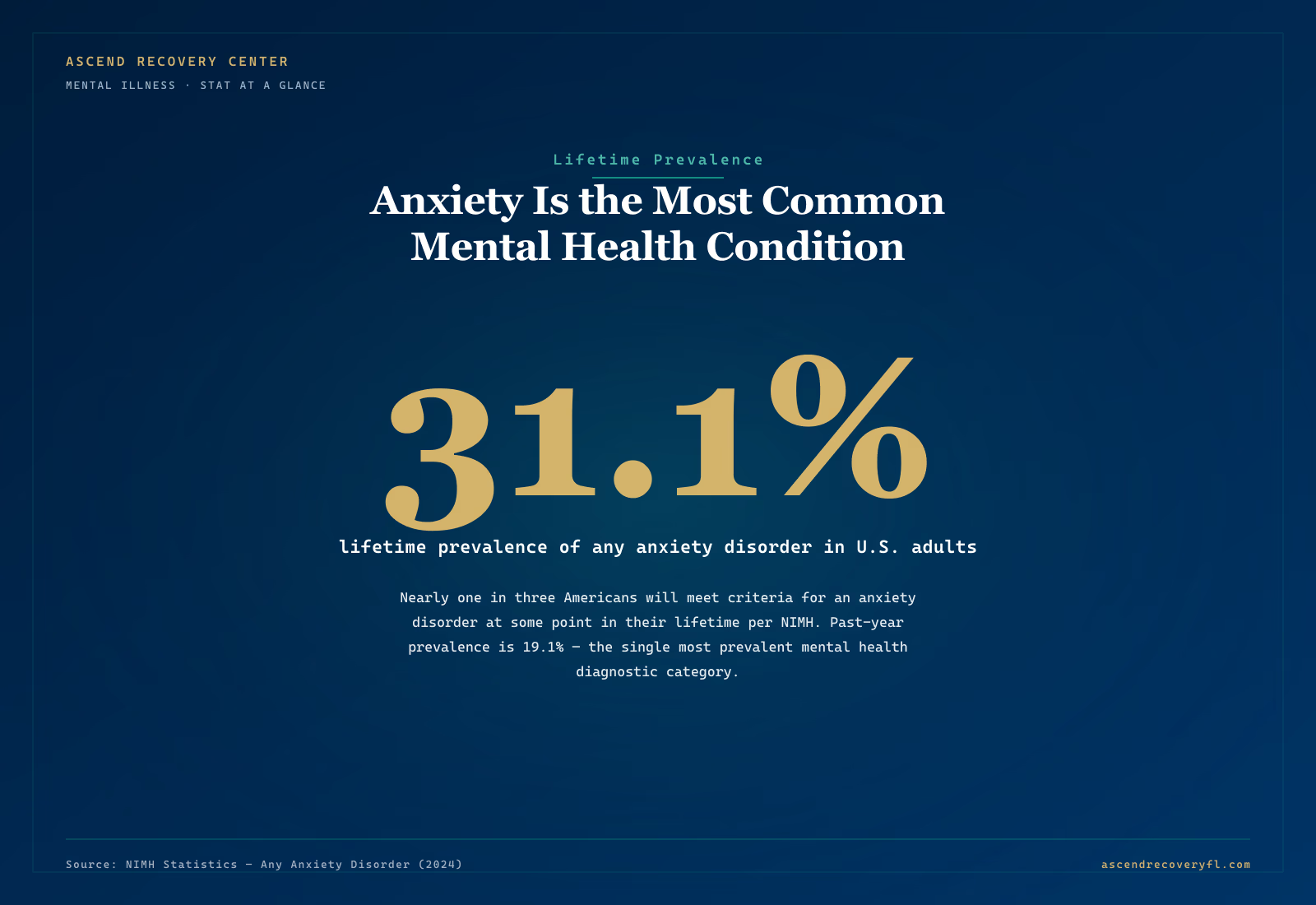
- Anxiety disorders are the most prevalent mental health condition in the United States, affecting 19.1% of adults in the past 12 months per NIMH data.
- Cognitive behavioral therapy (CBT) and SSRI or SNRI pharmacotherapy are first-line evidence-based treatments with combined response rates of 70–80%.
- Benzodiazepines are second-line treatment due to dependence risk, particularly in clients with co-occurring substance use disorder.
- Anxiety disorders co-occur with substance use disorders at high rates (24% co-occurrence with AUD in social anxiety disorder per NIDA data).
- Integrated dual diagnosis treatment addressing anxiety and any co-occurring substance use disorder concurrently is the standard of care under SAMHSA TIP 42.
What are the 6 DSM-5 anxiety disorders?
The six DSM-5 anxiety disorders are generalized anxiety disorder (GAD), panic disorder, social anxiety disorder, specific phobia, agoraphobia, and separation anxiety disorder. Each has distinct diagnostic features, age of typical onset, and first-line evidence-based treatment.
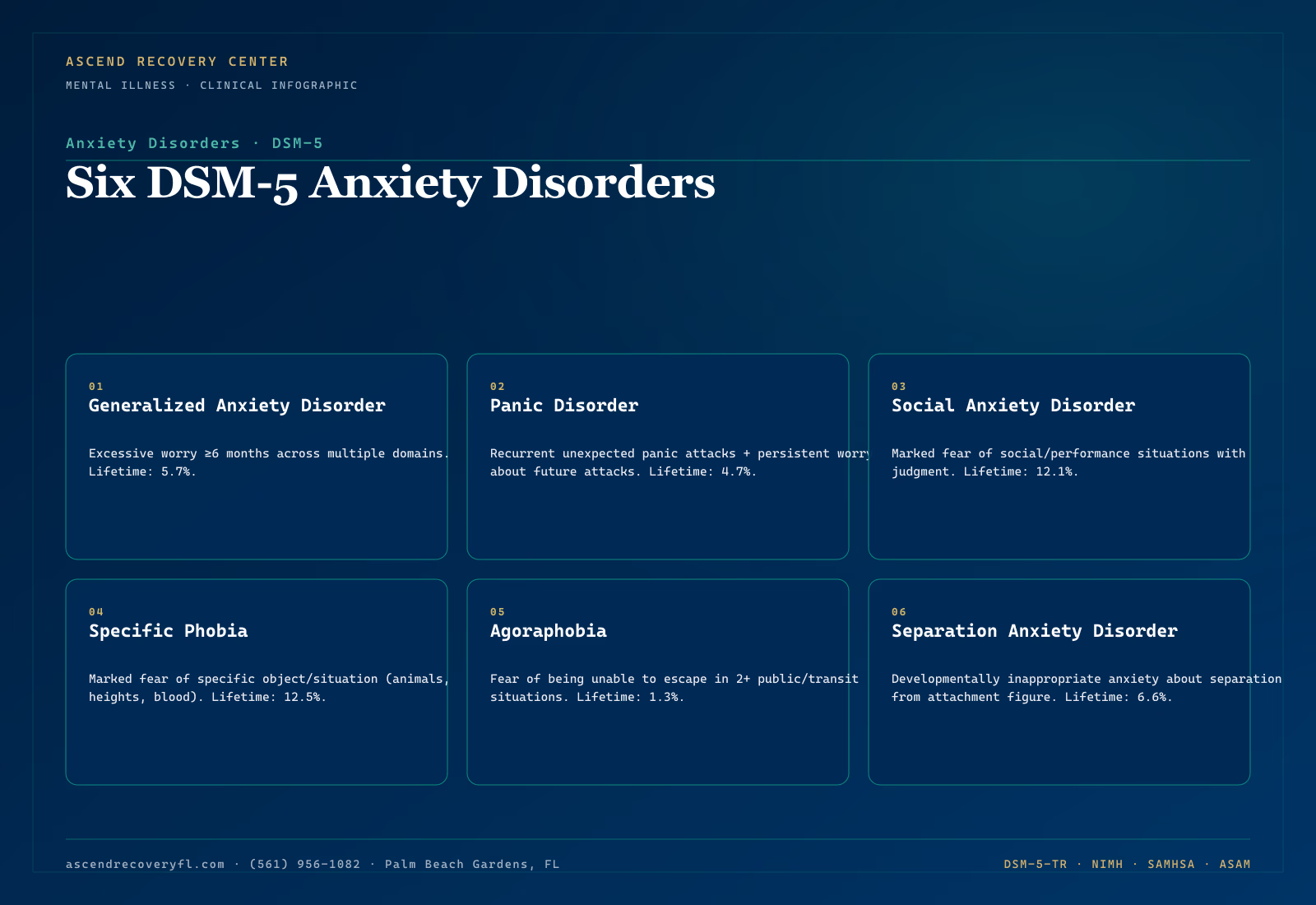
- Generalized Anxiety Disorder (GAD): excessive worry about multiple events for at least 6 months, with 3+ of restlessness, fatigue, concentration difficulty, irritability, muscle tension, sleep disturbance. NIMH lifetime prevalence: 5.7%.
- Panic Disorder: recurrent unexpected panic attacks (abrupt surge of intense fear peaking within minutes, 4+ of 13 specific symptoms) plus persistent concern about additional attacks. Lifetime prevalence: 4.7%.
- Social Anxiety Disorder: marked fear of social situations involving possible scrutiny, fear of negative evaluation, avoidance, persisting 6+ months. Lifetime prevalence: 12.1%.
- Specific Phobia: marked fear of specific object or situation (animal, natural environment, blood-injection-injury, situational, other), persisting 6+ months, with immediate fear response on exposure. Lifetime prevalence: 12.5%.
- Agoraphobia: marked fear of 2+ of using public transportation, being in open spaces, being in enclosed spaces, standing in line or being in a crowd, being outside of the home alone. Lifetime prevalence: 1.3%.
- Separation Anxiety Disorder: developmentally inappropriate fear of separation from attachment figures, persisting 4+ weeks in children or 6+ months in adults. Adult lifetime prevalence: 1.9%.
How is generalized anxiety disorder (GAD) diagnosed?
Generalized anxiety disorder is diagnosed by meeting all of the DSM-5 criteria: excessive anxiety and worry about multiple events, occurring more days than not for at least 6 months, that the individual finds difficult to control, accompanied by 3 or more of 6 specific physical or cognitive symptoms. The worry causes clinically significant distress or impairment in social, occupational, or other important areas of functioning.
The six accompanying symptoms (3 or more required for diagnosis):
- Restlessness or feeling keyed up
- Being easily fatigued
- Difficulty concentrating or mind going blank
- Irritability
- Muscle tension
- Sleep disturbance (difficulty falling or staying asleep, or restless unsatisfying sleep)
The Generalized Anxiety Disorder 7-item scale (GAD-7) is the most-validated screening instrument. Scores of 5–9 indicate mild anxiety, 10–14 moderate, 15+ severe — the 10+ threshold has 89% sensitivity and 82% specificity for GAD diagnosis in primary care settings per a 2006 Spitzer validation study still used as the screening standard.
Differential diagnosis rules out hyperthyroidism, substance-induced anxiety (caffeine, stimulants, benzodiazepine withdrawal), and other anxiety disorders that share overlapping features.
What is the difference between panic disorder and panic attacks?
A panic attack is a discrete episode of intense fear or discomfort that peaks within minutes and includes 4 or more of 13 DSM-5 panic-attack symptoms; panic disorder is the recurrent occurrence of unexpected panic attacks combined with persistent concern about future attacks or significant behavioral change as a result. Panic attacks alone — without the recurrent and unexpected pattern plus the persistent concern — do not constitute panic disorder.
The 13 DSM-5 panic-attack symptoms (4+ required):
- Palpitations, pounding heart, accelerated heart rate
- Sweating
- Trembling or shaking
- Sensations of shortness of breath or smothering
- Feelings of choking
- Chest pain or discomfort
- Nausea or abdominal distress
- Feeling dizzy, unsteady, light-headed, faint
- Chills or heat sensations
- Paresthesias (numbness or tingling)
- Derealization or depersonalization
- Fear of losing control or going crazy
- Fear of dying
Panic attacks are common in many anxiety and mood disorders — approximately 11% of U.S. adults experience a panic attack in any given year (NIMH), but only 4.7% meet criteria for panic disorder lifetime. Panic disorder is treated with CBT including interoceptive exposure (deliberate induction of feared physical sensations to break the panic-fear cycle) plus SSRI or SNRI pharmacotherapy.
The single most common error in anxiety care is using benzodiazepines as a first-line treatment. They work in 30 minutes, but they don't treat the disorder, and they create new problems — particularly in clients with any substance use history. SSRIs plus CBT is what actually moves the needle.
How does social anxiety disorder differ from shyness?
Social anxiety disorder is a clinical condition characterized by marked fear of social situations involving possible scrutiny, fear of negative evaluation by others, persistent avoidance of feared situations, and significant impairment in daily functioning — lasting 6 or more months. Shyness is a personality trait without the impairment threshold or chronicity required for diagnosis.
The DSM-5 distinguishes two subtypes based on the breadth of feared situations:
- Generalized social anxiety disorder: fear of most social and performance situations — most adult cases fall in this category and produce the most significant impairment.
- Performance-only social anxiety disorder: fear restricted to performance situations (public speaking, performing music, professional presentations) — common in college students and adults whose work involves public speaking.
The Liebowitz Social Anxiety Scale (LSAS) is the gold-standard clinician-administered measure with strong validity across both subtypes. Cognitive behavioral therapy with social skills training and graduated exposure produces a 65–75% response rate in randomized trials. SSRIs (paroxetine, sertraline) and SNRIs (venlafaxine) are first-line pharmacotherapy; benzodiazepines are not appropriate due to dependence risk and the high rate of co-occurring alcohol use disorder in social anxiety populations.
Does Your Insurance Cover Mental Illness Education?
Free, confidential verification in under 15 minutes.
What evidence-based treatments work for anxiety disorders?
The two first-line evidence-based treatments for anxiety disorders are Cognitive Behavioral Therapy (CBT) — specifically exposure-based CBT — and SSRI or SNRI pharmacotherapy. Combined CBT plus pharmacotherapy produces better outcomes than either alone for moderate-to-severe presentations per APA Clinical Practice Guidelines.
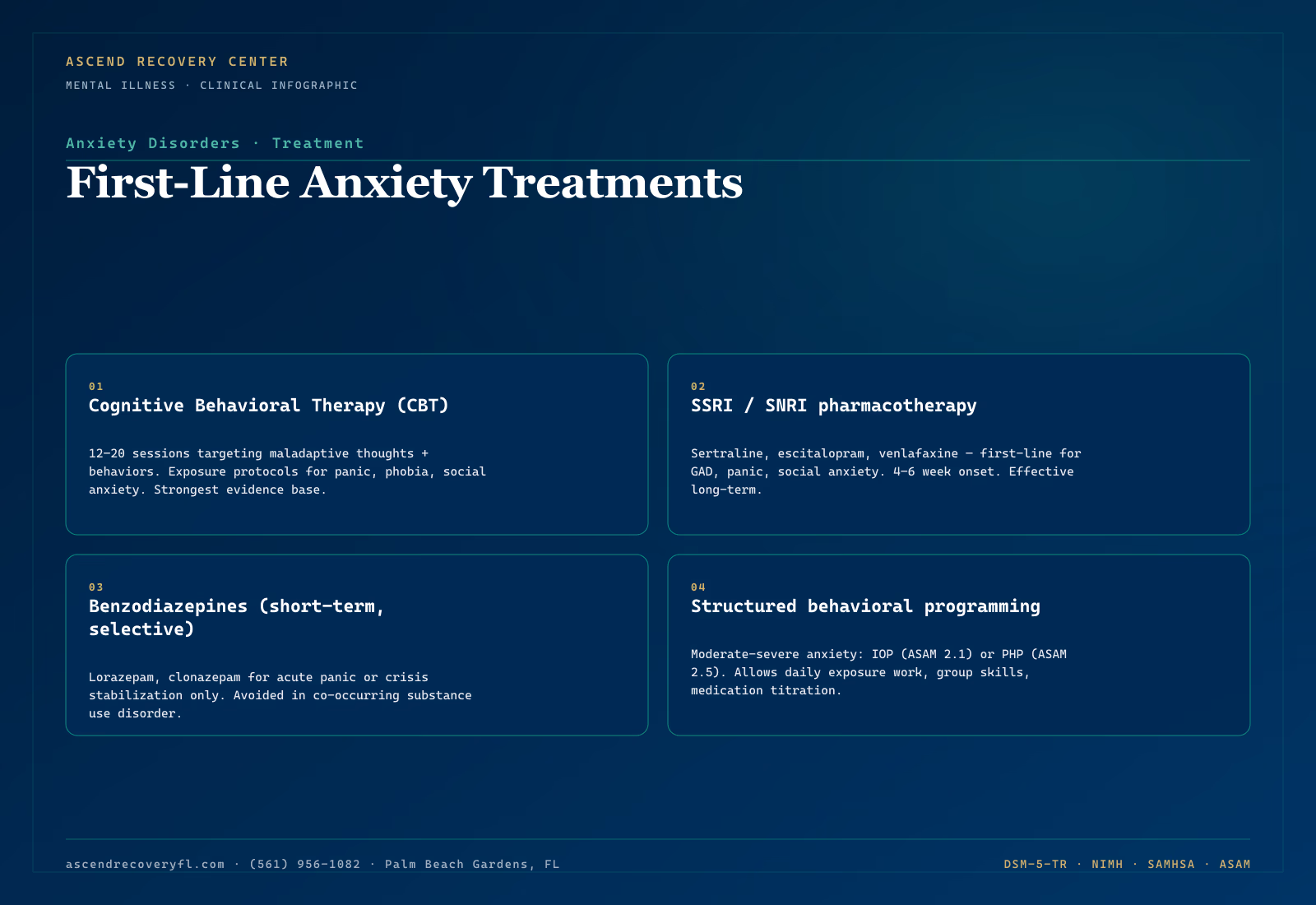
- Cognitive Behavioral Therapy (CBT): the gold-standard psychological treatment, with response rates of 60–80% across all six anxiety disorder subtypes. Core components include psychoeducation, cognitive restructuring of catastrophic thought patterns, gradual exposure to feared situations or sensations, and skills for managing physiological arousal.
- Exposure and Response Prevention (ERP): the specific CBT protocol for anxiety with avoidance behavior; involves systematic, graduated exposure to feared stimuli without engaging in the avoidance or safety behaviors that maintain the fear cycle.
- SSRIs (selective serotonin reuptake inhibitors): sertraline, escitalopram, fluoxetine, paroxetine — first-line pharmacotherapy. Onset of full effect at 6–8 weeks; initial 2-week period may produce transient symptom worsening.
- SNRIs (serotonin-norepinephrine reuptake inhibitors): venlafaxine, duloxetine — equivalent first-line option, particularly useful for GAD and clients with co-occurring depression or chronic pain.
- Buspirone: non-benzodiazepine anxiolytic effective for GAD; safe in clients with substance use disorder; onset of effect at 2–4 weeks.
- Benzodiazepines: second-line, time-limited use (typically 2–4 weeks) for severe acute anxiety; contraindicated in clients with substance use disorder due to dependence risk and disinhibition effects.
How are anxiety disorders connected to substance use disorders?
Anxiety disorders and substance use disorders co-occur at high rates because individuals with untreated anxiety frequently use alcohol, benzodiazepines, and cannabis to manage anxiety symptoms — a pattern known as the self-medication hypothesis. NIDA documents that 24% of individuals with social anxiety disorder also meet criteria for alcohol use disorder in the past year, the highest comorbidity rate among the anxiety disorders.
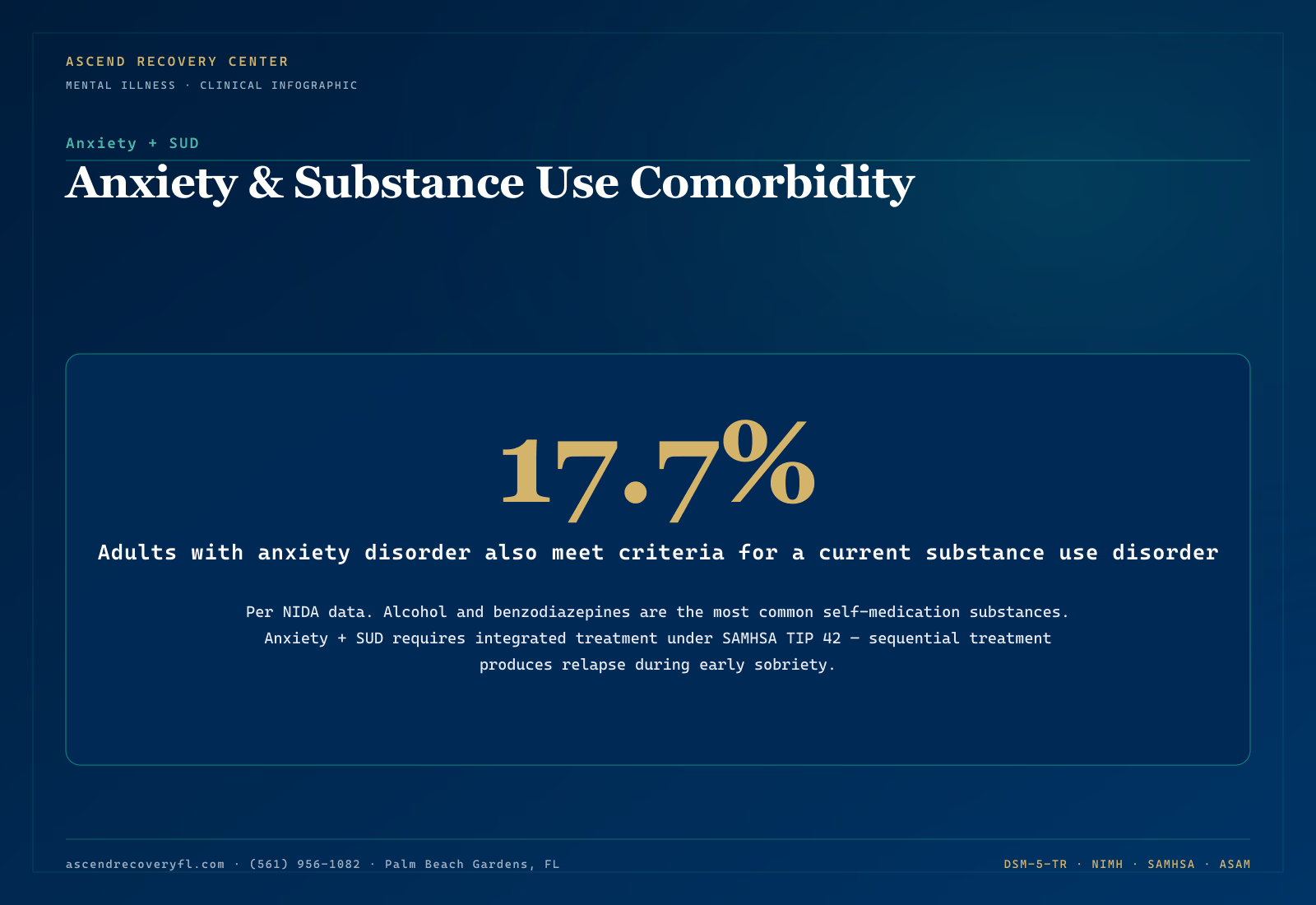
The three substances most commonly used to self-medicate anxiety:
- Alcohol — produces short-term GABA-mediated anxiety reduction but disrupts sleep architecture, worsens GAD symptoms over time, and produces rebound anxiety during withdrawal that drives continued use.
- Benzodiazepines — initially prescribed for anxiety, but tolerance develops within 4–6 weeks, dependence develops within 8–12 weeks of daily use, and withdrawal produces rebound anxiety more severe than the original condition.
- Cannabis — short-term anxiolytic effect at low doses but anxiogenic effect at high doses or in vulnerable populations; chronic use increases panic disorder and social anxiety risk per longitudinal studies.
Integrated treatment addressing both the anxiety disorder and the substance use disorder concurrently — typically with non-addictive pharmacotherapy (SSRI or buspirone) plus CBT — is the standard of care under SAMHSA TIP 42 (Updated 2020). Dual diagnosis treatment at Ascend Recovery Center addresses both conditions in the same clinical episode by the same multidisciplinary team.
Exposure work is uncomfortable by design. Clients who push through the first three sessions consistently report that the fourth feels different — that's the amygdala's habituation curve in action.
When should you seek treatment for an anxiety disorder?
Treatment is indicated when anxiety symptoms persist for 4 or more weeks, cause significant distress or impairment in work, school, relationships, or self-care, drive avoidance behavior that limits daily functioning, or co-occur with substance use, depression, or suicidal ideation. The clinical evidence is unambiguous that earlier treatment engagement produces better long-term outcomes than waiting for symptoms to resolve spontaneously.
Five specific indicators that treatment is needed:
- GAD-7 score of 10 or higher — the validated threshold for moderate-to-severe anxiety requiring clinical evaluation.
- Functional impairment — missed work or school, avoidance of social activities, inability to complete previously routine tasks.
- Self-medication with alcohol, benzodiazepines, or cannabis — a clinical warning sign for both anxiety disorder severity and emerging substance use disorder.
- Co-occurring depression — anxiety with depression has higher suicide risk and lower response to monotherapy than either alone.
- Panic attacks driving avoidance behavior — agoraphobic avoidance develops within 6 months of recurrent panic attacks in 30–50% of untreated cases per NIMH data.
Ascend Recovery Center's anxiety disorder treatment at the PHP, IOP, and outpatient levels provides evidence-based CBT, ERP, psychiatric medication management, and integrated dual diagnosis care for anxiety with co-occurring substance use disorder.
Is anxiety just stress that needs willpower?
Common Misconception
"Anxiety is just stress. People should manage it with willpower or relaxation techniques."
What the Evidence Shows
fMRI studies show measurable structural changes in the amygdala and prefrontal cortex with anxiety disorders — and those changes reverse with CBT and SSRI treatment (Hölzel et al., 2010; Goldin et al., 2013). "Willpower" doesn't address the neurobiological substrate any more than it addresses asthma. Anxiety disorders meet biological-disease criteria: identifiable neural correlates, predictable response to specific pharmacologic and behavioral interventions, and clear genetic heritability (30–40% per twin studies).
Hölzel BK et al., Mindfulness practice leads to increases in regional brain gray matter density, Psychiatry Research (2011); Goldin PR et al., Neural mechanisms of cognitive reappraisal of negative self-beliefs in social anxiety disorder, Biological Psychiatry (2013).
GAD-7 — Generalized Anxiety Self-Screen
The Generalized Anxiety Disorder 7-item scale (Spitzer et al., 2006) is the gold-standard validated screener for anxiety disorders. Used in primary care worldwide. Takes 60 seconds.
Over the last 2 weeks, how often have you been bothered by feeling nervous, anxious, or on edge?
Confidential · Not a clinical diagnosis · Your answers stay in your browser


